Maintaining a clean turtle tank is essential for the health of aquatic turtles and the clarity of their water. This guide provides practical, step-by-step instructions and gear recommendations to make regular cleanings efficient and thorough for American homes.
Correct cleaning routines help prevent cloudy water, algae buildup, and harmful waste. The following sections explain how to prepare, execute, and verify that a turtle habitat stays safe and comfortable for its occupant.
Quick Answer
Schedule weekly partial water changes, routinely vacuum the substrate, scrub the glass, and test water parameters. Use a siphon to remove waste and a gravel cleaner to clear debris, then top off with fresh water and treat as needed for chlorine and contaminants.
What You’ll Need
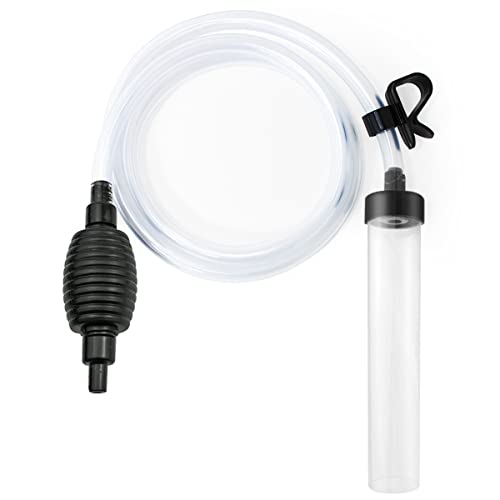
- Turtle tank gravel siphon cleaner
- Aquarium algae scraper for glass
- Turtle tank water change siphon
- Aquarium gravel vacuum kit
- Freshwater aquarium water test kit


Before You Start
Before beginning, gather all supplies and unplug any heaters or filters if safe to do so. Remove decorations carefully to avoid disturbing beneficial tank bacteria. Use a container to hold a portion of tank water for temporary transfer if needed. Estimate time: 45 to 90 minutes for a full cleaning of a medium-sized tank. Important cautions: never drain all tank water at once, avoid exposing your turtle to sudden temperature changes, and never use soap or household cleaners inside the tank.
Step-By-Step: How To Clean A Turtle Tank
- Turn off and unplug equipment, then disconnect any power filters as a safety measure.
- Use the turtle tank water change siphon to remove a partial water amount, typically 25–50%, into a bucket or receptacle.
- With the turtle tank gravel siphon cleaner, vacuum the substrate to remove hidden waste and uneaten food without disturbing the gravel too aggressively.
- Wipe the glass walls with the aquarium algae scraper for glass to remove algae films on both sides gently to avoid scratching.
- Rinse decorations or basking platforms in a separate bucket of tank water or fresh dechlorinated water, and scrub as needed with a soft brush.
- Refill the tank with dechlorinated water that matches the tank’s temperature. Reconnect filters and heaters; allow water to circulate and reach stable temperature before reintroducing the turtle.
- Recheck water chemistry with the freshwater aquarium water test kit, focusing on ammonia, nitrite, nitrate, and pH to ensure safe levels for the turtle.
- If needed, add a small amount of dechlorinator per label directions and monitor the water parameters over the next 24–48 hours.
- Return decorations and basking areas, then observe for normal activity and clear water in the following days.
- Establish a routine: perform regular partial changes, monitor filtration, and adjust cleaning frequency based on turtle behavior and water clarity.
- Document your routine so future cleanings stay consistent and efficient.
Troubleshooting
| Symptom | Likely Cause | Fix | Prevention |
|---|---|---|---|
| Cloudy water | Excess waste or bacteria bloom | Perform partial water change, clean substrate, verify filtration | Maintain regular cleaning schedule |
| Strong ammonia smell | Overfeeding or decaying debris | Reduce feeding, clean substrate, test water | Feed appropriate amounts, clean debris promptly |
| Algae growth on glass | Light exposure and nutrients | Scrape glass, reduce light exposure if possible | Limit light during day; remove excess nutrients |
| Tank temperature swings | Heater or filter issues | Check equipment and replace if faulty | Regular equipment maintenance |
Common Mistakes
- Over-cleaning the tank by removing too much water at once
- Using soap or household cleaners on tank surfaces
- Neglecting to dechlorinate new water
- Failing to test water parameters after cleaning
Tips For Best Results
- Maintain a consistent cleaning schedule to prevent sudden shifts in water quality.
- Vacuum the gravel gently to avoid removing beneficial bacteria tied to the substrate.
- Keep a small, dedicated container for dechlorinated water ready during partial changes.
- Record readings from the water test kit to track trends over weeks.
Call A Professional
Consider contacting a veterinarian or aquatic specialist if you notice ongoing poor water quality, persistent cloudy water despite cleaning, or signs of illness in the turtle such as lethargy, loss of appetite, or shell changes. Sudden behavior changes warrant professional evaluation.
FAQ
How often should I clean a turtle tank?
Perform a partial water change weekly and a deeper substrate clean every two to four weeks, depending on tank size and turtle activity.
Can I use tap water for the turtle tank after treating with a water conditioner?
Yes, use a reputable dechlorinator to neutralize chlorine and chloramines before returning water to the tank.
What tools help maintain tank cleanliness effectively?
Tools like a turtle tank gravel siphon cleaner, aquarium gravel vacuum kit, and aquarium algae scraper for glass are particularly helpful.
What should I test in the water regularly?
Test ammonia, nitrite, nitrate, and pH to ensure a safe environment for the turtle and to catch imbalances early.
Is a full tank drain necessary during cleaning?
No. Regular partial changes, substrate cleaning, and water conditioning typically suffice and minimize stress for the turtle.
Buying Guide
When selecting gear for cleaning a turtle tank, consider size, durability, and compatibility with reptile habitats. Key buying factors include tank size and water volume, noise level of filters, energy efficiency, control features on siphons and vacuums, and placement in the home. For instance, a compact freshwater setup benefits from a reliable water change siphon and a gravel vacuum kit that can handle varying substrate depths. Look for simple operation, easy maintenance, and clear instructions that fit daily routines. If space is limited, choose compact algae scrapers and siphons with efficient handles and extendable tubes. Finally, verify that the test kit covers the essential parameters—ammonia, nitrite, nitrate, and pH—and is easy to use for quick weekly checks.