Tempur-Pedic pillows, made from memory foam, require careful cleaning to preserve their shape and comfort. Proper cleaning helps remove oils, sweat, and odors without degrading the foam’s integrity. This guide provides practical steps and safe tools to refresh a memory foam pillow at home.
By following a structured approach, users can extend the life of their pillow while maintaining hygiene. The methods outlined here emphasize gentle cleaning, thorough rinsing, and air-drying to prevent mold and mildew.
Quick Answer
Best quick method: Spot-clean stains with a mild detergent and water, then rinse and air-dry completely. For deeper refresh, use a steam cleaner on a low setting and a memory foam–safe stain remover, then air-dry in a well-ventilated area.
What You’ll Need
- memory foam pillow cleaning brush
- vacuum cleaner with upholstery tool for pillows
- steam cleaner for pillows memory foam
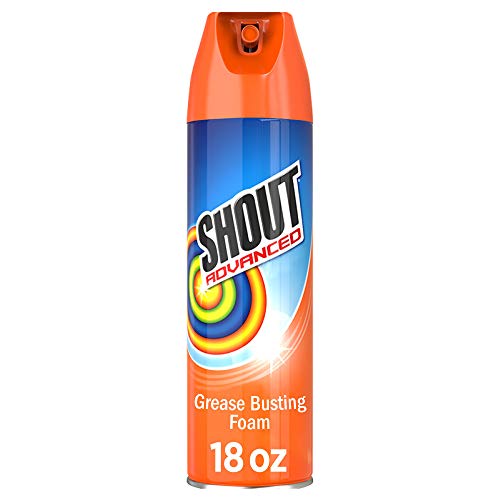
- stain remover spray for memory foam pillows
- washable delicate laundry bag for memory foam pillow


Before You Start
Before cleaning, remove the pillowcase and any removable cover. Check the pillow label for care instructions; most memory foam pillows are spot-clean only or require surface cleaning. Prepare a clean area and ensure good ventilation. Time estimate: 45–90 minutes for a full refresh, including drying. Important cautions: avoid soaking memory foam, never put the pillow in a washing machine or dryer unless the care label explicitly permits it, and keep away from high heat to prevent foam damage.
Step-By-Step: How To Clean A Tempur-Pedic Pillow
- Vacuum the pillow surface with the upholstery tool to remove loose dust and debris.
- Spot-treat stains using a memory foam–friendly stain remover spray; apply lightly and blot with a clean cloth.
- Prepare a mild cleaning solution with a small amount of gentle detergent mixed in water. Dip the memory foam pillow cleaning brush into the solution and gently scrub the stained area in a circular motion.
- Wipe away soap by dabbing with a clean, damp cloth. Avoid soaking the foam; use minimal moisture.
- For deeper refresh, use a steam cleaner on a low-heat setting held at a distance to lightly vaporize the surface. Do not saturate the foam.
- Rinse the surface by dabbing with a fresh, damp cloth to remove any remaining detergent or cleaner residue.
- Press the pillow gently to remove excess moisture. Do not twist or wring the foam.
- Place the pillow in a well-ventilated area or near a fan to air-dry completely. Avoid direct sunlight and high heat, which can damage memory foam.
- Once dry, reassemble the pillow with its cover or washable protective bag and return it to normal use.
- If odors persist after drying, repeat the cleaning process with a fresh stain remover spray and ensure thorough drying before use.
- Store the pillow in a clean environment and wash the removable cover regularly to maintain freshness.
Troubleshooting
| Symptom | Likely Cause | Fix | Prevention |
|---|---|---|---|
| Persistent odor | Residual oils or moisture | Re-clean with mild detergent and ensure complete drying | Air out after use; use a breathable pillow cover |
| Clumping or lumping foam after cleaning | Excess moisture or improper drying | Re-dry in a well-ventilated area until completely dry | Avoid over-wetting; pad and flip during drying |
| Discoloration on surface | Stain not fully treated | Spot-treat again with stain remover spray | Test cleaner on a hidden area first |
| Cover becomes damp but foam remains dry | Steam exposure or high humidity | Limit steam use near memory foam; dry thoroughly | Use a breathable cover |
Common Mistakes
- Soaking memory foam pillow during washing, which can damage the core
- Using aggressive cleaners or bleach that degrade foam integrity
- Ignoring thorough drying, leading to mold growth
- Using high heat in dryers or direct sun exposure
Tips For Best Results
- Spot-clean regularly to extend full-clean intervals and minimize moisture exposure
- Use a washable delicate laundry bag if you need to launder a pillow case or removable cover
- Air-dry in a shaded area with good airflow to speed up drying
- Test any cleaner on a small area first to ensure no discoloration
- Keep a routine cleaning schedule aligned with sleep quality goals
Call A Professional
Seek professional cleaning if the pillow was exposed to significant moisture, mold growth, or if cleaning attempts do not restore comfort. Stop cleaning and consult a specialist if you notice persistent staining, odd odors that return after drying, or foam breakdown.
FAQ
Can I machine-wash a memory foam Tempur-Pedic pillow?
Most memory foam pillows should not be machine-washed. Follow the care label; otherwise, surface cleaning and spot-treating are recommended.
Is steam cleaning safe for memory foam pillows?
Yes, but use a low-heat setting and avoid saturating the foam. Keep the steam away from one spot to prevent moisture buildup.
How long does it take for a memory foam pillow to dry?
Air-drying typically takes 6–24 hours depending on air flow and humidity. Do not use heat sources to speed this beyond safe limits.
What should I do about tough stains?
Use a memory foam–safe stain remover spray and blot, not rub. Repeat as needed and ensure complete drying afterward.
Buying Guide
When choosing a cleaning routine or products for a Tempur-Pedic memory foam pillow, consider factors like surface cleaning efficiency, moisture control, and foam safety. A good cleaning approach balances effective stain removal with minimal moisture exposure. For those who want a deeper refresh, leverage tools designed for delicate foam surfaces and fabrics. A well-chosen cleaning plan can extend pillow life and maintain hygiene without compromising comfort.
Key buying factors include size compatibility with your pillow, the aggressiveness of cleaning tools, and the compatibility of stain removers with memory foam. Noise levels of steamers or vacuums and the energy footprint of cleaning devices are practical considerations for regular use. Finally, ensure you have appropriate protective covers and a washable bag to simplify ongoing maintenance.