Silver rings can develop a dull, tarnished patina over time due to exposure to air, moisture, and oils. Regular cleaning helps restore their shine and protect the metal. The following step-by-step guide uses common silver-care tools and products to safely brighten a tarnished ring without damaging settings or delicate stones.
Readers will find practical methods that work with typical silver jewelry, including options for delicate finishes and everyday wear. The goal is to remove tarnish while preserving the ring’s original luster and integrity.
Quick Answer
Fast method: Use a silver ring cleaning solution or tarnish remover for silver jewelry dip, then buff with a jewelry polishing cloth. For safety and deeper cleaning, an ultrasonic cleaner in a dedicated silver jewelry cleaning kit can be used, followed by a soft-bristle brush for detailed areas.
What You’ll Need
- Silver jewelry cleaning kit ultrasonic cleaner
- Jewelry polishing cloth silver ring
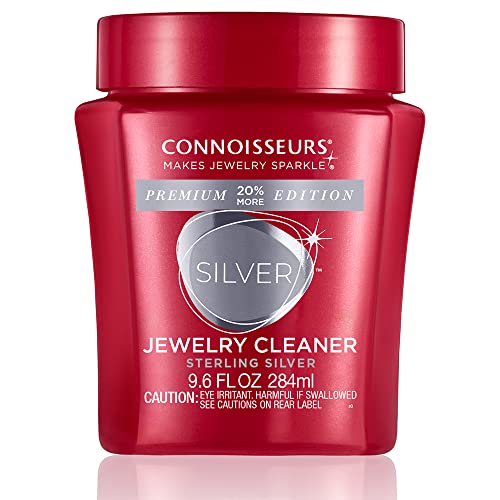
- Tarnish remover for silver jewelry dip
- Soft bristle jewelry cleaning brush set
- Silver ring cleaning solution concentrate spray


Before You Start
Prepare a clean workspace and lay out soft towels to prevent scratches. Remove any gemstones, if possible, or check that they are safe for chemical cleaners. Always read product labels for compatibility with your ring’s stones and settings. Time estimates vary: light tarnish may take only a few minutes, while heavy tarnish can require repeat steps. Safety note: never mix cleaning chemicals with household cleaners and always rinse thoroughly with clean water after use.
Step-By-Step: How To Clean A Tarnished Ring
- Inspect the ring for loose stones or damaged settings before cleaning. If anything looks suspicious, stop and consult a professional.
- Choose a cleaning method based on tarnish severity: light tarnish uses a polishing cloth; heavy tarnish uses a tarnish remover dip or a spray solution.
- If using a tarnish remover dip, submerge the ring briefly as directed on the product label—usually only a few seconds to a minute. Do not soak longer than recommended.
- Rinse the ring under lukewarm water to remove residue from the cleaner. Pat dry with a clean, soft cloth.
- For intricate areas or engravings, use a Soft bristle jewelry cleaning brush set to gently scrub away remaining tarnish without scratching.
- If you’re using a silver ring cleaning solution concentrate spray, spray lightly onto a soft cloth and wipe the ring, then buff to a shine with a clean area of the cloth.
- For stubborn spots, repeat the cleaning method once more, ensuring thorough rinsing and drying after each pass to prevent water spots.
- Finish with the Jewelry polishing cloth silver ring to restore luster and remove any remaining residues.
- Return the ring to its storage, preferably in a dry, anti-tarnish pouch or box to slow future tarnish buildup.
- Optional step: if you own a Silver Jewelry Cleaning Kit Ultrasonic Cleaner, follow the manufacturer’s instructions to run a gentle cleaning cycle, then dry and buff the ring afterward.
- Store and wear tips: avoid exposure to household chemicals, chlorine, and salted water; remove rings when applying lotions or cleaning products to prolong shine.
- Periodic maintenance: clean every few weeks for daily wear or monthly for occasional wear to maintain brightness.
Troubleshooting
| Symptom | Likely Cause | Fix | Prevention |
|---|---|---|---|
| Dull or patchy shine after cleaning | Residual cleaner or uneven polishing | Re-clean with a fresh cloth and re-buff evenly | Use consistent pressure and coverage |
| Ring emits a greenish tint after cleaning | Reaction with certain alloys or stones | Stop using the cleaner and rinse thoroughly; consult a professional | Test cleaner on a small area first |
| Stones appear loose or discolored | Cleaner contact with prongs or settings | Rinse thoroughly and dry; seek jeweler if looseness is observed | Avoid soaking stones that aren’t set securely |
| Patterned or etched finish fades | Over-aggressive cleaning | Switch to gentler methods and shorter cleaning intervals | Use recommended products for the finish |
Common Mistakes
- Using abrasive pads or rough cloths on delicate finishes
- Over-soaking or over-cleaning, which can remove plating or damage settings
- Cleaning with chlorine or saltwater environments that accelerate tarnish
- Ignoring manufacturer instructions for cleaners or dips
Tips For Best Results
- Test cleaners on a small, inconspicuous area before full application
- Keep a routine: clean rings every few weeks to prevent heavy buildup
- Use a dedicated polishing cloth only for silver to avoid cross-contamination with other metals
- Rinse and dry thoroughly after any cleaning method to prevent water spots
- Store in anti-tarnish pouches or boxes to slow tarnish between cleanings
Call A Professional
Consult a jeweler if the ring has loose stones, intricate filigree, or heavy plating wear. Seek professional help if tarnish reappears quickly after cleaning, or if you notice discoloration, cracks, or structural damage that cleaning cannot fix.
FAQ
Can I use toothpaste to clean a tarnished silver ring?
No. Toothpaste is abrasive and can scratch silver and delicate stones or engravings.
Is ultrasonic cleaning safe for all silver rings?
Ultrasonic cleaners are generally safe for solid silver rings, but stones, set side details, or delicate finishes may be damaged. Check manufacturer guidance or consult a jeweler.
How often should I clean a silver ring?
For daily wear, cleaning every few weeks helps maintain shine; for occasional wear, once a month or as needed is usually sufficient.
What should I avoid when cleaning a silver ring?
Avoid chlorine, household bleach, and acidic cleaners that can corrode silver or damage stones and settings.
Buying Guide
When choosing products to clean a tarnished ring, consider size, type of tarnish, and ring materials. Look for clear usage instructions and safety notes, especially for stones and settings. A versatile kit that includes an ultrasonic cleaner, soft bristle brush, a polishing cloth, and a dedicated tarnish remover provides flexible options for varying levels of tarnish and ring designs. If you primarily wear simple silver bands, a spray or dip with quick, gentle action paired with a cloth buffing step often delivers quick results. For ornate rings or pieces with gemstones, prioritize gentler cleaning agents and non-abrasive brushes to protect delicate details. Always follow product labels and test in an inconspicuous area first to ensure compatibility with your ring’s finish.