Keeping a stroller clean is essential for your child’s health and comfort. This guide provides practical, step-by-step instructions using common baby gear cleaning tools to remove dirt, stains, and odors from fabrics, frames, and wheels.
Readers will find a quick overview, a detailed step-by-step process, troubleshooting tips, and a buying guide to help choose the right cleaning tools for ongoing maintenance.
Quick Answer
Best first steps: remove accessories and detachable fabrics, wipe down the frame with a damp microfiber cloth, treat stains with a dedicated fabric cleaner spray, and finish with a gentle steam clean for deep cleaning. For stubborn stains, use a stroller seat upholstery stain remover.
What You’ll Need
- Stroller cleaning brush set
- Microfiber cloths for stroller cleaning
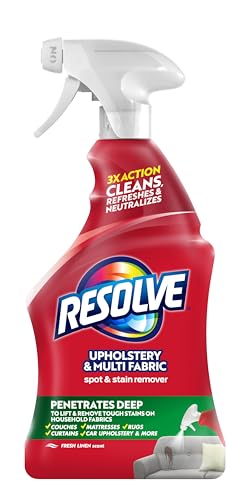
- Stroller fabric cleaner spray
- Stroller seat upholstery stain remover
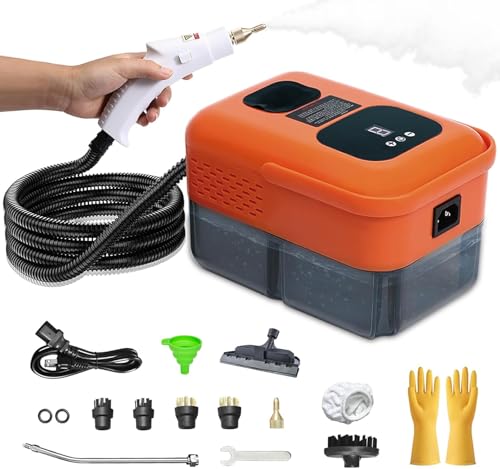
- Portable handheld steam cleaner for baby gear

Before You Start
Remove all removable fabric pieces and cushions according to the stroller’s care instructions. Check the user manual for washing allowances and maximum water exposure. Safety first: unplug any accessories from electronic components and ensure the stroller is cool and dry before cleaning. Time estimate: 20–40 minutes for a full clean, shorter for quick wipe-downs.
Step-By-Step: How To Clean A Stroller
- Detach textiles and accessories, such as seat covers, canopies, and cup holders, and set them aside for spot cleaning or washing per label directions.
- Dry brush loose dirt from the frame and wheels using the stroller cleaning brush set to avoid grinding grime into fabric.
- Wipe the frame, harness buckles, and plastic surfaces with a microfiber cloth dampened with water or a mild cleaner recommended by the stroller fabric cleaner spray.
- Spray stroller fabric cleaner spray on fabric surfaces and let it sit for the product’s recommended contact time, then blot with a clean microfiber cloth.
- For stains on fabric, apply a stroller seat upholstery stain remover directly to the area, scrub gently, and blot until the stain lifts.
- Use a portable handheld steam cleaner for baby gear on non-fabric plastic parts and seams to sanitize and loosen buildup; avoid saturating fabric fibers.
- Rinse lightly or wipe away any cleaner residue with a fresh microfiber cloth and let all parts air-dry completely before reassembling.
- Reattach textiles and cushions, ensuring zippers, seams, and fasteners align correctly. A final wipe-down with a clean cloth helps remove surface moisture.
- Inspect for missing or loose fasteners, then test the stroller in a safe area to confirm folding and braking work properly after cleaning.
- Store cleaned components in a dry place, ready for the next outing.
- Optionally treat fabrics again with a protective spray compatible with stroller fabrics to repel future spills.
- Scheduled maintenance: clean every 1–3 months or after exposure to mud, grass, or spills to extend the stroller’s life.
Troubleshooting
| Symptom | Likely Cause | Fix | Prevention |
|---|---|---|---|
| Soap residue left on fabric | Over-saturation or insufficient rinsing | Wipe with a clean damp cloth, repeat as needed | Use minimal cleaner; test on inconspicuous area first |
| Stains reappearing after cleaning | Deep-set stains or fabric wear | Apply fabric stain remover again; consider a professional cleaning if persists | Treat stains early and avoid letting spills set |
| Streaky frame or aluminum parts | Drying before all moisture is wiped away | Wipe with a dry microfiber after cleaning | Dry thoroughly; avoid leaving damp metal exposed |
| Fabric color fading | Harsh cleaners or heat exposure | Switch to milder cleaners; air-dry away from heat | Follow product instructions and spot-test first |
Common Mistakes
- Using heavy solvents or bleach on fabric; it can degrade fibers.
- Over-wetting fabrics, which can take long to dry and promote mold.
- Neglecting zippers and buckles, leading to rust or failure.
- Ignoring manual care instructions, risking warranty issues.
Keeping a routine of light cleanings between outings helps prevent buildup and keeps the stroller fresh for longer.
Tips For Best Results
- Test any cleaner on a small hidden area before full application to avoid color loss.
- Use a clean microfiber cloth for each section to prevent cross-contamination.
- Dry parts thoroughly to prevent mold growth, especially in seat folds and canopy seams.
- Schedule a quick wipe-down after wet outdoor use to minimize staining from dirt and moisture.
Call A Professional
Consider professional cleaning services if the fabric has extensive stains, odor issues persist after multiple cleanings, or if the stroller has delicate or branded fabrics requiring specialized care. Stop and consult a pro if fabric fibers appear frayed, or if the cleaning process causes color bleeding or fabric distortion.
FAQ
How often should I clean a stroller?
Regular maintenance after outdoor use and deep cleaning every 1–3 months helps keep it sanitary and functional.
Can I machine wash stroller fabrics?
Only if the fabric tag permits it; otherwise hand washing or spot cleaning is recommended.
Is steam cleaning safe for all stroller parts?
Steam is effective for sanitizing hard surfaces and some fabrics, but avoid over-wetting and check manufacturer guidance for specific parts.
What should I use on stubborn stains?
Apply a dedicated stroller fabric cleaner spray or stroller seat upholstery stain remover following label directions, then blot and re-clean if needed.
Buying Guide
When selecting cleaning tools for a stroller, consider size, pressure, and compatibility with fabrics. Key buying factors include:
- Stroller cleaning brush set for removing ground-in dirt from crevices and wheels.
- Microfiber cloths for stroller cleaning to lift grime without scratching surfaces.
- Stroller fabric cleaner spray for safe, even fabric treatment across multiple fabrics.
- Stroller seat upholstery stain remover for targeted stain lifting and color-safe results.
- Portable handheld steam cleaner for baby gear to sanitize hard surfaces without soaking fabrics.
Size and noise level matter for ease of use, especially with a wriggly child nearby. Look for cleaners that are specifically designed for baby gear and fabrics, and check that they are compatible with your stroller’s material. Energy efficiency is less critical here, but compact devices with quick heat-up times save time during busy mornings. Place cleaning tools within reach in a dedicated storage bin at home or in the car for on-the-go quick cleanups. Would you benefit from a single multi-tool or prefer specialized products for fabrics and frames? Consider your typical mess level and storage space to guide your choices.