Cleaning a secondhand couch restores comfort and appearance while protecting your family from allergens and dirt. This guide provides practical, safe steps and product options that are popular in American households. By following a structured approach, readers can refresh upholstery without damaging fabric.
Quick Answer
Begin with a gentle vacuum and spot test any cleaning method in an inconspicuous area. Use a upholstery steam cleaner for couches or portable fabric steamer for couch cleaning for deep cleaning, followed by targeted spot treatment with a carpet and upholstery cleaning spray with stain remover. Finish with upholstery cleaning brush scrub tool and microfiber cloths for couch cleaning and stain removal to lift moisture and fibers.
What You’ll Need
Gather tools and supplies to tackle dirt, odors, and stains effectively. The list below integrates common upholstery care gear that suits most fabrics.
- Upholstery steam cleaner for couches
- Portable fabric steamer for couch cleaning
- Carpet and upholstery cleaning spray with stain remover
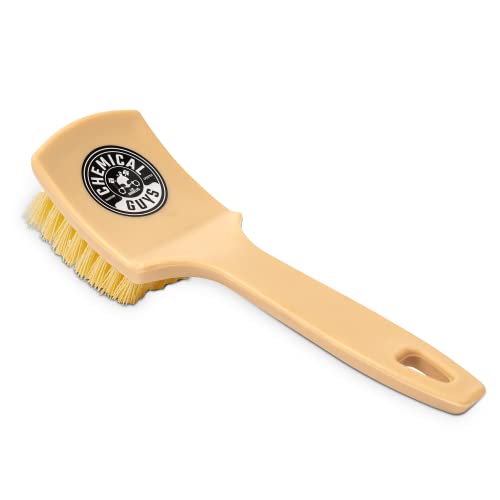
- Upholstery cleaning brush scrub tool
- Microfiber cloths for couch cleaning and stain removal


Before You Start
Before cleaning, check the couch tag for fabric care instructions (W, S, S/W, or X). Test any cleaner in a hidden area to ensure no color change or fiber damage. Vacuum thoroughly to remove loose dust and debris. Prepare a small workspace and allow ample drying time to prevent moisture buildup or mold. Estimate a cleaning session of 1–3 hours including drying time.
Step-By-Step: How To Clean A Secondhand Couch
- Inspect fabric and identify stains to prioritize treatment order.
- Vacuum the entire surface, including crevices, using a brush attachment to loosen dirt.
- Prepare a cleaning solution per fabric recommendations or use a carpet and upholstery cleaning spray with stain remover for spot cleaning.
- Apply cleaner to a microfiber cloth and blot stains gently; avoid overwetting the fabric.
- For deeper cleaning, use a upholstery steam cleaner for couches following the manufacturer’s guidelines.
- Gently scrub with the upholstery cleaning brush scrub tool on durable fabrics to lift grime.
- Rinse or wipe away residue with a clean, damp microfiber cloth to prevent soap buildup.
- Let the couch air dry in a well-ventilated area; use fans if needed to speed up drying.
- Inspect for remaining spots and repeat targeted treatments if necessary.
- Brush fibers lightly with a dry cloth to restore texture once dry.
- Place cushions back and return to normal use after complete drying.
- Maintain cleanliness with regular vacuuming and spot cleaning as needed.
Troubleshooting
| Symptom | Likely Cause | Fix | Prevention |
|---|---|---|---|
| Streaks after cleaning | Excess cleaner or over-wetting | Wipe with damp cloth and dry thoroughly | Use minimal cleaner and test first |
| Water stains or ring marks | Moisture trapped in cushions | Vacuum and dry with fans; avoid soaking | Drying time with good airflow |
| Fabric color fading | Strong chemical cleaner on delicate fabric | Spot test and switch to milder solution | Follow care tag and manufacturer guidance |
| Persistent odor | Dampness or mold growth | Thorough drying and odor-neutralizing spray | Improve ventilation during drying |
Common Mistakes
- Using hot water or harsh cleaners on delicate fabrics
- Over-wetting cushions, which slows drying and invites mildew
- Skipping a spot test, risking color bleed or fabric damage
- Neglecting to dry completely before using the couch again
Awareness of these pitfalls helps prevent costly damage and keeps upholstery looking newer longer.
Tips For Best Results
- Test any cleaner on a hidden area before full use to confirm colorfastness.
- Work in small sections to control moisture and monitor progress.
- Use a microfiber cloth for gentle, effective blotting and drying.
- Maintain regular vacuuming to minimize deep cleaning frequency.
- Schedule cleaning when indoor humidity is low to speed drying.
Call A Professional
Seek professional cleaning if the couch has embedded odors, persistent stains, or water damage that requires upholstery-specific treatments. Stop and contact a pro if any fabric tag restricts moisture or chemical use or if the furniture is of high-value and requires specialized care.
FAQ
Can I clean a secondhand couch with household cleaners?
Yes, but only if the fabric care tag allows it and you perform a spot test first to avoid damage.
Is steam cleaning safe for all fabrics?
Steam cleaning is effective on many fabrics but can be risky for some materials; always follow the manufacturer’s guidance and test first.
How long does it take a couch to dry after cleaning?
Drying times vary by fabric and climate but typically range from several hours to a full day.
What should I do about odors after cleaning?
Air out the room, use fans, and consider an odor-neutralizing spray once the upholstery is fully dry.
How often should I clean a secondhand couch?
Regular maintenance with vacuuming and spot cleaning as needed can extend intervals between deep cleanings.
Are microfiber fabrics more forgiving for cleaning?
Microfiber typically tolerates cleaning well, but always verify care instructions before cleaning.
Buying Guide
When selecting cleaning gear for a secondhand couch, consider size, function, and compatibility with common fabrics. Think about how often you plan to clean, the types of stains you expect, and the room layout where equipment will be stored. A versatile upholstery steam cleaner for couches paired with a compact portable fabric steamer for couch cleaning covers a broad range of tasks. Durable microfiber cloths for couch cleaning and stain removal and a reliable upholstery cleaning brush scrub tool help with spot treatment and texture restoration. For rapid spot fixes, a carpet and upholstery cleaning spray with stain remover is convenient and effective. Consider noise level, heat output, and ease of use, especially in small living spaces. Finally, verify that the tools are compatible with your couch materials and that you have adequate storage space for the kit.