Maintaining a healthy pond without a full water drain is a practical approach for koi ponds and garden ponds alike. This guide provides a step-by-step method using common tools to remove debris, manage sludge, and keep the ecosystem balanced. By following a careful plan, pond owners can keep a clear, vibrant water feature without stressing fish or disrupting beneficial bacteria.
Quick Answer
Clean a pond without draining by using surface skimmers and portable vacuums to remove debris, combined with gentle water circulation and targeted spot cleaning. Start with surface debris removal, then vacuum muck from the bottom in sections, and finish with aeration to restore oxygen levels after cleaning.
What You’ll Need
- Submersible pond vacuum kit for debris removal
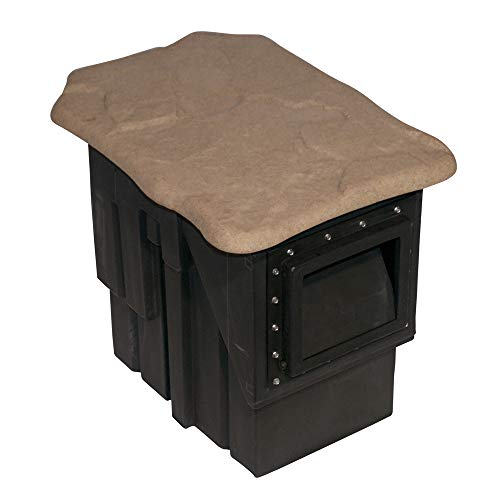
- Pond skimmer for surface debris removal
- Battery powered pond vacuum for koi pond
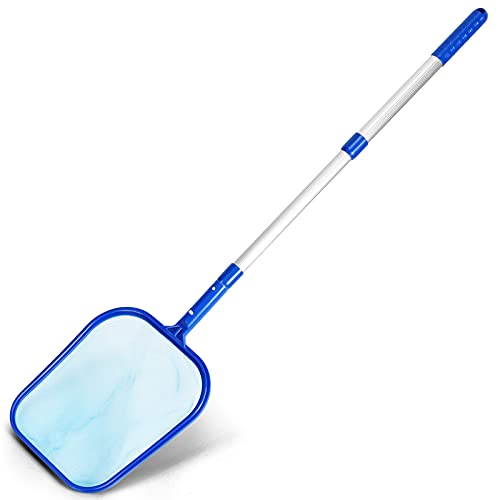
- Telescoping long reach pond net for cleaning
- Pond aerator diffuser kit for oxygenation

Before You Start
Assess the pond’s size, fish population, and plant coverage. Turn off and unplug any powered equipment before handling to avoid injury or electrical hazards. Clear nearby plants and walkways of trip hazards. If the pond is heavily stocked with koi, plan cleaning in short sessions to minimize stress. Expect a time range of 1–3 hours for a moderate debris removal, depending on pond size and water conditions.
Use a pond net or telescoping long reach pond net for the first pass to remove surface debris without disturbing the bottom. Ensure the pond vacuum is fully charged or has a charged battery, and check hoses and fittings for leaks. If water temperature is high, avoid sudden temperature changes that could stress fish.
Step-By-Step: How To Clean A Pond Without Draining It
- Inspect the pond and observe areas with heavy debris buildup, including leaves near the surface and settled sludge along the margins.
- Remove floating debris using a pond skimmer for surface debris removal. Scoop leaves, dead plants, and floating algae to prevent them from sinking and decomposing.
- Vacuum exposed muck with a submersible pond vacuum kit for debris removal. Work in small zones; avoid stirring up sediment in one large motion to reduce cloudiness.
- Target deep debris with a battery powered pond vacuum for koi pond if fish are present. Move slowly and keep the intake away from fish to prevent stress or injury.
- Clean edges and plants use the telescoping long reach pond net to gently sweep along the edge, and remove trapped debris around aquatic plants without pulling them out.
- Maintain circulation turn on the pond aerator diffuser kit for oxygenation during and after cleaning. Aeration supports beneficial bacteria and helps restore oxygen levels after disturbance.
- Re-check water clarity Observe how the water responds after the first passes. If murkiness persists, repeat surface clearing and a light vacuuming in stages to avoid over-disturbance.
- Monitor fish behavior watch for stress or erratic swimming. If koi show signs of distress, pause cleaning and allow a settling period with aeration before continuing.
- Top off and stabilize add dechlorinated water if needed and ensure filtration systems are running smoothly after cleaning rounds to re-stabilize the environment.
- Schedule regular maintenance set a routine for monthly surface skimming and quarterly deeper cleaning to maintain balance without draining.
- Document changes note debris types and amounts. This helps adjust future cleaning intensity and timing based on seasonal patterns.
Troubleshooting
| Symptom | Likely Cause | Fix | Prevention |
|---|---|---|---|
| Cloudy water after cleaning | Resuspended sediment | Limit vacuum depth; perform gentle passes; use aeration | Vacuum in smaller zones; avoid vigorous stirring |
| Low oxygen after cleaning | Aeration reduced during debris removal | Restart aerator diffuser kit and monitor | Keep a running aeration schedule during and after cleaning |
| Fish stress or gasping | Sudden temperature or filtration disruption | Pause cleaning, increase oxygenation, slowly resume | Plan cleaning during mild weather and avoid peak heat |
| Filtration clogging | Excess debris entering filter system | Clean skimmer and pre-filter regularly | Pre-filter debris and schedule routine checks |
Common Mistakes
- Over-vacuuming the same area, causing prolonged disruption
- Using strong currents that upset fish or plants
- Neglecting aeration, which can lead to low oxygen after cleaning
- Not dechlorinating water when topping off
- Venturing too far into sludge with coarse vacuums, stirring mud
Tips For Best Results
- Schedule regular surface skimming to reduce leaf accumulation and downstream sludge.
- Use a telescoping net to reach distant corners without stepping into the water.
- Pair debris removal with a calibrated aeration routine to protect beneficial bacteria.
- Keep a basic maintenance log noting debris amounts, cleaning dates, and fish health observations.
- During warm months, avoid lengthy cleanings all at once; break tasks into shorter sessions.
Call A Professional
If the pond shows persistent murkiness, persistent fish stress, or if electrical equipment seems unsafe or damaged, stop cleaning and consult a pond care professional. Signs to contact a pro include lingering ammonia spikes, persistent algae blooms despite aeration, or structural concerns with the pond liner or filtration system.
FAQ
Is it safe to use a pond vacuum while fish are in the pond?
Yes, when used gently and with proper intake control, and by avoiding direct suction on fish, a pond vacuum can remove debris without harming fish.
How often should I clean a pond without draining it?
In general, perform light skimming weekly and deeper vacuuming every 1–3 months, depending on debris load, weather, and fish population.
Can I clean the pond without turning off the filter?
It’s best to pause the filter briefly to prevent backflow and ensure debris isn’t forced through the system, then resume once cleaning is complete.
What size vacuum is right for my pond?
Choose a vacuum kit sized for your pond’s volume; smaller kits work for ornamental ponds, while larger, powerful units suit koi ponds with heavier sludge.
Do I need to remove plants before cleaning?
Not necessarily, but gently moving or shielding delicate plants helps prevent root disturbance and reduces debris snagging.
Should I add beneficial bacteria after cleaning?
Adding beneficial bacteria can help reestablish the biological filter after disturbances, but follow product instructions for compatibility.
What about winter cleaning?
In cold climates, avoid disruptive agitation during freezing temperatures; plan light, targeted cleanings when water is thawed and safe for equipment.
Buying Guide
When choosing tools to clean a pond without draining, consider size, function, and compatibility with your pond’s ecosystem. Key factors include:
- Size and capacity: Match vacuum and skimmer capacity to pond volume and debris load. Larger ponds benefit from higher suction and longer hoses.
- Noise level: Battery-powered and electric units vary; quieter options reduce stress for fish and neighbors.
- Energy efficiency: Look for energy-efficient motors and smart features that optimize power use during cleaning sessions.
- Controls and ergonomics: Easy-to-use handles, adjustable heights, and reliable battery life improve handling during sessions.
- Placement and accessibility: Consider hose length, net reach, and where debris will be collected to minimize frequent trips to edges.
- Maintenance needs: Check for filter cleaning frequency and availability of replacement parts to extend tool life.
- Multi-tool compatibility: If possible, select gear that can integrate a skimmer, vacuum, and aerator to streamline processes.
Would you benefit from a coordinated kit that includes a submersible pond vacuum, a surface skimmer, a battery-powered vacuum for koi ponds, a telescoping net, and an aerator diffuser? A single system can simplify maintenance and reduce clutter around the pond edge. Evaluate your pond’s specific needs, such as fish density, plant coverage, and seasonal debris, to choose the most efficient combination.