Keeping the interior of a kettle clean helps improve heat efficiency and extends the life of the appliance. This guide explains practical methods to remove mineral buildup and sanitize the inside of your kettle using common household tools and safe descaling products.
American households often rely on electric kettles for quick hot water. Regular interior cleaning prevents scale from affecting performance and taste. The steps below prioritize safety and effectiveness, with options for descalers and simple brushes designed for kettle interiors.
Quick Answer
Best quick method: use a descaler or citric acid solution, scrub with a long-handled interior brush, then rinse thoroughly. For stubborn buildup, repeat once and flush with fresh water until the water runs clear.
What You’ll Need
- Electric kettle interior cleaning brush long handle
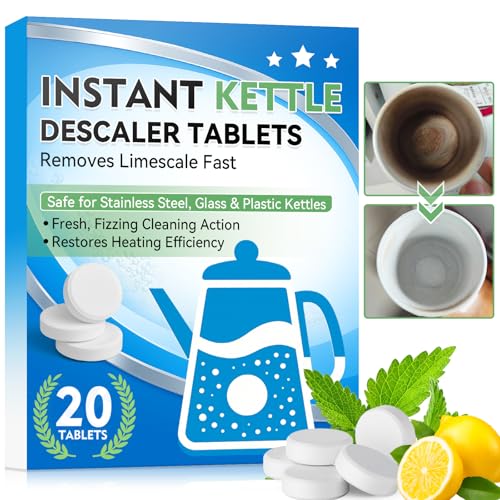
- Kettle descaler tablets for stainless steel kettles
- Citric acid kettle descaler powder
- Long neck bottle brush for kettles
- Kettle interior cleaning brush sponge kit


Before You Start
Unplug the kettle and ensure it is completely cool before beginning. Remove the lid and any accessories. Do a quick wipe of the exterior with a damp cloth to prevent accidental spills inside the electronics. Never immerse an electric kettle in water. For sensitive components, opt for descaling methods that stay within the interior cavity. Time estimates: 15–25 minutes for a standard mineral buildup cleaning.
Step-By-Step: How To Clean The Inside Of A Kettle
- Empty the kettle and inspect for any visible debris or mineral scale on the interior walls.
- Fill the kettle with a cleaning solution: either a descaler tablet dissolving in water or a citric acid solution (about two teaspoons per liter). Do not exceed the recommended concentration.
- Let the solution sit for 15–20 minutes to begin loosening mineral buildup; avoid vigorous agitation that could damage coatings.
- Swirl the solution gently with a long neck bottle brush for kettles or an electric kettle interior cleaning brush long handle to reach corners and the spout area.
- Rinse thoroughly with fresh water, repeating the rinse cycle until no cleaning taste or odor remains.
- For persistent scale, repeat the descaling process once more, then perform a final rinse with clean water.
- Brew a small amount of plain water to verify there is no chemical taste; discard this water.
- Dry the interior with a clean towel or allow the kettle to air dry with the lid off before next use.
Troubleshooting
| Symptom | Likely Cause | Fix | Prevention |
|---|---|---|---|
| Persistent white powdery residue | Undissolved descaler residue | Rinse thoroughly; run extra water cycles | Use proper ratios and dissolve completely |
| Rancid taste after cleaning | Residual cleaning solution | Run multiple fresh-water rinses | Rinse until no taste remains |
| Scale returns quickly after cleaning | Hard water minerals | Switch to a regular descaling schedule and consider a water filter | Descale every 1–3 months depending on usage |
| Interior surface appears corroded or damaged | Overly aggressive brushing or harsh chemicals | Cease use of abrasive brushes and switch to milder descalers | Follow product instructions and avoid metal scrapers |
Common Mistakes
- Using boiling-hot water with aggressive brushes that can damage coatings
- Overfilling the kettle with cleaning solution beyond recommended amounts
- Rinsing only once and leaving cleaning agents behind
- Neglecting to clean the spout and lid interior, where buildup can accumulate
Tips For Best Results
- Use citric acid kettle descaler powder for a gentle, food-safe option compatible with most kettles.
- Choose a long neck bottle brush for kettles to reach difficult corners and the spout.
- Maintain a regular cleaning schedule based on water hardness; hard water requires more frequent descaling.
- Always rinse with fresh water until the water is clear and free of any cleaning scent.
- Store cleaning tools dry to avoid mold buildup and odors inside the kettle.
Call A Professional
Consider contacting a professional if the kettle shows signs of internal damage, pitting, or coating deterioration, or if descaling does not improve performance after multiple attempts. Stop using the appliance if there is any unusual odor, smoke, or risk of electric shock.
FAQ
Can I use dish soap inside the kettle?
It is not recommended to use dish soap inside the kettle interior, as residues can affect water taste and safety. Use descalers or citric acid solutions designed for kettles.
How often should I descale a kettle?
Depends on water hardness and usage. In hard-water areas, descale every 1–3 months; in softer water, every 3–6 months is typical.
Is a descaler safe for stainless steel kettles?
Yes, many kettle descaler tablets are formulated for stainless steel interiors. Always follow product instructions and rinse thoroughly.
What about vinegar as a descaler?
Vinegar can be effective but may leave odor. If used, rinse thoroughly and consider a citric acid or dedicated descaler for best results.
Buying Guide
When choosing cleaning tools and descalers for a kettle, consider size, material compatibility, and ease of use. What works best varies by personal preference and water hardness. Do you want a simple powder descaler, or a ready-to-use tablet system?
Key buying factors:
- <bSize and fit: Tools should fit the interior profile of standard kettles and reach the spout.
- <bNoise level: Some brushes are quieter; choose non-squeaking designs for shared spaces.
- <bEnergy and water usage: Cleaning products should not require excess water or energy.
- <bControls and ease of use: Pre-measured descaler packets or dissolvable tablets are convenient.
- <bPlacement and storage: Keep cleaning tools near the kettle but away from heat sources.
In summary, a combination of a mild descaler (citric acid or tablets), and purpose-built interior brushes provides a safe and effective method to keep the kettle interior clean. The right tools reduce effort and improve consistency over time.