Cleaning a headstone requires care to preserve inscriptions and protect the stone from damage. This guide provides practical, step-by-step methods using common products and best practices for American cemeteries, churches, and private memorials.
Whether preserving a family plot or maintaining a public grave marker, following proper cleaning steps helps extend the life of bronze plaques and stone surfaces alike. The techniques here emphasize gentle cleaning, appropriate products, and safe handling to avoid scratching or fading delicate carvings.
Quick Answer
Most headstones can be cleaned with a soft brush, a non-abrasive cleaner, and water. Use mild solutions, avoid harsh chemicals, and never pressure-wash or scrub vigorously on engraved inscriptions. For stubborn stains, use a poultice or enzymatic spray designed for stone, and test a small area first.
What You’ll Need
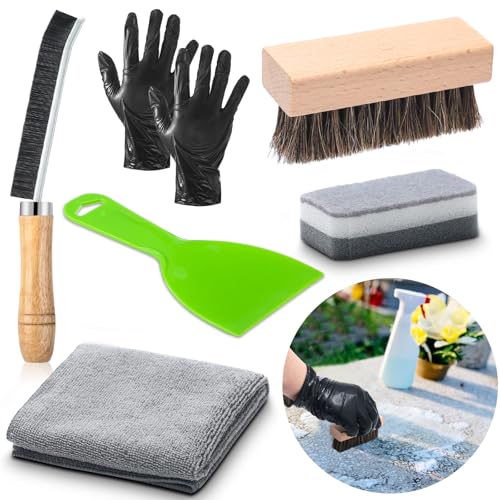
- Soft nylon headstone cleaning brush—gently lifts dirt without scratching
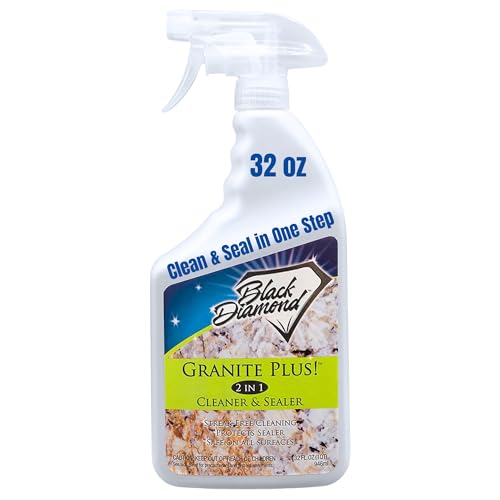
- Granite headstone cleaner non-abrasive solution—safe for stone surfaces
- Headstone cleaning kit cemetery with brush and spray bottle—all-in-one cleaning setup
- Masonry stone cleaning gel poultice for headstones—tackles stains without abrasion
- Enzymatic spray headstone cleaner marble limestone—breaks down organic buildup on marble and limestone

Before You Start
Assess the headstone’s condition before cleaning. If the stone is cracked, flaking, or the inscription is deeply eroded, avoid aggressive methods and consult a professional. Protect surrounding sections of the cemetery ground to keep cleaning solutions from seeping into soil. Time estimates vary by size and staining, typically 30–90 minutes for a thorough gentling; plan accordingly. Never use bleach, acidic cleaners, or power tools on historic or delicate markers.
Step-By-Step: How To Clean A Headstone
- Clear the area around the headstone; remove loose dirt with a soft brush without applying force to the stone.
- Rinse the surface with water to remove surface dust, starting from the top and moving downward.
- Apply a granite headstone cleaner non-abrasive solution or plain water to the stone, avoiding pooling in engraved areas.
- Gently scrub with the soft nylon headstone cleaning brush, focusing on engraved letters and recessed areas to lift dirt.
- If staining persists, apply a masonry stone cleaning gel poultice for headstones following the product directions; cover as directed and allow to work before gentle removal.
- Rinse thoroughly with clean water, ensuring all cleaning residues flow away from the inscription to prevent residue buildup.
- For organic deposits on marble or limestone, use an enzymatic spray headstone cleaner marble limestone and let it sit as recommended, then rinse completely.
- Inspect the stone; repeat gentle cleaning if necessary, but do not over-clean or scrub aggressively.
- Dry the surface with a clean, soft cloth or allow it to air-dry; avoid abrasive towels that could scratch the stone.
- Document the condition after cleaning and note any areas that may require professional conservation in the future.
- Store supplies safely and clean your tools after use to prevent cross-contamination to other markers.
Troubleshooting
| Symptom | Likely Cause | Fix | Prevention |
|---|---|---|---|
| White film after cleaning | Residue from cleaner or minerals in water | Rinse thoroughly; wipe with a damp cloth and re-rinse | Use distilled water when possible |
| Scratches on inscription | Using harsh brushes or abrasive cleaners | Switch to a softer brush and non-abrasive cleaner | Test in a small area first |
| Peeling paint or bronze plaque flaking | Overly aggressive cleaning or incompatible products | Cease cleaning and consult a conservator | Follow product instructions precisely |
| Persistent staining | Deep mineral or biological buildup | Apply poultice or enzymatic cleaner per instructions and repeat | Regular light cleanings to prevent buildup |
Common Mistakes
- Using harsh household cleaners or bleach on stone
- Scrubbing engraved letters with abrasive tools
- Cleaning in direct sunlight or in extreme heat
- Neglecting to test products on a small area first
- Pouring cleaner directly onto delicate bronze plates or gilded inscriptions
Tips For Best Results
- Always work from top to bottom to prevent dirty runoff from re-soiling cleaned areas.
- Use a soft nylon headstone cleaning brush and gentle strokes to protect inscriptions.
- Choose products labeled safe for the stone type (granite, marble, limestone) and avoid generic cleaners with acids.
- Document the headstone’s condition before and after cleaning for future reference.
- Maintain a small, dedicated set of cleaning tools to prevent cross-contamination between markers.
Call A Professional
Seek professional help if the headstone shows structural cracks, severe flaking, ghosting of inscriptions, or if the cemetery prohibits certain cleaning methods. Stop cleaning if there is any risk of damaging the stone or eroding inscriptions, and contact a conservator with experience in cemetery monuments.
FAQ
What should I clean a headstone with first?
Begin with clean water and a soft brush to remove surface dirt, then proceed with a non-abrasive cleaner if needed.
Can I use household cleaners on a headstone?
Avoid household cleaners, especially bleach or acidic products, which can damage stone and inscriptions.
Is it safe to clean granite, marble, and limestone the same way?
Yes, but tailor products to the stone type and avoid harsh abrasives; test in a small area first.
How often should I clean a headstone?
Light, regular cleanings are recommended to prevent buildup; do not over-clean.
What if the inscriptions are fading?
Fading may indicate wear or weathering; consult a professional conservator for assessment and potential preservation options.
What else should I know about cleaning headstones?
Follow cemetery rules, work slowly, and prioritize the stone’s history and inscription integrity above all else.
Buying Guide
When selecting cleaning products for headstones, consider size and material of the stone, environmental safety, and ease of use. For general maintenance, a basic kit with a soft brush, a non-abrasive cleaner, and a spray bottle covers most needs. For stubborn stains, an appropriate poultice or enzymatic cleaner designed for marble, limestone, or granite can help without causing damage. Units should be compact, travel-friendly, and clearly labeled for cemetery use. If the marker is bronze-plated or gilded, special care instructions and non-abrasive tools are essential. Always verify compatibility with local cemetery rules and the specific stone type before proceeding. Regular, gentle cleaning is preferable to aggressive scrubbing, which risks inscription loss.