Maintaining a clean goldfish tank is essential for the health of the fish and the clarity of the water. This practical guide walks beginners through safe, effective cleaning steps using common aquarium tools. Following a simple routine can prevent stress for goldfish and reduce water quality problems over time.
Quick Answer
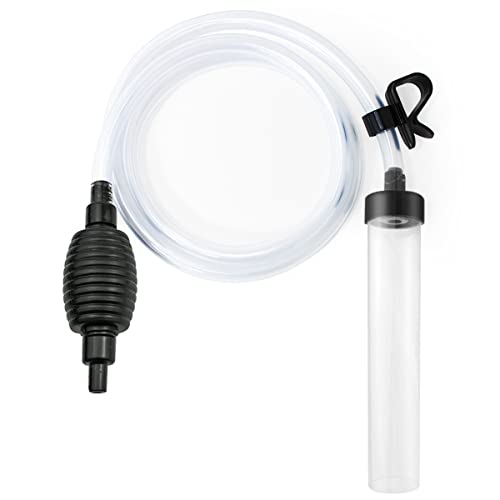
Regular partial water changes, gravel cleaning, and glass upkeep are the essentials. Use a 5-in-1 aquarium gravel vacuum siphon cleaner to remove debris, a magnetic algae scraper for glass aquarium to keep the glass clear, and a adjustable flow siphon gravel cleaner kit for fish tank to control cleaning intensity. Always test water with a freshwater aquarium water test kit with pH ammonia nitrite nitrate to guide changes.
What You’ll Need
- 5-in-1 aquarium gravel vacuum siphon cleaner
- Magnetic algae scraper for glass aquarium
- Adjustable flow siphon gravel cleaner kit for fish tank
- Freshwater aquarium water test kit with pH ammonia nitrite nitrate
- Replacement sponge filter media for hang-on back aquarium filter


Before You Start
Plan a cleaning session that fits a typical fish‑care routine. Gather all supplies before opening the tank to minimize stress for the goldfish. Always dechlorinate tap water before adding it back to the tank, and avoid drastic temperature changes. Reserve a separate container for temporarily housing fish if a full transfer is needed. A typical partial water change takes about 15–30 minutes depending on tank size.
Step-By-Step: How To Clean A Goldfish Tank
- Prepare a clean container filled with dechlorinated water matching the tank temperature to hold fish if needed.
- Use the magnetic algae scraper to remove algae from the glass surfaces, working in smooth, overlapping strokes.
- Turn off and remove any media or accessories that could be damaged by cleaning, such as lightweight decorations.
- Gently remove the goldfish and place it in the temporary container if a full water change is required.
- Attach the adjustable flow siphon gravel cleaner kit to the tank and start siphoning. Move the nozzle through the gravel to lift debris without disturbing the bed too aggressively.
- Vacuum the gravel in a slow, steady motion to pull waste into the siphon’s outlet while leaving enough beneficial bacteria in place.
- As you siphon, perform a partial water change, removing about 20–40% of the tank water. Replace with equal parts dechlorinated water, adjusted to match temperature.
- Clean the filter media as needed with tank water (not tap water) to maintain beneficial bacteria, and replace sponge filter media if clogged or degraded.
- Reinstall decor and media, ensure all equipment is functioning, and return the goldfish to the tank.
- Test the water parameters using the freshwater aquarium water test kit with pH ammonia nitrite nitrate and adjust water changes if any reading is out of range.
- Observe the fish for a short period after reintroduction to confirm normal behavior and stable water conditions.
Troubleshooting
| Symptom | Likely Cause | Fix | Prevention |
|---|---|---|---|
| Cloudy water | Excess uneaten food or debris | Siphon the substrate more thoroughly; reduce feeding | Feed small amounts; remove leftovers promptly |
| Aggressive algae growth | High nutrients; insufficient maintenance | Increase cleaning frequency; use algae scraper regularly | Schedule regular visible-cleaning days |
| Unstable pH or ammonia | Infrequent water changes; dirty filter | Perform consistent partial changes; clean filter media as needed | Test water weekly and adjust routine |
| Fish gasping at surface | Poor oxygen or high ammonia | Increase surface agitation; verify water quality and perform changes | Avoid overstocking; maintain proper filtration |
Common Mistakes
- Overfilling or underfilling the tank during water changes
- Using tap water without proper dechlorination
- Deep cleaning the gravel all at once, removing too much beneficial bacteria
- Neglecting filter maintenance, leading to poor biobalance
Tips For Best Results
- Schedule cleaning on the same day each week to build a routine.
- Test water parameters before and after cleaning to track changes.
- Use a gentle gravel cleaning technique to avoid disturbing fish or beneficial bacteria.
- Keep a backup supply of dechlorinated water for quick changes.
- Integrate the sponge filter media replacement gradually to maintain filtration stability.
Call A Professional
Consider a professional if: the fish show prolonged stress after cleaning, water tests reveal dangerous levels (high ammonia, nitrite, or inappropriate pH), or you notice persistent equipment malfunctions. Persistent issues can indicate underlying problems with filtration or tank setup that benefit from expert diagnosis.
FAQ
How often should I clean a goldfish tank?
Partial water changes and light cleaning should occur weekly, with deeper substrate cleaning monthly or as needed based on tank cleanliness and test results.
Can I use household cleaners on the tank?
No. Household cleaners are toxic to fish. Use aquarium-safe cleaners and ensure all tools are rinsed thoroughly in dechlorinated water.
Do I need to remove the fish during cleaning?
Not always, but it can reduce stress and make cleaning easier for beginners, especially for larger tanks or heavier debris cleaning.
What tests should I run regularly?
Test pH, ammonia, nitrite, and nitrate regularly to monitor water quality and adjust maintenance accordingly.
Is the sponge filter media replacement necessary?
Replace sponge media when it shows signs of wear or becomes clogged; do not replace all media at once to protect beneficial bacteria.
What temperature should the water be after changes?
Match the new water temperature to the tank water to avoid stressing the goldfish.
What if algae returns quickly after cleaning?
Increase cleaning frequency, inspect lighting duration, and ensure nutrients are not excessive in the tank.
Should I use dechlorinator every time I add water?
Yes. Always dechlorinate new water before adding it to the tank to protect fish and beneficial bacteria.
Buying Guide
When choosing gear for cleaning a goldfish tank, consider size, efficiency, and ease of use. Look at the combination of tools needed for routine maintenance and how they fit your tank size and fish load. Below are key factors to evaluate:
- Size and compatibility: Ensure tools fit your tank dimensions and substrate depth. A compact adjustable flow siphon gravel cleaner kit works well for small to medium tanks.
- Ease of use: Magnetic algae scrapers should glide smoothly across glass. User-friendly siphons help beginners avoid spills.
- Water testing capabilities: A reliable freshwater aquarium water test kit with pH ammonia nitrite nitrate provides essential feedback for maintenance decisions.
- Filtration maintenance: Replacement sponge filter media for hang-on back aquarium filter should be readily available to sustain biofiltration.
- Noise and energy: Consider pumps and filters with low energy consumption and quiet operation to reduce disruption.
- Placement and storage: Choose tools with compact storage and convenient reach for weekly sessions.
- Cost of ownership: Factor in the need to replace media and consumables periodically, not just the initial purchase.
In practice, keep a simple kit ready: a siphon cleaner, an algae scraper, a test kit, and spare sponge media. This setup supports a healthy goldfish environment without overwhelming beginners with complex gear.