Cleaning a flounder is a common task for anglers and home cooks who want pristine fillets with minimal waste. This guide covers a clear, step-by-step process and the right tools to make the job efficient and hygienic. Using proper technique helps preserve delicate flesh and reduces mess in the kitchen.
Quick Answer
Prepare your workspace, secure the fish, and use a flexible knife to remove fins and scales. Peel away the skin for clean fillets, trim any remaining bones, and rinse the fillets to finish. A non-slip cutting board helps prevent slips, while a fish scaler tool makes quick work of the scales.
What You’ll Need
- 8 inch flexible fillet knife stainless steel for fish cleaning
- Fish cleaning knife flexible blade with sheath
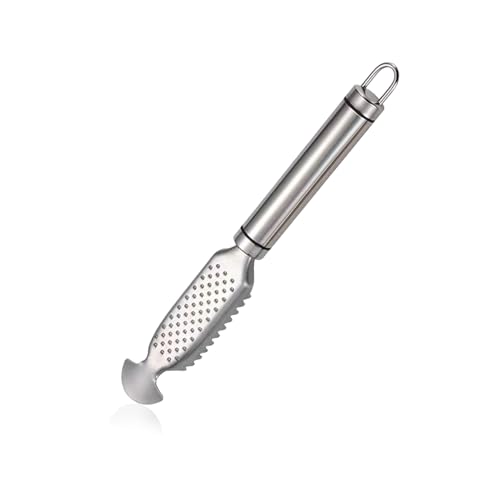
- Fish scaler tool stainless steel scale remover
- Boning knife for fish fillets flexible 6-7 inches
- Non-slip cutting board large for fish cleaning


Before You Start
Before cleaning, ensure the flounder is properly iced or kept cold. Set up a clean, sanitized workspace and have a trash container nearby. Always keep the blade sharp to reduce tearing of delicate flesh. If you’re new to fish cleaning, wear disposable gloves for hygiene and wash hands thoroughly after handling raw fish. Plan for about 15–25 minutes per fish, depending on size and experience.
Step-By-Step: How To Clean A Flounder For Fillets
- Place the flounder on the non-slip cutting board with the darker side up and the lighter side facing you.
- Use the fish scaler tool to remove all scales from both sides, starting at the tail and working toward the head.
- Rinse the fish briefly to wash away loose scales and slime, then pat dry with a clean towel.
- Make a shallow cut behind the gills to detach the head if you prefer to remove it before filleting.
- With the flexible fillet knife, insert the blade just behind the rib bones at the edge of the fillet and angle toward the backbone to separate the fillet from the skeleton.
- Work along the backbone, gently lifting the fillet away in long, smooth motions to minimize waste.
- Flip the fish and repeat on the other side, inspecting for pin bones with the boning knife and removing any visible bones.
- Trim any dark skin or remaining dark meat from the fillets, then rinse lightly again.
- Pat fillets dry and store on ice or in the refrigerator if not using immediately.
- For even cleaner portions, skin the fillets with a quick, shallow cut between flesh and skin and slide the knife along the skin’s edge toward the tip.
- Coat fillets lightly with a paper towel to remove moisture before cooking or freezing.
Troubleshooting
| Symptom | Likely Cause | Fix | Prevention |
|---|---|---|---|
| Fillets tear easily | Knife dull or wrong angle | Sharpen knife; angle blade correctly | Keep knives sharp; use proper cutting technique |
| Scales remain after cleaning | Scales not fully removed | Re-scrape with scaler or knife | Finish scales before filleting |
| Fillets stick to board | Board not sufficiently dry or oily | Dry board or lightly oil surface | Maintain dry, clean workspace |
| Bones left in fillet | Pin bones not located | Use boning knife to remove | Inspect fillets from both sides |
Common Mistakes To Avoid
- Using a dull knife that tears flesh
- Filleting too aggressively and wasting meat
- Forgetting to secure the fish on a non-slip surface
- Leaving scales or slime on the fillets
Sticking to a steady, controlled motion helps maintain fillet quality and yields better results with less effort.
Tips For Best Results
- Keep your non-slip cutting board clean and dry to prevent accidents.
- Always rinse fish briefly between steps to remove loose scales and slime.
- Use the flexible fillet knife for delicate, clean cuts along bones.
- Chill fillets after cleaning to maintain freshness, especially before freezing.
- Label and date fillets if freezing to track shelf life.
Call A Professional
Seek professional help if the fish is severely bruised or has a strong, off odor that persists after cleaning. If you’re unsure about the best technique for filleting a larger flounder or a very fresh catch, a local fishmonger can provide guidance or perform the cleaning for you.
FAQ
What is the best knife for filleting a flounder?
The 8 inch flexible fillet knife or a boning knife for fish fillets flexible 6-7 inches works well for delicate fillets.
Do you need to remove the skin from flounder fillets?
Skinning is optional; it depends on the recipe and preferred texture. Skin can be removed with a careful, shallow cut along the edge.
How do you remove pin bones from fillets?
Feel for small bones with fingers or tweezers and remove with a boning knife or kitchen tweezers.
Can I clean a flounder without a scaler?
Yes, but using a fish scaler tool stainless steel scale remover speeds up the process and reduces mess.
How should fillets be stored after cleaning?
Keep fillets on ice or in a refrigerator if used soon; for longer storage, freeze in airtight packaging.
Buying Guide
When shopping for tools to clean flounder, consider size, material, and ease of use. A flexible fillet knife with a thin, sharp blade enables precise cuts along bones. A boning knife helps remove small bones without damaging the fillet. A sturdy non-slip cutting board reduces accidents and keeps surfaces clean. A dedicated fish scaler tool speeds scale removal without bending or slipping. Look for stainless steel construction for longevity and easy cleaning. Finally, ensure the knife comes with a sheath for safe storage and transport.
Is the setup comfortable for your kitchen layout? Do you prefer a compact kit or a larger set with multiple blades? How often will you fillet fish—weekly meals or occasional catches? These factors influence your choice of tools and the right balance of price, durability, and ergonomics.