Maintaining a clean fishtank is essential for the health of its inhabitants and the overall aesthetics of the aquarium. This guide walks through practical steps, recommended tools, and best practices to keep water clear and fish thriving without unnecessary stress.
Readers will find actionable advice, a step-by-step process, and troubleshooting that addresses common issues like cloudy water or algae buildup. The approach emphasizes safety, proper timing, and the right combination of tools to achieve reliable results.
Quick Answer
Use an aquarium gravel vacuum siphon to remove debris from the substrate, paired with a magnetic algae scraper for glass surfaces. Test water regularly with an ammonia nitrite nitrate kit, perform partial water changes, and rinse filtration media as needed. Schedule routine cleanings to prevent buildup and keep parameters stable.
What You’ll Need
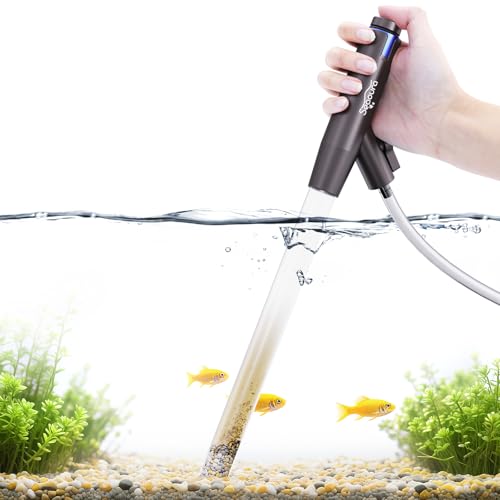
- Aquarium gravel vacuum siphon kit for fish tank cleaning
- Magnetic glass aquarium algae scraper for tank cleaning
- Aquarium siphon gravel cleaner set with adjustable flow
- Aquarium algae magnet cleaner replacement pads for glass tanks
- Ammonia nitrite nitrate test kit for aquariums

![QZQ Aquarium Gravel Cleaner [2025 Edition] Vacuum Fish Tank Vacuum Cleaner Tools for Aquarium Water Changer with Aquarium Thermometers Fish Net kit Use for Fish Tank Cleaning Gravel and Sand](https://m.media-amazon.com/images/I/51S+2N20RtL._SL500_.jpg)
Before You Start
Before diving in, consider the tank size, stock level, and substrate type. Prepare dechlorinated water for replacements and have a bucket dedicated to aquarium use. Important cautions include never changing too much water at once, avoiding rapid temperature shifts, and turning off all electrical equipment before cleaning.
Time estimates vary with tank size and cleanliness, typically ranging from 30 minutes for smaller setups to over an hour for larger or heavily dirty tanks.
Step-By-Step: How To Clean A Fishtank
- Turn off heaters and filters, then unplug electrical devices for safety.
- Put a siphon on the gravel vacuum and adjust the flow to start draining water into a bucket.
- Gently insert the vacuum into the substrate and slowly move it across the gravel to lift debris without disturbing beneficial bacteria.
- Use the algae scraper to remove algae from the glass surfaces, working in a pattern from corner to corner for full coverage.
- Test water with the ammonia nitrite nitrate kit to gauge the current levels before refilling.
- Refill the tank with dechlorinated water, matching temperature to avoid stress on fish.
- Rinse filter media in a bucket of tank water (not tap water) to preserve beneficial bacteria, then reassemble filters.
- Reconnect equipment and monitor fish for signs of stress during the first hours after cleaning.
- Schedule regular cleanings and water testing to maintain stable parameters and a healthy environment.
- Keep a routine to prevent buildup: weekly light maintenance or biweekly deeper cleanings as needed.
- Store cleaning tools in a dry area after use to prevent mold and contamination.
- Document water test results to track trends and trigger adjustments earlier rather than later.
Troubleshooting
| Symptom | Likely Cause | Fix | Prevention |
|---|---|---|---|
| Cloudy water | Excess waste or bacterial bloom | Perform a partial water change and test parameters | Maintain regular cleaning schedule |
| Persistent algae on glass | Excess nutrients or light exposure | Clean with algae magnet and reduce light duration | Monitor feeding and light schedule |
| Unusual fish behavior | Rapid changes in temperature or water parameters | Stabilize temperature, test for ammonia/nitrite/nitrate | Avoid overstocking and overfeeding |
| Filter clogs quickly | Excess debris in substrate | Clean gravel and rinse media, slow flow during clean | Shallow substrate, routine cleaning |
Common Mistakes
- Over-cleaning by removing too much water or disturbing beneficial bacteria
- Using tap water without proper dechlorination
- Rinsing all filter media with tank water at once, which can kill beneficial bacteria
- Neglecting regular water testing and parameter tracking
Keeping a calm, methodical approach helps maintain a healthy balance in the aquarium ecosystem.
Tips For Best Results
- Use an adjustable-flow gravel cleaner to control substrate disturbance while siphoning.
- Pair the algae scraper with replacement pads to maintain glass clarity without scratching surfaces.
- Schedule cleaning during routine maintenance days to stay consistent.
- Run a test kit weekly to identify trends before issues arise.
- Label cleaning tools and store them away from food preparation areas to avoid cross-contamination.
Call A Professional
Consider contacting a professional if: fish show sustained stress or abnormal behavior, there is persistent ammonia or nitrate spikes after multiple cleanings, or if DIY cleaning reveals structural tank issues (cracks, leaks) that require assessment.
FAQ
How often should I clean my fish tank?
Frequency depends on tank size, bioload, and substrate type, but a routine weekly or biweekly clean is common for small to medium setups.
Can I use plain tap water for water changes?
Only after treating with a dechlorinator to remove chlorine and chloramines.
What is the best tool for gravel cleaning?
Aquarium siphon gravel cleaner with adjustable flow is effective for removing debris with minimal disturbance.
How do I know if my water parameters are safe?
Regularly test for ammonia, nitrite, and nitrate; healthy ranges vary by species, so follow fish care guidelines for your specifics.
Buying Guide
When selecting tools and accessories for fish-tank cleaning, consider factors such as size, design, and compatibility with your setup. The key buying factors below help compare options and ensure a practical purchase:
- Gravel vacuum style — Choose a siphon with adjustable flow to control substrate disturbance and water removal.
- Algae control — Magnetic glass algae scrapers are convenient for front and side panels; replace pads as needed for consistent performance.
- Test kits — An ammonia nitrite nitrate test kit helps monitor water safety; look for easy-to-read color charts and accuracy.
- Compatibility — Ensure tools fit your tank dimensions, substrate type, and glass thickness to avoid inefficiency or damage.
- Ease of use — Ergonomic handles, clear flow indicators, and quick-connect fittings reduce maintenance time.
- Storage and organization — A compact kit with designated spaces for tools keeps cleanups smoother.
Additionally, consider your tank’s size and stocking level to determine whether you need a more robust siphon system or a smaller, user-friendly set. Think about your routine: a simple two-tool setup might suffice for a beginner tank, while a larger system benefits from a modular kit with multiple cleaning modes and spare parts.