Cleaning a fabric couch without a shampooer is achievable with common household tools and accessible cleaning products. This guide outlines practical steps, from prep to maintenance, to refresh your sofa while protecting fabric and color.
Quick Answer
Use a combination of vacuuming, targeted stain treatment, steam cleaning, and air-drying. Start with a thorough vacuum, apply a fabric-safe stain remover, lightly steam to lift dirt, and finish with a dry blot to remove moisture. Repeat as needed for persistent spots.
What You’ll Need
- Handheld upholstery steam cleaner for fabric sofa
- Portable fabric steam cleaner for couch
- Upholstery cleaning kit for fabric sofas with stain remover
- Vacuum with upholstery attachment for sofa cleaning
- Fabric stain remover spray for sofa with brush attachment

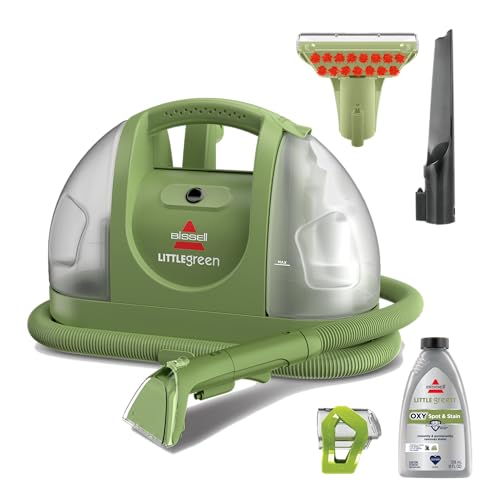

Before You Start
Assess fabric type and test a hidden area first to avoid discoloration. Most cotton, linen, and synthetic blends tolerate water-based cleansers, but silk, velvet, or rayon may require dry cleaning only. Never saturate cushions or soaking-wet fabrics; avoid bleach and harsh solvents. Plan for about 1–3 hours total including drying time, depending on fabric and room temperature.
Step-By-Step: How To Clean A Couch Without A Shampooer
- Clear and inspect the area. Remove cushions, lift throw blankets, and inspect for loose debris. This ensures you target dirt efficiently rather than grinding it into the fabric.
- Vacuum thoroughly. Use the upholstery attachment to remove dust, pet hair, and loose soil from the entire surface, including seams and cushions.
- Treat stains selectively. Apply a fabric stain remover spray to stained areas, following label directions. Gently work with a soft brush attachment or cloth, blotting rather than scrubbing to avoid fiber damage.
- Prepare for steam. If using a handheld upholstery steam cleaner or portable fabric steam cleaner, fill with distilled water as instructed. Avoid overfilling and test a small area first to gauge fabric response.
- Steam in controlled passes. Move the steamer slowly across the fabric, keeping a light distance to prevent over-wetting. Focus on high-traffic zones where soil accumulates.
- Blot and dry. After steaming, blot with a clean, absorbent cloth to lift moisture. You can also use fans or a dehumidifier to speed drying. Do not sit on the couch until fully dry.
- Reassess and repeat if needed. Once dry, check for lingering stains or odors. Repeat stain treatment or steam steps on stubborn spots, if necessary.
- Final refresh. Lightly vacuum again to lift loosened fibers and restore texture. Consider a fabric-safe deodorizer if odors persist.
Troubleshooting
| Symptom | Likely Cause | Fix | Prevention |
|---|---|---|---|
| Fabric remains damp after cleaning | Over-wetting or poor circulation | Increase air flow, use a fan, and re-blot with towels | Test cleaner on a hidden area; apply less liquid |
| Color transfer to cloth | Using harsh cleaners or over-saturating | Rinse with a damp cloth and blot; avoid strong solvents | Perform patch test before full application |
| Stains reappear after drying | Incomplete stain removal or pore penetration | Repeat stain treatment and allow thorough drying | Address stains promptly and follow label directions |
| Fabrics smell musty | Moisture trapped in cushions | Increase ventilation; use baking soda briefly then vacuum | Dry thoroughly; avoid leaving cushions damp |
Common Mistakes
- Over-wetting fabrics, which can cause stretching or mildew
- Using rough brushes that fray fibers
- Neglecting to test cleaners on hidden areas
- Blueting steam too close to delicate fabrics
Careful technique helps protect colorfastness and texture while achieving a cleaner couch.
Tips For Best Results
- Work in a well-ventilated area to speed up drying and reduce odor buildup.
- Choose a fabric-specific cleaner and follow label instructions for best outcomes.
- Use distilled water in steam cleaners to prevent mineral deposits on fabric.
- Lightly brush fiber during cleaning to lift nap and restore texture.
- Spot-clean stains promptly to prevent set-in marks.
Call A Professional
Signs that professional help is needed include persistent stains that resist home treatment, deep-set odors, fabric with nap distortion after cleaning, or if the couch is an ancient or delicate weave. Seek a professional if you notice dye bleed, color loss, or stiff fabric after attempts to clean it at home.
FAQ
Can I clean a couch with just water?
Yes, a mild water-based approach can work for light soils, but be mindful of fabric type and avoid overwetting.
Is steam cleaning safe for all fabrics?
Steam is safe for many synthetic fabrics and cotton blends, but delicate fabrics like silk or velvet may require specialized care.
How long does it take to dry after cleaning?
Drying times vary by fabric and room conditions, typically 2–6 hours; ensure good airflow.
Should I vacuum before or after steam cleaning?
Vacuum before to remove loose debris; vacuum again after to lift fibers and remove moisture-induced residue.
Can I use a fabric stain remover on all couches?
Check the product label for fabric compatibility and test on a hidden area first.
What if moisture damages cushions?
Place cushions in a dry, ventilated area and avoid direct sunlight. If mildew appears, consult a professional.
Is baking soda useful for odors?
Yes, a light sprinkle can help neutralize odors; vacuum after a short dwell time.
Buying Guide
When choosing cleaning tools for a couch, consider size, noise level, energy efficiency, controls, and placement in the room. A handheld upholstery steam cleaner is convenient for spot cleaning and small areas, while a portable fabric steam cleaner covers larger sections without requiring a full shampooer. Look for models with variable steam control to adapt to fabric type, and choose attachments that reach seams and cushions. An upholstery cleaning kit with stain remover can be a versatile companion for routine upkeep. For ongoing maintenance, a vacuum with an upholstery attachment is essential to remove surface soil before it becomes embedded. Finally, keep fabric stain remover sprays with a brush attachment handy for quick spot treatment between cleanings. By assessing fabric type, stain likelihood, and room layout, users can select a system that balances effectiveness, ease of use, and cost.