Chalk walls, whether used for daily notes or decorative murals, can accumulate dust, chalk residue, and smudges over time. Proper cleaning keeps the surface bright and ready for the next design. This guide provides practical, step-by-step instructions tailored for American homes and offices, using commonly available products.
Quick Answer
For most chalk walls, start with a soft microfiber cleaning cloth to wipe away loose chalk, then spray a dedicated chalkboard wall cleaner and wipe again. If stubborn residue remains, use a non-abrasive scrub sponge or a magic eraser pad, followed by thorough drying. Regular maintenance with these tools helps keep the surface matte and easy to rewrite on.
What You’ll Need
- Microfiber cleaning cloth for chalk wall
- Chalkboard wall cleaner spray
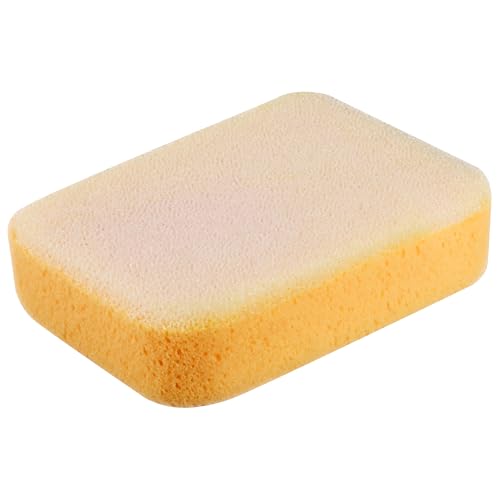
- Non-abrasive scrub sponge chalk wall
- Magic eraser cleaning pad for chalk walls
- Chalk residue removal brush for walls


Before You Start
Prepare the area with drop cloths or plastic sheeting to catch any drips. Ventilate the room if you use spray cleaners. Test cleaners in a small inconspicuous spot first to ensure no surface damage. Time estimate: 15–30 minutes for a typical chalk wall; larger walls may take longer. Do not use harsh solvents or stiff brushes that can degrade the chalkboard finish.
Step-By-Step: How To Clean A Chalk Wall
- Remove loose chalk by wiping the wall with a dry microfiber cloth, working from top to bottom to avoid spreading dust.
- Apply chalkboard wall cleaner spray according to the product instructions, misting evenly across the surface.
- Wipe with a clean microfiber cloth, turning the cloth frequently to lift residue rather than smear it.
- If chalk stains persist, dampen a non-abrasive scrub sponge chalk wall and gently rub the area in circular motions.
- For particularly stubborn marks, use a magic eraser cleaning pad for chalk walls with light pressure, again testing first in a hidden spot.
- Brush away any loosened residue with a chalk residue removal brush for walls, which helps break up fine particles before final wiping.
- Rinse the wall with a clean, slightly damp microfiber cloth to remove any cleaner traces.
- Dry the surface completely with a dry cloth to prevent ghosting and streaks.
- Inspect the wall under different lighting to ensure all residue is gone; repeat steps if necessary for dark marks.
- Recondition the surface with a light pass using a dry microfiber cloth to restore a fresh, matte finish.
- Reapply chalk as desired and note any areas that tend to hold residue for future cleaning focus.
- Store cleaners and tools in a ready-to-use kit for quick touch-ups and routine maintenance.
Troubleshooting
| Symptom | Likely Cause | Fix | Prevention |
|---|---|---|---|
| Persistent ghosting after cleaning | Old residue trapped in the surface pore | Repeat cleaning with cleaner spray and a soft sponge, then dry thoroughly | Clean regularly to prevent buildup |
| Streaks or water spots | Excess cleaner or uneven drying | Wipe with a clean, dry microfiber cloth in a consistent direction | Use minimal spray and dry promptly |
| Surface feels sticky after cleaning | Residual cleaner left behind | Rinse with a damp cloth and dry completely | Choose a cleaner labeled for chalkboard surfaces |
| Scratches appear after scrubbing | abrasiveness of the sponge | Switch to a softer sponge and avoid heavy rubbing | Use gentle tools and test first |
Common Mistakes
- Using abrasive pads or harsh solvents on chalk walls
- Over-wetting the surface, causing water damage or ghosting
- Cleaning in circular motions that spread chalk dust rather than lifting it
- Forgetting to dry the wall completely after cleaning
Tips For Best Results
- Establish a routine cleaning every few weeks to prevent heavy buildup.
- Dust first with a dry microfiber cloth before applying liquids.
- Keep a dedicated chalkboard cleaning kit handy: a spray, cloths, and a soft sponge.
- Test any new product on a hidden corner to check for surface compatibility.
- Label the wall with a small note about cleaning frequency to maintain consistency.
Call A Professional
Consider a professional if the chalk wall shows deep staining, peeling paint, or signs of moisture damage. Seek help if cleaning products cause discoloration or if the wall has undergone recent renovations and needs surface resealing. Stop and consult a pro if you notice bubbling, warping, or persistent odors that indicate underlying issues.
FAQ
What is the best first step to clean a chalk wall?
Begin with a dry microfiber cloth to lift loose chalk dust, then follow with a chalkboard wall cleaner spray.
Can I use a magic eraser on a chalk wall?
Yes, but test on a small area first and use light pressure to avoid surface abrasion.
How often should a chalk wall be cleaned?
Regular light cleaning weekly or biweekly helps prevent heavy buildup and ghosting.
Will cleaning wear down the chalkboard finish?
Using the recommended tools and mild cleaners minimizes wear; avoid abrasive materials.
What should I do if ghosting remains after cleaning?
Repeat the cleaning steps and consider a deeper clean with the chalk residue removal brush for walls before drying thoroughly.
Is it safe to use household cleaners on a chalk wall?
Prefer chalkboard-specific cleaners or mild, non-abrasive options to protect the finish.
Can I repaint a chalk wall?
Repainting is possible if the surface is prepared and sealed according to manufacturer instructions.
Should I seal the chalk wall after cleaning?
Sealing is not usually necessary, but follow manufacturer guidance if the surface was treated for durability.
Buying Guide
When choosing products for cleaning a chalk wall, consider size of the area, frequency of cleaning, and surface sensitivity. A compact kit including a microfiber cloth, chalkboard cleaner spray, and a soft sponge is ideal for most households. For larger or heavily used walls, you may want a second spray bottle and an extra cloth.
Size and coverage: Smaller walls benefit from standard spray bottles and 12–16 inch cloths, while large walls may require larger cloths and multiple wipes across zones. Noise level is usually not a concern for cleaning tools, but consider the ease of use and grip comfort. Energy efficiency applies to electronics; if you use a powered cleaning brush, opt for energy-efficient models with adjustable speeds.
Controls and placement: Store cleaners away from children and pets. Place the kit within easy reach near the chalk wall to encourage regular maintenance. Consider labeling products for quick recognition and avoiding cross-use with other surfaces.
Material compatibility: Ensure the selected cleaner is labeled as safe for chalkboard surfaces. Test all new products in a hidden corner to avoid damage. Always follow the product instructions for best results and safety.