Keeping a cat clean is less about frequent baths and more about regular grooming and gentle handling. This guide outlines practical methods that fit American households, focusing on safe tools and quick routines that reduce stress for both cat and owner.
Whether a cat tolerates brushing, bath time, or self-grooming, a calm, consistent approach helps maintain coat health, manage shedding, and minimize odors. The steps below emphasize practical techniques, correct tool use, and common-sense safety for everyday feline care.
Quick Answer
Best starting point: choose a grooming routine that matches the cat’s temperament—gentle brushing for sensitive cats, deshedding for heavy shedders, and occasional baths when necessary. Use the right tools, stay calm, and reward calm behavior to build a positive experience.
What You’ll Need
- Cat grooming brush silicone or dual-purpose silicone brush
- Deshedding tool for cats stainless steel
- Cat grooming glove
- Cat nail clippers stainless steel safety guard
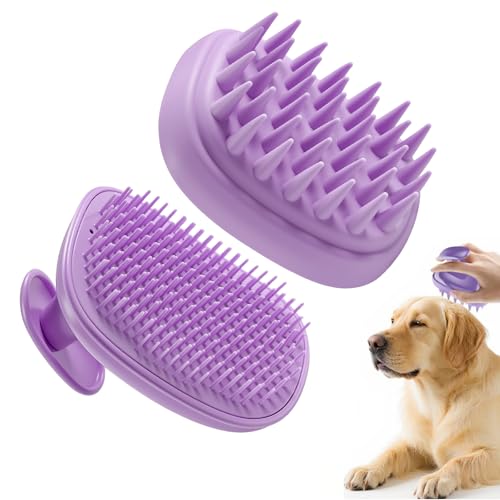
- Cat bath brush silicone


Before You Start
Assess the cat’s comfort with being handled. Begin with short sessions and gradually increase time. Choose a warm, quiet area away from distractions. Have treats handy to reinforce calm behavior. Never force a cat into a bath if it’s highly stressed; consider alternative grooming methods instead. Time estimates vary by cat; plan for 20–60 minutes per session over several days for best results.
Step-By-Step: How To Clean A Cat
- Choose the right tool based on coat type. Use a silicone grooming brush for regular brushing and a deshedding tool for shedding-prone areas.
- Prepare the cat’s environment. Have a towel nearby, a shallow basin or sink, and a non-slip mat to reduce slipping during bath or brush sessions.
- Begin with dry brushing. Gently stroke with the grooming brush to remove loose fur and reduce loose undercoat before introducing moisture.
- Target sensitive areas first. Focus on the back, sides, and base of the tail; avoid the face unless the cat remains calm.
- Use a deshedding approach when needed. For heavy shedding, work in the direction of hair growth with the stainless steel deshedding tool, then switch to a silicone brush for a finish.
- Introduce water only if necessary. If a bath is required, use warm water and a mild cat-safe shampoo. Wet the fur carefully, avoiding the face and ears, and lather gently.
- Rinse thoroughly. Ensure all soap is removed to prevent skin irritation; a shallow stream or cup-by-cup rinse works well for most cats.
- Dry and inspect. Gently blot with a towel, then use a low-heat pet dryer if the cat tolerates it. Check for skin issues or hotspots after drying.
- Groom post-bath. Finish with the silicone bath brush to remove residual loose fur and restore shine after drying.
- Clip nails if needed. Use stainless steel safety guard nail clippers to trim nails carefully, avoiding quick contact. Break the session into small steps if the cat resists.
- Practice regular maintenance. Establish a routine of weekly brushing, monthly deshedding as needed, and occasional baths only when necessary.
Troubleshooting
| Symptom | Likely Cause | Fix | Prevention |
|---|---|---|---|
| Cats flee during brushing | High stress, unfamiliar tool | Try a calmer approach with a grooming glove or shorter sessions | Introduce new tools gradually and pair with treats |
| Hair mats after brushing | Undercoat not fully brushed | Use a deshedding tool in sections | Brush in multiple passes with consistent pressure |
| Skin irritation after bath | Soap residue or sensitive skin | Rinse thoroughly and use cat-specific shampoo | Limit baths to when necessary |
| Nail clipping fights or panic | Fear or quick movement | Gradual desensitization and shorter clips | Use safety guard clippers and a calm helper |
| Wet fur not drying quickly | Thick coat or damp environment | Increase towel time and use a pet dryer on low heat | Dry thoroughly after baths |
Common Mistakes
- Over-bathing; frequent baths can dry the skin and coat
- Using human shampoo or products not designed for cats
- Pulling or forcing tools through knots, causing distress
- Neglecting to desensitize a cat to nail clipping or brushing
Tips For Best Results
- Schedule grooming during a calm part of the day and pair with treats
- Choose gloves or brushes that fit the cat’s preferences (some cats prefer soft textures)
- Work in short, positive sessions to build tolerance
- Always check for skin issues, parasites, or wounds during grooming
- Store tools in a clean, dry place to prevent contamination
Call A Professional
Consider a professional groomer or veterinarian if the cat shows persistent distress, severe matting, skin infections, or if brushing and simple grooming tools fail to maintain coat health. Seek immediate help for signs of dermatitis, open wounds, or aggressive behavior that endangers the cat or handler.
FAQ
Should I bathe my cat regularly?
Most cats do not require frequent baths; use brushing and occasional baths only when necessary.
What tools are best for a long-haired cat?
A deshedding tool for cats stainless steel and a silicone grooming brush work well alongside a grooming glove.
How do I trim my cat’s nails safely?
Use stainless steel safety guard nail clippers, trim small amounts, and avoid the quick; work in a quiet setting.
Can I use a human shampoo on my cat?
No. Use a shampoo formulated for cats to prevent skin irritation and toxicity concerns.
How often should I deshed my cat?
Deshedding frequency depends on coat length and shedding pattern; start with monthly sessions and adjust as needed.
Is a bath necessary for grooming?
Baths are optional for many cats; brushing and spot cleaning often suffice, with baths reserved for specific situations.
Buying Guide
When choosing cat grooming tools, consider size, noise, and ease of use. A silicone cat bath brush and silicone grooming brush are gentle on most coats, while a deshedding tool for cats stainless steel offers efficient fur removal on heavy shedders. A cat grooming glove provides a touch-friendly alternative for sensitive cats, and cat nail clippers stainless steel safety guard helps maintain nails safely. Assess how tools feel in hand, the cat’s temperament, and how the tools fit into daily routines. Compare models by grip comfort, bristle density, and ease of cleaning. Always prioritize cat safety, then convenience and durability.