Backpacks endure daily wear, spills, and stains from school, work, travel, and outdoor adventures. A clean backpack not only looks better but lasts longer and keeps items protected. This guide provides practical steps, safe products, and smart tips for effectively cleaning a wide range of fabrics.
Following a structured cleaning routine helps remove dirt, odors, and stains without damaging materials. The methods below rely on common tools and a focused approach using a backpack cleaning kit and related supplies designed for fabric care.
Quick Answer
For light cleaning, wipe with a microfiber cloth, spot-treat with an enzyme stain remover spray, then air dry. For tougher grime, use a soft bristle brush with a gentle detergent, place the backpack in a washing bag, and machine wash on a gentle cycle. Finish by patting dry and reassembling with a dry microfiber cloth to remove moisture.
What You’ll Need
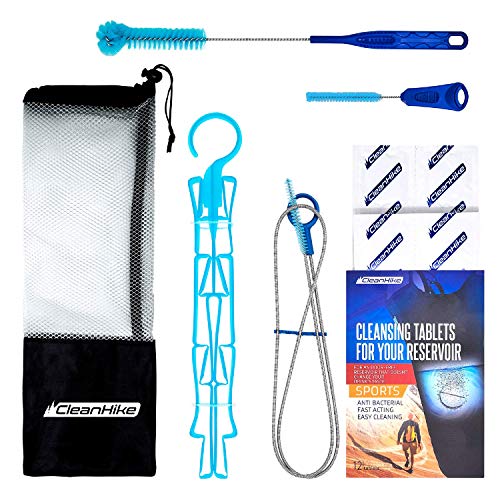
- Backpack cleaning kit with brush and stain remover
- Soft bristle cleaning brush for backpacks
- Backpack washing bag for machine washing
- Enzyme stain remover spray for backpacks fabric
- Microfiber cloth set for cleaning backpacks


Before You Start
Check the care label for fabric type and washing instructions. Empty all pockets and shake out debris. Close zippers and fasteners to prevent snagging. For delicate fabrics or leather accents, avoid machine washing and opt for spot cleaning instead. Test any cleaner on a small hidden area first to prevent color fading or damage. Time estimate: 30–60 minutes for spot cleaning; 1–2 hours if machine washing and air drying.
Step-By-Step: How To Clean A Backpack
- Empty the pack completely and turn it inside out to expose all surfaces.
- Vacuum or brush out loose dirt from seams, pockets, and the bottom panel using the soft bristle cleaning brush for backpacks.
- Spot-treat stains with the enzyme stain remover spray for backpacks fabric, following the product directions. Allow a few minutes for active ingredients to work.
- For surface grime, mix a mild solution of water and a gentle detergent. Use a microfiber cloth set for cleaning backpacks to wipe all exterior surfaces in circular motions.
- Use the backpack cleaning kit with brush and stain remover to gently scrub tough areas like the bottom panel and straps. Avoid aggressive scrubbing on delicate fabrics.
- If machine washing is appropriate, zip the pack into the backpack washing bag for machine washing, remove metal hardware if possible, and wash on a gentle cycle with cold water.
- Air dry the backpack completely in a well-ventilated area away from direct heat or sunlight, then reassemble pockets and clips.
- Finish with a light wipe using a fresh microfiber cloth to remove remaining moisture and odors.
Troubleshooting
| Symptom | Likely Cause | Fix | Prevention |
|---|---|---|---|
| Stains persist after treatment | Stubborn or set-in stain | Re-apply enzyme spray and allow longer dwell time; repeat cleaning | Treat stains promptly; gentle pre-treat |
| Color fading or fabric fraying | Harsh scrubbing or high heat | Switch to gentler brushing and air dry; avoid heat | Follow care label; test cleaners first |
| Odor remains | Moisture trapped inside pockets | Air out thoroughly; consider odor-neutralizing spray after drying | Air dry completely; keep pockets dry between uses |
| Zippers stuck or snagging | Dirt in zipper track | Clean with a damp cloth; lubricate lightly | Regular cleaning around zippers |
Common Mistakes
- Using hot water or harsh detergents on delicate fabrics.
- Overloading the washing bag or machine cycles that are not gentle.
- Skipping full drying, which can lead to mildew.
- Neglecting interior pockets where moisture hides.
Tips For Best Results
- Spot-clean regularly to reduce heavy cleaning needs.
- Use enzyme-based cleaners for organic stains like food or sweat.
- Choose a washing bag to protect zippers and hardware in machines.
- Rotate cleaning tasks to maintain fabric integrity over time.
- Label and organize pockets to prevent material wear from items shifting during wash.
Call A Professional
Seek professional help if the backpack has rare leather accents, waterproof coatings, or complex components like integrated electronics. Stop and consult a pro if:
- The fabric shows dramatic color bleed or dye transfer.
- There is a persistent mold or mildew problem after cleaning.
- Straps, buckles, or webbing are damaged or detached.
FAQ
Can I machine wash all backpacks?
Most fabric backpacks are machine washable with a gentle cycle in a washing bag, but always check the care label first.
What cleaner is best for stubborn stains?
Enzyme stain remover spray formulated for backpacks fabrics works well on organic stains like food and sweat.
How should I dry a cleaned backpack?
Air dry in a well-ventilated area away from direct heat or sunlight; avoid using a dryer to protect fabrics and hardware.
Can I clean straps and zippers effectively?
Yes—use a soft brush and microfiber cloth to clean straps and zippers; lubricate zippers sparingly if needed.
Is it safe to use household detergents?
Light, mild detergents are generally safe when diluted; avoid bleach or strong solvents unless the care label allows it.
Should I remove inserts or organizers before washing?
Yes, remove any removable inserts and wash them separately if recommended by the manufacturer.
What about odor after cleaning?
Ensure complete drying and consider a fabric-safe odor remover after cleaning if odors linger.
Buying Guide
Choosing the right gear makes backpack cleaning easier and more effective. Consider these factors to decide which items to add to your kit.
Size and compatibility: Ensure the cleaning kit and washing bag fit your backpack dimensions. Larger packs may require sturdier bags and bigger brushes.
Noise level and ease of use: Soft-bristle brushes reduce noise and fabric wear. Look for ergonomic handles and comfortable grips for extended use.
Energy efficiency: If using a washing machine, select energy-efficient cycles and cold-water options to minimize energy use.
Controls and portability: Simple, clearly labeled controls on cleaning tools help quick setup. Compact kits are easy to store when not in use.
Placement and storage: Store cleaning supplies in a dedicated bag or organizer to prevent cross-contamination with other items. Keep products in a cool, dry place.
Material compatibility: Validate that cleaners are safe for typical backpack fabrics (nylon, polyester, canvas) and any special coatings.
For practical cleaning results, segment gear for home batch cleaning versus on-the-go touch-ups. A well-chosen kit reduces repeated cleaning sessions and extends the life of the backpack.