Polyester couches are a popular choice for households seeking durability and easy care. With the right approach, most everyday stains and odors can be managed without professional help. This guide provides clear, practical steps using common cleaning tools and products designed for polyester fabric.
Quick Answer
For routine maintenance, blot spills immediately, use a mild upholstery cleaner spray for polyester fabric, and follow with a microfiber cleaning cloth. For tougher stains, apply a polyester couch fabric stain remover spray, then rinse with a damp cloth. Protect treated areas with a fabric protector spray for polyester couch after cleaning.
What You’ll Need
- Upholstery cleaner spray for polyester fabric
- Polyester couch fabric stain remover spray 16 oz
- Microfiber cleaning cloths for upholstered sofa
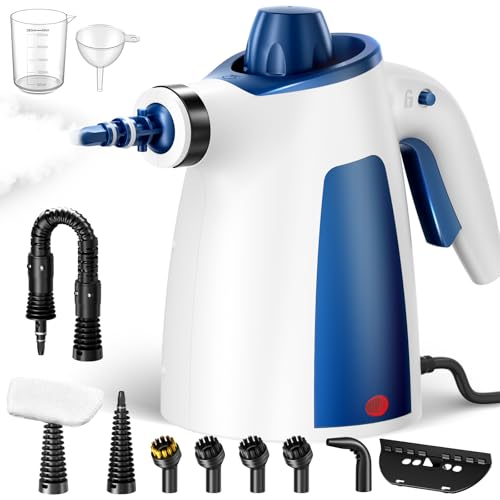
- Handheld steam cleaner for upholstery fabrics
- Fabric protector spray for polyester couch


Before You Start
Before cleaning, vacuum the couch thoroughly to remove loose dirt and debris from seams and cushions. Test any cleaner in an inconspicuous spot to check for discoloration or fabric softness. Work in a well-ventilated area and avoid soaking the fabric, which can lead to water spots or fiber swelling. Time estimates: 20–60 minutes for routine cleaning; up to 2 hours for deep stain removal and drying.
Caution: Do not use bleach or abrasive cleaners on polyester. Do not saturate cushions; excess moisture can lead to mold or mildew. If the couch includes foam cushions, avoid over-wetting the inner foam areas.
Step-By-Step: How To Clean A 100 Percent Polyester Couch
- Identify the stain type and select the appropriate cleaner: light spills can usually be tackled with an upholstery cleaner spray for polyester fabric, while heavy or greasy stains may require a polyester couch fabric stain remover spray 16 oz.
- Blot, don’t rub: use a clean microfiber cleaning cloth to blot the affected area from the outside in to prevent spreading.
- Apply cleaner lightly: spray the cleaner evenly onto a microfiber cloth, not directly onto the fabric, and test a small area first.
- Gently lift stains: for stubborn spots, dab with a cloth using small circular motions. Avoid scrubbing hard to prevent fiber damage.
- Rinse with a damp cloth: after treating a stain, wipe with a damp microfiber cloth to remove residual cleaner.
- Dry thoroughly: allow air to circulate or use a fan. Do not replace cushions until completely dry to prevent musty odors.
- Use a handheld steam cleaner (optional): for deeper cleaning, pass the steam head over the fabric at a safe distance, keeping motion slow to avoid over-wetting.
- Reassess and repeat if needed: if a stain remains, repeat the appropriate steps, ensuring the fabric dries fully between attempts.
- Apply fabric protector spray for polyester couch: once fully dry, apply a light, even coat to provide a barrier against future stains.
- Reassemble and finish: replace cushions and ensure there are no damp spots before use.
- Schedule regular upkeep: vacuum weekly and treat spots promptly to maintain cleanliness and extend the life of the fabric.
Troubleshooting
| Symptom | Likely Cause | Fix | Prevention |
|---|---|---|---|
| Stubborn stain remains after cleaning | Grease-based or deep-set stain | Apply stain remover spray and blot again; repeat once more | Address spills immediately; avoid rubbing solids into fabric |
| Fabric feels stiff after cleaning | Cleaner residue or over-wetting | Wipe with a damp cloth to remove residue and allow to dry fully | Use minimal cleaner and ensure complete drying |
| Color fading in treated areas | Cleaner or sun exposure | Rinse thoroughly and move couch away from direct sunlight | Test cleaners first; protect from prolonged sun |
| Persistent odor | Moisture retention or mold risk | Increase ventilation; use a deodorizing spray after drying | Dry thoroughly and consider fabric protector |
Common Mistakes
- Over-wetting the fabric, which can cause water stains or cushion swelling
- Rubbing stains aggressively, which can spread them or fray fibers
- Using harsh or incompatible cleaners that damage polyester
- Skipping the test spot, leading to color damage
Tips For Best Results
- Always blot spills immediately with a dry microfiber cloth to limit absorption
- Keep a small, dedicated set of microfiber cloths for upholstery to avoid cross-contamination
- Use a handheld steam cleaner sparingly and follow the fabric’s care instructions
- After cleaning, apply a fabric protector spray for polyester couch to help resist future stains
- Vacuum the couch weekly to remove dust and prevent buildup in seams
Call A Professional
Consider professional cleaning if:
- There are large or persistent stains that do not respond to home treatment
- The couch has structural issues or cushions are sagging after moisture exposure
- Fabric appears water-stained or the color is fading unevenly
Note: If the fabric is labeled delicate, or if you notice dye bleeding or shrinking after cleaning attempts, contacting a professional cleaning service is advised.
FAQ
Can I clean a polyester couch with warm water?
Yes, using a mild upholstery cleaner and warm water can be effective, but avoid soaking the fabric and rinse with a damp cloth.
Is fabric protector safe for pets?
Most fabric protectors are pet-safe once fully dry, but avoid direct pet contact with fresh spray until it cures.
How often should I deep-clean a polyester couch?
Every 6–12 months, depending on usage and household presence of pets or children.
What should I do if cleaning causes color transfer?
Stop immediately, blot, and test another inconspicuous area. If color transfer persists, seek professional help.
Is it OK to machine-wash cushions?
Most cushions are not machine-washable; check the care label and follow manufacturer guidance on spot cleaning and surface care.
Do I need to vacuum before cleaning?
Yes, vacuuming removes surface dust and debris, helping cleaners work more effectively.
Buying Guide
When choosing products and methods for cleaning a polyester couch, consider size, noise level, energy efficiency, controls, and placement in your home. For quick spot handling, a compact handheld steam cleaner can save time and energy. Look for an upholstery cleaner spray for polyester fabric that is gentle on fibers and compatible with microfiber cloths. A dedicated polyester couch fabric stain remover spray offers targeted stain power without over-wetting. After cleaning, a fabric protector spray for polyester couch helps maintain cleanliness between cleanings. Place a washable cover or throw when entertaining children or pets for extra protection. For households with sensitive occupants, opt for fragrance-free cleaners and test products thoroughly before wide use.