Looking for oversized padded floor mats that can cover more floor area and protect both floors and joints? This guide highlights five large, well-suited options for home gyms, playrooms, and nurseries. Each pick is best for a different scenario, from active kids’ play spaces to standing desks and home workouts. The selections emphasize thick padding, easy cleaning, and stable, non-slip surfaces to minimize slips and falls.
Buyer quick view: The table below compares five top picks by size, thickness, primary use, and ideal space. Use it to decide which mat best fits your room, activity, and safety priorities.
| Product | |||
|---|---|---|---|
| SEPARO Thick Baby Play Mat | 50″ x 50″ | 1.2″ | Infants and toddlers play spaces |
| Huloo Sleep Ultra Soft Baby Play Mat | 50″ x 50″ | 1.3″ | Quiet, cushioned crawling and tummy time |
| ILPEOD Baby Play Mat | 50″ x 50″ | 3.5 cm (~1.38″) | Deep cushioning for active play |
| ProsourceFit Puzzle Exercise Mat | 24″ x 24″ per tile (6 tiles = 24 sq ft) | 1/2″ | Home gym flooring and equipment protection |
| PAPAMAT 1.3″ Thick Mat | 50″ x 50″ | 1.3″ | Crawling, tummy time, and play spaces |
SEPARO Thick Baby Play Mat for Floor

The SEPARO mat offers a 50″ x 50″ play area with 1.2-inch thick padding. It is designed for babies and toddlers, providing a soft, non-slip surface that helps prevent falls during crawling and early walking. Best for: baby nurseries, playrooms, and general family spaces where a large, cushioned area is needed. Caution: The surface color and texture may vary by production lot, which can affect appearance slightly between batches.
Huloo Sleep Ultra Soft Baby Play Mat
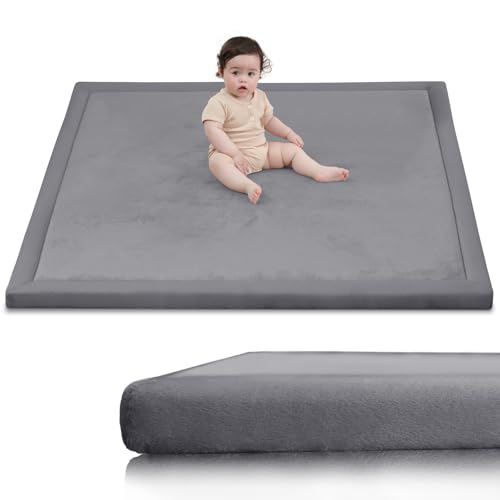
Huloo Sleep provides a 50″ x 50″ mat with 1.3-inch slow-rebound memory foam and a non-slip backing. It is OEKO-TEX certified, making it suitable for families seeking a non-toxic play surface. Best for: crawling and tummy time in quiet, comfortable spaces where sound dampening is valued. Limitation: It uses memory foam, which may require careful cleaning to maintain its plush feel over time.
ILPEOD Baby Play Mat

ILPEOD’s mat uses a 3.5 cm (about 1.38″) thick memory foam with a velvet surface for a soft, cushioned feel. It’s designed to be versatile for playrooms, nurseries, and living spaces, with a colorful option set and edge cushioning. Best for: spaces needing substantial impact absorption and a stylish look. Limitation: The thicker foam can take longer to dry after spills, so prompt cleaning is advised.
ProsourceFit Puzzle Exercise Mat
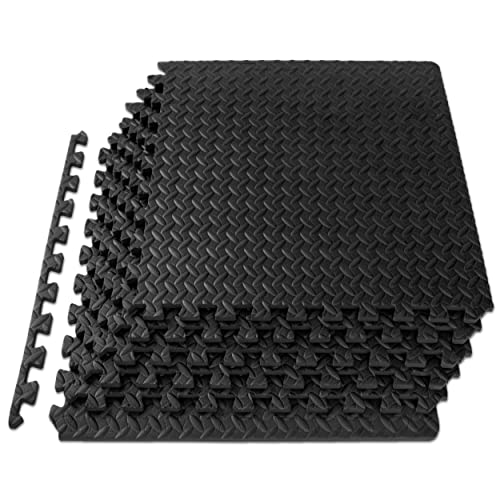
The ProsourceFit puzzle tiles form a 24 sq ft floor area with ½-inch thick EVA foam. They resist moisture and are easy to clean, making them suitable for home gyms, garages, or play areas. Best for: smaller home workout zones where a modular floor covering that’s easy to install is desired. Caution: Color and texture may vary slightly by batch, and very uneven subfloors can impact tile alignment on installation.
PAPAMAT 1.3″ Thick Baby Floor Mat

PAPAMAT offers a 50″ x 50″ mat with a 1.3″ padding, featuring anti-slip backing and OEKO-TEX/CERTI-PUR certified materials. Best for: long sessions of crawling, sitting, and baby-led activities where a thick, safe surface is important. Limitation: The fabric and memory foam combination may require regular spot-cleaning to maintain its plush feel.
Buying Guide
What to consider when choosing large padded floor mats
- Room size and layout: Measure floor space to determine whether single large mats or a modular tile system best fits your area.
- Thickness and padding: Thicker mats offer better cushioning for joints and falls, but may be heavier and slower to dry after spills.
- Surface material and hygiene: Look for non-toxic, easy-to-clean surfaces, especially for baby and toddler spaces.
- Non-slip backing or interlocking design: Essential for safety on hard floors; consider mats with moisture resistance for easy cleaning.
- Durability and maintenance: Evaluate whether the mat resists tearing, fading, and denting under active use or heavy furniture.
- Portability and storage: Foldable or fold-flat designs facilitate transport and storage when not in use.
- Intended use: Gym workouts, baby playtime, or multi-purpose family spaces can guide material choice and thickness.
FAQ
- What thickness is best for baby play areas? Generally, 1.0–1.5 inches provides good cushioning for crawling and falls.
- Are these mats easy to clean? Most are water- or moisture-resistant and wipe-clean; some may require spot cleaning for stains.
- Can mats cover uneven floors? Interlocking tiles typically adapt better to irregular subfloors than single-piece mats.
- Is thicker always better? Not always; consider room use, weight, and ability to move the mat when choosing thickness.
- Do mats affect noise in a room? Many mats dampen sound and reduce footsteps on hard floors, which is helpful in playrooms.
- Are the materials safe for babies and kids? Look for OEKO-TEX, CertiPUR-US, or similar certifications listed by the manufacturer.