Steam cleaning is a powerful way to refresh fabrics and surfaces, but not everyone has a dedicated steamer. This guide shows practical, safe methods to achieve similar results using common household tools and simple steps. By leveraging everyday devices and a careful approach, you can lift wrinkles, sanitize fabrics, and refresh upholstery without a steam cleaner.
Whether you’re tackling clothes, curtains, or hard surfaces, the methods below emphasize materials you likely already own. The aim is to provide clear, actionable instructions that lead to solid results without specialized equipment.
Quick Answer
Use a garment iron with steam function or a handheld fabric iron with spray mist combined with hot water, a kettle for steaming, and microfiber cloths. For larger areas, employ a steam-cleaning shortcut tool set (mop pad + spray bottle + cloths) to replicate steam flow. Work in sections, keep surfaces damp, and allow air to dry fully.
What You’ll Need
- Garment iron with steam function
- Handheld fabric iron with spray mist
- Electric kettle for steam cleaning with spray
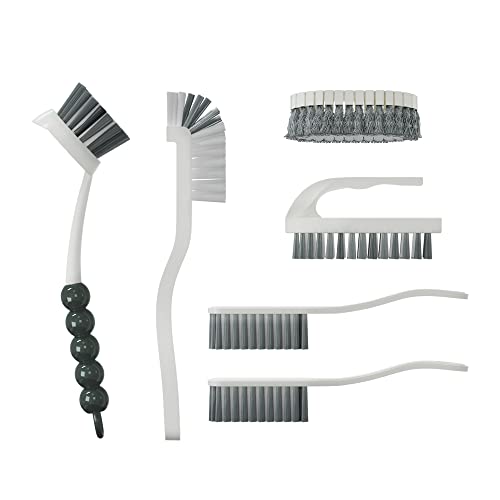
- Microfiber cleaning cloths and scrub brush set
- Steam cleaning alternative tool set (mop pad + spray bottle + cloths)


Before You Start
Assess the fabric or surface to avoid damage. Always test a small hidden area first. For delicate fabrics, use the lowest heat setting and gentler mist. Keep hot devices away from water spills and avoid over-wetting upholstery. Plan a cleanup with time for drying, especially in humid or poorly ventilated spaces. Important safety note: never leave hot irons unattended and unplug when not in use.
Step-By-Step: How To Steam Clean Without A Steamer
- Set up your work area with good ventilation and a clear path for drying. Place a protective cloth or towel under fabrics to catch moisture.
- Fill the kettle with clean water and bring it to a steady steam. Use the steam cautiously, directing it at fabric sections from a short distance.
- For clothing or curtains, use a garment iron with steam function to lift wrinkles. Move slowly in straight, even strokes, lifting slightly at the end of each pass.
- When working with upholstery or larger surfaces, combine steam with a handheld fabric iron with spray mist. Mist lightly, then press and glide to relax fibers.
- Dampen a microfiber cloth and wipe surfaces after steaming to remove loosened dirt or residue. For stubborn spots, use a soft scrub brush set to a gentle touch.
- If you need more controlled steam, use the electric kettle for steam cleaning with spray. Direct the nozzle parallel to the surface and sweep in overlapping motions.
- For broad areas like curtains or sofas, attach a steam cleaning alternative tool set (mop pad + spray bottle + cloths) to distribute moisture evenly and finish with a cloth wipe for a smooth surface.
- Allow treated fabrics and surfaces to air dry completely. Avoid heavy traffic until they are dry to prevent re-wrinkling or staining.
- Inspect for any missed spots. Reapply steam and wipe as needed, focusing on corners and folds where dust accumulates.
- Store tools safely and unplug hot devices once cooled. Keep sensitive fabrics away from heat sources to prevent shine or scorch marks.
- For delicate materials, repeat in short, moderate sessions rather than one long pass to minimize stress on fibers.
Troubleshooting
| Symptom | Likely Cause | Fix | Prevention |
|---|---|---|---|
| Water spotting on fabric | Excess moisture or immediate contact with cold surface | Wipe gently with cloth, let dry before use | Keep a light mist; test fabric first |
| Wrinkles not releasing | Low heat or insufficient steam | Increase heat setting gradually or apply steam longer | Use proper technique and avoid over-wetting |
| Shiny or scorched areas | Direct contact with hot iron on delicate fabric | Use parchment paper or a thin cloth as barrier | Always test first and use lower heat |
| Cloth or upholstery remains damp | Insufficient airflow or high humidity | Open windows or use a fan, extend drying time | Dry in a well-ventilated space |
Common Mistakes
- Using too much water or steam on delicate fabrics, causing staining or warping.
- Holding the iron too close or staying in one spot, which can scorch or shine fibers.
- Rushing the process on large areas, leading to uneven results.
- Neglecting to test a hidden area before full treatment.
Keeping a steady pace, short passes, and testing first help reduce common issues and improve outcomes.
Tips For Best Results
- Always start with the coolest setting and increase gradually as needed.
- Use microfiber cloths to absorb moisture and lift dirt when finishing each section.
- Combine steam with light scrubbing for stubborn grime on hard surfaces.
- Ventilate the area to speed up drying and reduce musty odors.
- Label and organize tools so you can replicate techniques across fabrics.
Call A Professional
Consider professional help if fabrics are priceless, heavily stained, or labeled as not machine-care friendly. Stop and seek help if you notice color bleeding, fabric distortion, or heat damage signs that you cannot safely reverse.
FAQ
Is it safe to steam clean upholstery without a steamer?
Yes, using hot water methods and careful technique can refresh upholstery, but test a hidden area first and use moderate moisture.
Can I use plain water instead of distilled water for steaming?
Tap water is usually fine, but distilled water reduces mineral deposits on devices and fabrics over time.
What fabrics should I avoid when using steam methods?
Delicate materials like silk or velvet may be sensitive to heat; test first and use the lowest effective setting.
How long does it take for fabrics to dry after steaming?
Dry times vary by fabric and room conditions; plan for 30 minutes to several hours in humid spaces.
Can I use the same tools for both clothes and upholstery?
Yes, with different settings and care, but ensure cloths and brushes are appropriate for each surface and free of residue.
Do I need special cleaners when steaming?
Generally not; water is often sufficient, but mild cleaners can be used on stubborn spots if fabric care labels permit.
Should I steam clean outdoors?
Outdoor steaming can help control indoor moisture, but weather and wind conditions should be considered for safety and drying efficiency.
Buying Guide
When choosing tools to substitute a steamer, consider size, noise, energy use, and ease of use. A garment iron with steam function provides targeted wrinkle removal for clothes, while a handheld fabric iron with spray mist offers flexibility for spot treatments. A compact electric kettle for steam cleaning with spray can generate bursts of steam for quick refreshes, though it requires careful handling around fabrics. For larger areas, a steam cleaning alternative tool set (mop pad + spray bottle + cloths) helps distribute moisture evenly. Finally, a microfiber cleaning cloths and scrub brush set complements each method by finishing surfaces clean and dry. Evaluate noise, heat response, and storage needs, then match tools to your typical tasks to maximize results without a dedicated steamer. Consider a versatile kit that covers clothes, curtains, and upholstery for the best value and flexibility.