Pillows accumulate spills, sweat, and oils over time, affecting comfort and appearance. Spot cleaning offers a quick, gentle way to refresh them between full washes. This guide outlines practical steps using common household tools and safe cleaners to protect fabric and maintain pillow integrity.
A well-executed spot clean can extend a pillow’s life and keep it looking fresh without the need for full immersion washing. The following sections provide concise, actionable instructions tailored for American households, with safety notes and practical tips to handle typical fabric types and stains.
Quick Answer
Care for most pillows by blotting to lift moisture, applying a mild stain remover or enzyme cleaner appropriate for delicate fabrics, and using a soft brush or microfiber cloth to agitate gently. Rinse or blot with clean water, then air dry completely before use.
What You’ll Need
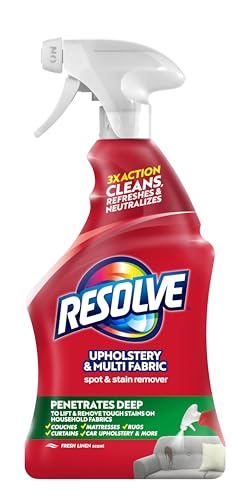
- fabric stain remover spray for pillows
- microfiber cleaning cloth for spot cleaning upholstery
- soft bristle upholstery cleaning brush for pillows
- spray bottle for spot cleaning fabric
- enzyme cleaner for delicate fabrics pillow


Before You Start
Check pillow care labels for washing instructions and fabric type. Spot cleaning is typically safe for most cotton, polyester, and blends, but delicate fabrics may require gentler products like enzyme cleaners designed for delicate fibers. Test any cleaner on a hidden area first and allow to dry completely before proceeding. Plan for patience: drying can take several hours, especially in humid conditions. Avoid saturating the pillow, which can lead to mold or odor.
Step-By-Step: How To Spot Clean A Pillow
- Identify the stain and gently blot with a clean microfiber cloth to remove surface moisture.
- Prepare a cleaning solution: lightly mist a fabric-safe spray or apply a small amount of enzyme cleaner to the stained area.
- Let the cleaner sit for 5–10 minutes, allowing enzymes or stain removers to penetrate the fibers.
- Using a soft bristle upholstery cleaning brush, gently work the stain in circular motions from the outside toward the center.
- Blot again with a clean microfiber cloth to lift loosened residues and moisture.
- If needed, repeat application in small increments until the stain lightens, avoiding over-wetting the fabric.
- Rinse lightly by misting with clean water or using a damp cloth to remove cleaner residue, then blot to dry.
- Allow the pillow to air dry completely in a well-ventilated area, ideally with a fan or near a breeze. Flip and fluff the pillow during drying to prevent clumping.
- For stubborn stains, consider repeating the process or using a different cleaner suited to the fabric type, always performing a spot test first.
- Inspect the pillow after drying; if odor persists, apply a light enzyme cleaner and air out again before use.
- Once fully dry, fluff the pillow to restore loft and comfort before returning it to the bed or sofa.
Troubleshooting
| Symptom | Likely Cause | Fix | Prevention |
|---|---|---|---|
| Stain reappears after drying | Residual stain or improper removal | Apply targeted cleaner and repeat gentle agitation, then re-dry | Spot-clean promptly to prevent set-in stains |
| Fabric fibers appear stiff or rough | Over-wetting or residue | Blot with clean water, rinse lightly, and dry thoroughly | Use minimal cleaner and ensure complete drying |
| Strange odor after cleaning | Moisture trapped inside pillow | Air out longer, consider baking soda after drying to freshen | Ensure ample airflow during drying |
| Color fading or bleeding | Harsh cleaner on delicate fabrics | Switch to enzyme-based cleaner for delicate fabrics and test first | Always perform a hidden-area test |
Common Mistakes
- Using hot water or strong solvents that damage fibers
- Over-wetting the pillow, which promotes mold growth
- Avoiding tests on hidden areas, risking fabric damage or color bleed
- Rubbing aggressively, causing pilling or fiber damage
- Neglecting full drying, leading to odor or mildew
Tips For Best Results
- Always start with blotting to remove moisture before applying cleaners
- Use a dedicated fabric-safe spray and microfiber cloth for precise application
- Work from the outside of the stain toward the center to prevent spreading
- Choose enzyme cleaners for delicate pillow fabrics to minimize color loss
- Ventilate and dry completely; consider a dehumidifier in damp climates
Call A Professional
Seek professional help if stains cover a large area, the pillow is heavily soiled with oils, or if the fabric is labeled as delicate or non-washable. Also consult a pro if there is any sign of mold, moisture retention, or lingering odor after multiple cleaning attempts.
FAQ
Can I spot clean feather or down pillows?
Spot cleaning is possible for some feather or down pillows, but avoid soaking and ensure complete drying to prevent clumping and odor.
Is it safe to use enzyme cleaners on all pillow fabrics?
Enzyme cleaners are generally safe for many delicate fabrics, but always test first and follow the manufacturer’s instructions.
How long should a pillow dry after spot cleaning?
Drying times vary by material and climate, but plan for several hours to overnight for thorough drying.
Should I wash pillows after a spill?
If the stain is small and the fabric is machine-washable, a full wash might be appropriate per care labels; otherwise, spot cleaning is advised.
What if the stain is greasy?
Grease stains respond well to enzymatic cleaners and blotting; avoid scrubbing hard to prevent fabric damage.
Are spray bottles for spot cleaning fabric necessary?
A dedicated spray bottle helps control application and reduces oversaturation during spot cleaning.
What’s the best way to prevent future stains?
Regular protective sprays and prompt blotting of spills can minimize set-in stains and extend pillow life.
Buying Guide
When choosing products for spot cleaning pillows, consider factors such as fabric compatibility, stain type, and ease of use. A compact spray bottle, a gentle enzyme cleaner for delicate fabrics, and a soft microfiber cloth form a practical kit for most households. Look for products labeled safe for upholstery and fabrics, with clear instructions and visible test recommendations.
Buying Guide: Key Factors To Consider
- Size and portability: Choose spray bottles and cloths that fit your cleaning area and storage space.
- Noise level and ease of use: Quick-acting sprays and soft brushes reduce effort and disturbance.
- Fabric compatibility: Verify cleaners are safe for pillow covers and fillings in use, especially for delicate fabrics.
- Stain types: Enzyme cleaners work well on organic stains; enzyme-based formulas are gentler on fabrics.
- Application controls: A fine-mist spray minimizes oversaturation; avoid harsh sprayers.
- Storage and accessibility: Keep tools together in a dedicated kit for quick spot cleaning.
- Safety and labeling: Choose products with clear safety guidelines and label transparency.
- <bPlacement considerations: Clean pillows away from heat sources and ensure proper drying space to prevent mildew.