Access to clean drinking water is essential for health and everyday life. This guide walks American users through practical methods to improve water quality at home using common filtration systems and simple testing tools. By understanding options, you can choose a setup that fits your needs, budget, and space.
The steps below summarize reliable paths to cleaner water, from portable solutions for on-the-go use to whole-house or kitchen-specific installations. Readers will learn how to select, install, and maintain gear, and how to verify water quality with a digital tester.
Quick Answer
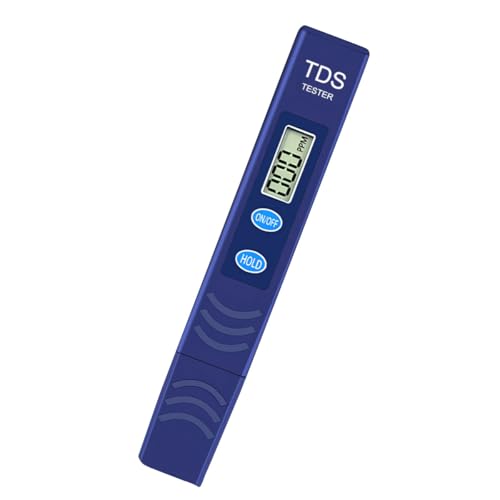
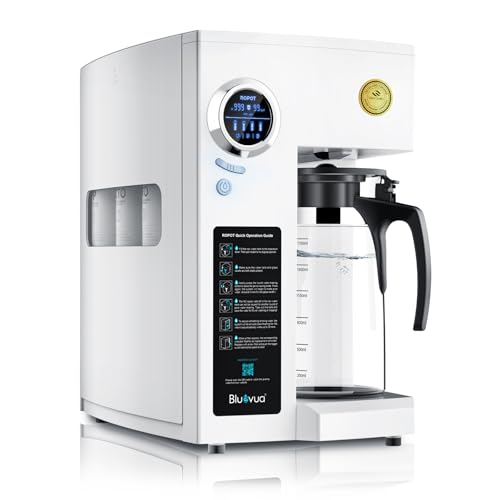
For portable, on-the-go needs, a portable water filter bottle with replaceable filter provides immediate filtration. For permanent home use, consider a under-sink reverse osmosis water filtration system 3-stage or a countertop water filtration system with faucet. To enhance disinfection and taste, a UV water purifier countertop 110V 4-stage filtration adds a sanitizing layer. A digital TDS water tester meter pen 0-9990 ppm helps monitor water purity between filter changes.
What You’ll Need
- Portable water filter bottle with replaceable filter
- Under-sink reverse osmosis water filtration system 3-stage
- Countertop water filtration system with faucet
- UV water purifier countertop 110V 4-stage filtration
- Digital TDS water tester meter pen 0-9990 ppm

Before You Start
Assess your water sources and space: apartments may favor countertop or under-sink setups, while homes with shared or well water might benefit from multi-stage filtration. Read manufacturer manuals for each device and verify electrical safety for countertop UV units. Plan reasonable time for installation and check local plumbing codes if you’re modifying fixtures.
Safety notes include handling sharp tools with care, turning off water supplies before disconnecting any lines, and ensuring electrical devices are kept away from standing water. If you suspect contaminated water or persistent odor, consider testing results from a certified lab. Time estimates vary by system: simple portable filters take minutes, while RO or UV installations may require 1–4 hours including connections.
Step-By-Step: How To Filter Home Water Efficiently
- Decide the primary setup: portable for travel, countertop for easy access, under-sink RO for whole-tap filtration, or a UV purifier for disinfection plus taste improvement.
- If choosing a portable bottle, remove the cap, insert a new replaceable filter, fill with tap water, and allow it to pass through before drinking.
- Install a countertop filtration system with faucet by attaching the unit’s inlet hose to the cold-water supply under the sink or to a dedicated faucet, following the manufacturer’s mounting steps.
- For an under-sink RO system, mount the unit beneath the sink, connect the cold-water line to the system’s input, and run the filtered line to a dedicated faucet. Flush the system as instructed to clear preservatives.
- Set up a UV water purifier countertop by plugging into a standard 110V outlet and connecting the unit to the countertop faucet line. Ensure the chamber is sealed and the lamp is correctly seated before powering on.
- Test water quality with a digital TDS water tester meter pen 0-9990 ppm before and after filtration to gauge effectiveness and schedule filter changes accordingly.
- Schedule routine maintenance: replace RO membranes and pre/post-filters per the manufacturer’s guidance, sanitize the countertop unit periodically, and keep the tester calibrated for accuracy.
- Label each filtration setup clearly to avoid cross-use and ensure you’re drinking water from the intended source. Keep spare parts and filters in a cool, dry place.
- Educate household members about ongoing maintenance, including how to read TDS values and when to replace filters to maintain water quality.
- Record performance visually with a simple log: dates of filter changes, TDS readings, and any noticeable changes in taste or odor.
- If any system leaks, power issues arise, or taste changes persist, stop use and consult the manufacturer’s support or a licensed plumber for a professional assessment.
Troubleshooting
| Symptom | Likely Cause | Fix | Prevention |
|---|---|---|---|
| Water flow is slow on a countertop or under-sink system | Clogged filters or blocked lines | Replace filters; flush system per manual | Schedule regular filter changes; use recommended water sources |
| Weak or no UV lamp activity | Electrical fault or expired lamp | Check power, replace lamp if needed | Keep lamp maintenance logs; avoid water splashing on electronics |
| Unusual taste or odor after filtration | Filter still dirty or wrong filter type | Verify filters match system; replace as needed | Use correct filter sequences and prefilters |
| Inconsistent TDS readings | Tester not calibrated | Calibrate the meter; rinse probes | Regular calibration checks |
Common Mistakes
- Using the wrong filter for the system and bypassing stages
- Ignoring filter replacement schedules, leading to reduced performance
- Neglecting calibration of the digital TDS tester meter pen
- Not flushing RO systems before first use, causing cloudy water or taste issues
- Leaving UV units unplugged or exposed to moisture or splashes
Tips For Best Results
- Keep a spare filter kit and a dedicated cleaning brush for each unit to simplify maintenance.
- Utilize the digital TDS tester regularly to confirm that filtration remains effective between changes.
- Position countertop units away from heat sources and ensure stable mounting to prevent vibrations.
- Label each filtration line to minimize confusion between RO, UV, and post-filter stages.
- Review local water quality reports to tailor filter choices to your specific contaminants.
Call A Professional
Seek professional help if there is persistent leakage, improper installation, or if the home’s plumbing layout requires modifications beyond basic DIY steps. Stop using any system immediately if there is a strong chemical smell, visible contamination, or inconsistent electrical behavior near water sources. A licensed plumber or water-treatment technician can verify code compliance, ensure safe connections, and optimize performance for long-term reliability.
FAQ
What is the best filtration system for a small apartment kitchen?
For compact spaces, a countertop water filtration system with faucet or a portable water filter bottle offers simple, space-saving options with solid filtration. Choose models with easy filter replacements and reliable warranty.
How often should I replace filters in an RO system?
Filter replacement intervals depend on water usage and input water quality, typically every 6–12 months for pre-filters and every 2–3 years for RO membranes, but follow the manufacturer’s guidance.
Can a UV purifier replace other filtration stages?
UV purifiers disinfect water but do not remove chemical contaminants or sediments. They work best as a supplement to physical and chemical filtration stages.
What does TDS indicate about water quality?
Total Dissolved Solids (TDS) reflects the overall concentration of dissolved substances. Lower TDS values generally indicate cleaner water, but the presence of specific contaminants still depends on the filtration system used.
Buying Guide
When evaluating filtration options, consider size, noise, energy use, controls, and placement. For portability, look for compact designs with easy filter swaps and clear indicator lights. For under-sink RO systems, ensure adequate cabinet space and quiet operation for household use. UV countertop purifiers require a standard outlet and ventilation; confirm lamp life and replacement costs. Noise levels matter for open-plan kitchens, so choose units with low hum and sturdy mounting. Energy efficiency is important for countertop UV and RO systems; compare standby consumption. Controls should be intuitive, with clear on/off, filter life indicators, and flush/reset options. Placement matters: keep filtration devices away from heat sources, direct sunlight, and moisture-prone areas. If you share water with guests, select a system with a straightforward maintenance routine and widely available replacement filters. Finally, compare total cost of ownership by factoring filter replacement intervals, electricity use, and potential service needs over time.