Urine odors on hardwood floors can be stubborn, but with the right approach you can restore a fresh scent and protect the surface. This guide covers practical steps, product options, and best practices tailored for American homes. Whether the odor comes from pets, accidents, or spills, the method remains similar: clean, neutralize, and dry thoroughly.
Below, readers will find a concise plan that combines proven cleaning techniques with enzyme-based products designed specifically for hardwood and pet messes. The emphasis is on minimizing damage to the wood while permanently addressing the odor at its source.
Quick Answer
Act quickly: blot the area to remove moisture, then apply an enzyme-based cleaner designed for urine on hardwood floors, followed by a dedicated odor neutralizer. Rinse lightly, dry completely, and ventilate. If odor persists after 24–48 hours, repeat with a stronger enzymatic solution or consider professional assistance.
What You’ll Need
- Enzymatic cleaner for urine hardwood floors 32 oz
- Pet urine odor remover wood floor spray 24 oz
- Wood floor cleaner urine smell spray mop kit
- Hardwood floor cleaning solution enzymatic pet stain
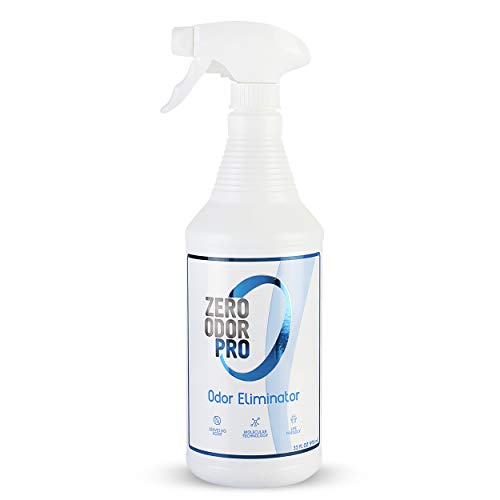
- Odor neutralizer for wood floors urine smell spray
- Clean white cloths or paper towels
- Soft-bristled brush or sponge
- Disposable gloves (optional)


Before You Start
Plan a time when you can complete the cleaning process in one or two sessions. Create a well-ventilated workspace by opening nearby doors and windows or using a fan. Protect surrounding areas with a mat or towels to catch drips. Test any cleaner on a small inconspicuous area first to ensure it doesn’t alter the wood color.
Important cautions include avoiding soaking the wood, which can cause warping or finish damage. Do not mix cleaners with harsh chemicals like ammonia or bleach. If the odor is very strong or covers a large area, budget extra time for thorough treatment.
Step-By-Step: How To Remove Urine Smell From Hardwood Floors
- Identify the exact footprint of the odor and blot the area with a clean cloth to remove surface moisture.
- Apply a generous amount of enzymatic cleaner for urine on hardwood floors 32 oz directly to the affected spot, ensuring it covers surrounding edges to prevent lingering odor.
- Wait for the enzyme to work. Most products specify a contact time; avoid wiping off too soon. The enzyme will break down organic compounds causing the smell.
- Gently scrub with a soft-bristled brush if the odor persists after the recommended dwell time, then reapply the cleaner as needed.
- Rinse lightly with a damp mop or cloth to remove excess cleaner, then blot dry with a clean towel.
- Apply an odor neutralizer for wood floors urine smell spray on the area. Allow it to dry completely, guiding the spray with even strokes for uniform coverage.
- Use a dedicated wood floor cleaner urine smell spray or enzymatic pet stain solution for ongoing maintenance in the neighboring area to prevent reoccurrence.
- Keep the space well-ventilated and monitor the area for several days. Re-treat if a faint odor remains after the initial pass.
- Perform routine maintenance with a wood floor cleaner formulated for pet stains to sustain a fresh scent and protect the finish.
- Return furniture only after the area is completely dry to prevent moisture buildup under items.
- If the odor returns or persists, consider a professional assessment for deeper cleaning or refinishing needs.
- Optional follow-up: use a spray mop kit designed for wood floors to maintain cleanliness and minimize repeating odors during regular cleaning cycles.
Troubleshooting
| Symptom | Likely Cause | Fix | Prevention |
|---|---|---|---|
| Odor persists after cleaning | Insufficient contact time or hidden spill | Reapply enzymatic cleaner and extend dwell time | Address nearby hidden areas and seal porous gaps |
| Finish dulls or discoloration | Excess moisture or harsh cleaners | Use minimal moisture and a wood-safe cleaner | Spot-test cleaners before full application |
| Wet patches after cleaning | Over-wetting the wood | Blot and dry, then use a dehumidifier | Apply cleaner sparingly and follow with rapid drying |
| Recurring odor after days | Inkling of deeper issue or failure to treat entire area | Repeat steps with stronger enzymatic solution | Regular maintenance and prompt cleanup after incidents |
Common Mistakes
- Using generic cleaners that don’t target organic odors
- Soaking wood with liquids, causing warping or finish damage
- Neglecting to dry the area thoroughly, allowing bacteria to linger
- Delaying treatment after an accident, making odors harder to remove
Tips For Best Results
- Always blot first to remove moisture before applying cleaners
- Choose enzymatic cleaners designed for urine and pet stains on wood floors
- Follow manufacturer dwell times for maximum effectiveness
- Use odor neutralizers specifically formulated for wood floors to complement enzymatic cleaners
- Ventilate the room during and after treatment to speed drying
- Consider a routine cleaning kit—combining enzymatic cleaners and spray mops—for ongoing odor control
Call A Professional
Seek professional help if the odor covers a large area, involves water damage, or returns after multiple treatments. Signs that require expert intervention include warped planks, persistent musty smells, or odors penetrating subflooring. A pro can assess ventilation, moisture levels, and potential need for refinishing.
FAQ
What type of cleaner works best for urine on hardwood floors?
Enzymatic cleaners designed for urine and pet stains are typically most effective because they break down organic compounds that cause odor.
Can I use vinegar to remove urine smell from wood floors?
Vinegar can help with mild odors, but for tough urine smells on hardwood, enzymatic products usually yield better results without risking finish damage.
How long should I let cleaners sit before wiping them off?
Follow the product’s label for recommended dwell times, usually several minutes to allow enzymes to act.
Is it necessary to hire a professional after repeated cleaning attempts?
If odors persist beyond multiple treatments or cover a large area, a professional assessment is advised to prevent further damage and ensure thorough remediation.
How can I prevent urine odors after cleaning?
Maintain routine cleaning with a wood floor cleaner designed for pet stains and promptly address any new accidents to prevent odor buildup.
Buying Guide
When selecting products to combat urine odors on hardwood floors, consider several factors to ensure effective results and wood-safe use.
- Size and coverage: Choose enzymatic cleaners in sizes that match the area you need to treat. Larger rooms may benefit from the 32 oz bottles and 24 oz spray options for targeted spots.
- Noise level and ease of use: For spray bottles and spray mop kits, look for easy-to-handle designs and minimal noise during application.
- Energy efficiency and eco-friendly options: Opt for cleaner formulations that are low in harsh chemicals and environmentally friendly.
- Controls and application: Spray trigger ergonomics, clear labeling, and dwell-time guidance help ensure proper use.
- Placement and storage: Store cleaners in a cool, dry place away from sunlight. Keep out of reach of children and pets; ensure containers are sealed after use to prevent leaks.
- Comparative perspectives: For stubborn odors, enzymatic pet stain cleaners paired with odor neutralizers often outperform single-step solutions. A wood floor spray mop kit can simplify maintenance by combining cleaning and odor control in one process.
With the right combination of enzymatic cleaners, odor neutralizers, and a well-planned cleaning routine, most urine odors on hardwood floors can be eliminated. If you have ongoing or severe issues, it may be worth comparing specialized wood floor cleaning solutions designed for enzymatic pet stains and odor control to find the best match for your home.