Toilet flies, often drain flies or sewer gnats, can be a persistent nuisance in bathrooms. They breed in organic matter that accumulates in drains, pipes, and traps, then emerge as small, moth-like insects. This guide explains practical, step-by-step methods to reduce breeding sites, deter adult flies, and restore a cleaner bathroom environment for American homes.
Quick Answer
Identify breeding sites, clean and treat drains, and deploy targeted deterrents. Use a combination of drain maintenance products, mechanical cleaning tools, and, if needed, light traps or electric traps to control adult populations. Regular maintenance is key to preventing re-infestation.
What You’ll Need
- bathroom drain fly trap sticky bait for bathrooms
- USB powered electric fly killer for bathroom
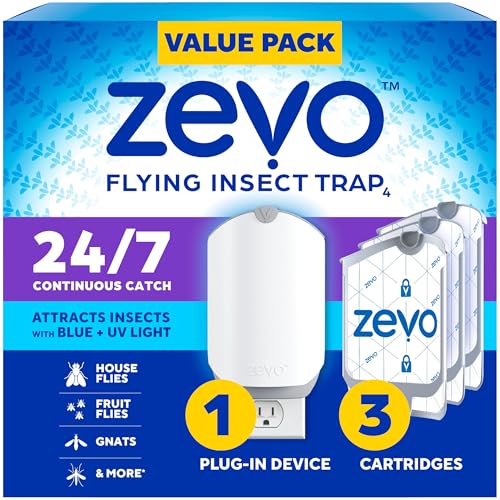
- UV light drain fly trap with adhesive sheets
- enzyme toilet drain cleaner for drain fly prevention
- toilet auger plumbing snake for clearing clogs and breeding sites


Before You Start
Safety is essential when working around toilets and plumbing. Wear gloves and eye protection, especially when handling chemical cleaners or mechanical tools. Don’t ignore standing water or persistent odors, as these signal ongoing breeding sites. Time estimates vary: minor cases may take a few hours; severe infestations can require a few days of cleaning and monitoring. Prepare the bathroom area by removing personal items and ensuring good ventilation.
Step-By-Step: How To Get Rid Of Toilet Flies
- Inspect the bathroom for obvious breeding sites, focusing on drains, traps, and especially the toilet bowl rim and siphon.
- Seal off the bathroom to avoid spreading larvae to adjacent rooms, then shut off any air vents if advised by a professional.
- Pour an enzyme toilet drain cleaner into the drain to break down organic buildup and slow larval growth.
- Use a toilet auger plumbing snake to dislodge clogs and reach breeding zones inside pipes where larvae may reside.
- Clear standing water from the trap and ensure the P-trap holds water to prevent air-borne entry of adults.
- Apply a drain trap or sticky bait near the drain to capture emerging flies and reduce adult populations.
- Install a UV light drain fly trap to attract and immobilize adults; pair with adhesive sheets for ongoing capture.
- Place a USB powered electric fly killer in the bathroom, away from water and out of reach of children, to reduce flying adults.
- Clean surrounding surfaces with a mild disinfectant to remove residue that could attract more flies.
- Repeat treatments weekly for 2–4 weeks and monitor drain odors and fly activity to assess progress.
- Schedule ongoing maintenance every 1–3 months to prevent recurrence and replace adhesive sheets as needed.
- Reassess and adjust tools based on effectiveness; consider professional inspection if activity persists beyond a month.
Troubleshooting
| Symptom | Likely Cause | Fix | Prevention |
|---|---|---|---|
| Many adults at once after treatment | Breeding site not fully eliminated | Reapply enzyme cleaner; use toilet auger to clear deeper buildup | Regular drain maintenance schedule |
| Persistent odor from drain | Organic matter buildup | Deep clean with enzyme cleaner; check traps | Routine cleaning every 1–3 months |
| Adhesive sheets not catching flies | Low trap efficiency or wrong placement | reposition closer to drain; replace sheets | Combine with UV trap and sticky bait |
| Flies return after weeks | New breeding source or plumbing issue | Inspect plumbing for leaks; consider professional inspection | Ongoing maintenance and leaks repair |
Common Mistakes
- Relying on a single tool—combination approaches work best
- Ignoring hidden breeding spots beyond the toilet drain
- Using overly harsh chemicals that may damage plumbing or attract more pests
- Removing traps or batteries too soon, before populations decline
By diversifying methods and maintaining regular checks, homeowners can minimize toilet fly activity and prevent re-infestation.
Tips For Best Results
- Maintain a consistent cleaning routine and use enzyme cleaners to protect drains from buildup.
- Place traps at multiple access points around the bathroom, not just near the toilet.
- Ensure traps and lights are kept dry and out of direct water splashes to extend their life.
- Ventilate the space to reduce humidity, which supports larval development in drains.
- Replace adhesive sheets promptly to avoid reduced capture efficiency.
Call A Professional
Consider a professional if: drain flies persist after 4–6 weeks, you notice persistent sewage odors, or there are signs of extensive pipe damage. A plumber can inspect for leaks, dried-out traps, or hidden sources and recommend long-term solutions.
FAQ
What causes drain flies to appear in bathrooms?
Drain flies breed in organic matter inside drains, pipes, and traps, thriving in moist, nutrient-rich environments.
Are drain fly traps effective long term?
Yes, especially when used with regular drain cleaning and addressing underlying plumbing issues.
Can I use household products to kill drain flies?
Commercial enzyme cleaners and mechanical cleaning tools are preferred; avoid strong caustics that can harm plumbing.
How often should I repeat treatments?
Initial intensive cleaning may require weekly applications for 2–4 weeks, then monthly maintenance as needed.
Buying Guide
Choosing the right tools and strategies for toilet fly control involves several factors. Consider drain maintenance products, traps, and electronic devices that fit the bathroom layout and usage patterns. Key buying factors include size and placement, noise level, energy efficiency, and ease of use. A compact USB powered device may work well for small bathrooms, while UV light traps provide hands-off operation for ongoing protection. Look for products with clear instructions and replaceable components, such as adhesive sheets or replaceable cleaning solutions, to extend their usefulness. Evaluating multiple perspectives helps identify a balanced kit that addresses both immediate control and long-term prevention.