Stagnant water smell is a common problem in basements, laundry areas, and damp rooms. This guide provides practical, step-by-step actions to remove odors, improve air quality, and prevent recurrence. The approach combines deodorizing treatments, moisture control, and safe cleaning methods suitable for typical American homes.
Quick Answer
Quick steps: identify moisture sources, run a dehumidifier, use an enzyme-based cleaner for drains, and consider an air purifier with activated carbon. For persistent odors, an ozone generator can help, but use with caution and follow safety guidelines.
What You’ll Need
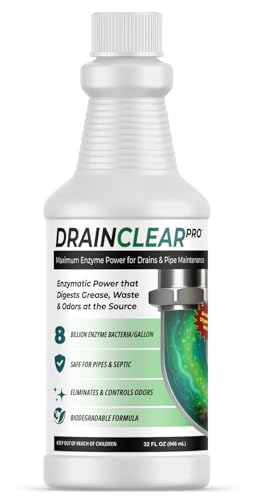
- enzyme drain cleaner 32 oz for musty odor
- basement dehumidifier with auto drain 50 pint
- activated carbon air purifier for musty smell
- drain auger snake plumber kit 3/8 inch
- ozone generator for odor removal home use


Before You Start
Assess the area for visible moisture, leaks, or standing water. Safety first: wear gloves and eye protection when handling cleaners and tools. Ventilate the space when using strong odors or ozone, and never run an ozone generator in occupied rooms. Estimate project time: a thorough procedure often takes a few hours to a full day, including drying time. Critical cautions: never mix chemical cleaners with bleach, keep away from children and pets, and avoid overfilling a dehumidifier bucket if it relies on manual emptying.
Step-By-Step: How To Eliminate Stagnant Water Smell
- Identify odor hotspots by scanning for damp areas, poor ventilation, and potential water infiltration around pipes, basements, and laundry rooms.
- Clear apparent moisture sources. Repair leaks, seal gaps, and remove any standing water or damp debris to stop ongoing odor production.
- Run a basement dehumidifier with auto drain 50 pint to reduce humidity levels below 50–60% in the affected zone and prevent future musty odors.
- Apply an enzyme drain cleaner 32 oz for musty odor to drains and traps. Enzymes break down organic residues that feed mildew and bacteria, reducing foul smells at the source.
- Use a activated carbon air purifier for musty smell in the room or hallway to capture volatile compounds responsible for odor and improve air quality.
- Clean drains with a drain auger snake plumber kit 3/8 inch to remove hair, sludge, and buildup that can trap odors inside pipes.
- If odors persist after cleaning and dehumidifying, cautiously consider ozone generator for odor removal home use. Run in unoccupied spaces following manufacturer safety instructions, and ventilate thoroughly afterward.
- Monitor humidity and odor over the next 24–72 hours. Re-run the dehumidifier if humidity rises or smells reappear, and refresh air using fans to speed drying.
- Establish ongoing prevention: fix leaks promptly, maintain a stable indoor humidity, and schedule routine drain maintenance to minimize future stagnation.
- Document findings and steps taken so future occupants know what was addressed and which measures remain in place to prevent odor recurrence.
- Reassess air quality after a few days with the purifier on a low setting and verify that the odor is gone or significantly reduced.
- Consider professional evaluation if odors return after repeated cleaning or if structural moisture issues are suspected.
Troubleshooting
| Symptom | Likely Cause | Fix | Prevention |
|---|---|---|---|
| Persistent musty odor after cleaning | Hidden moisture source | Inspect walls, floors, and plumbing for leaks; seal and repair | Regular moisture checks, prompt repairs |
| Odor stronger near drains | Organic buildup in traps or pipes | Use enzyme cleaner; snaking drains if needed | Periodic drain maintenance |
| Humidity above 60% | Insufficient dehumidification | Increase dehumidifier output or add another unit | Improve ventilation, fix leaks |
| Odor returns after ozone use | Moisture or hidden source remains | Vacate area during treatment; re-evaluate after treatment | Don’t rely on ozone as sole solution |
Common Mistakes
- Using bleach or strong cleaners as a sole deodorizer instead of enzyme products that target organic residues.
- Neglecting hidden moisture and leaks, which return odors even after cleaning.
- Rushing ozone treatments without proper ventilation and safety precautions.
- Overlooking air circulation; lack of fans can slow drying and odor removal.
Tips For Best Results
- Run dehumidification continuously in damp spaces during and after odor treatment to suppress mold growth.
- Place activated carbon purifiers near odor sources for targeted adsorption of volatile compounds.
- Follow enzyme cleaner instructions precisely for the best breakdown of organic matter in drains.
- Schedule periodic maintenance of drains and sump areas to prevent future buildup.
- Use fans or air movers to improve air exchange during cleaning and drying phases.
Call A Professional
Contact a pro if there is suspected structural water intrusion, ongoing leaks, extensive mold, or if odor problems persist after multiple self-help steps. Stop-and-go water damage repairs or electrical hazards are signs to escalate to a licensed contractor or plumber.
FAQ
What causes stagnant water smells in a home?
Stagnant water smells usually come from moisture buildup, mold or bacteria in damp areas, or organic residues in drains and pipes.
Can I use ozone generators safely at home?
Ozone generators can remove odors but must be used in unoccupied spaces and in accordance with safety guidelines to prevent health risks.
Will a dehumidifier alone solve musty odors?
A dehumidifier helps reduce humidity and mold growth but should be paired with cleaning, venting, and drain maintenance for best results.
How often should I maintain drains to prevent odors?
Regular maintenance every 3–6 months, or as needed in damp areas, helps prevent buildup and odor resurgence.
Buying Guide
When selecting tools and devices to tackle stagnant water odor, consider size, capacity, noise, energy use, and placement. For example, a 50-pint basement dehumidifier provides strong moisture control in moderate spaces, while compact purifiers with activated carbon offer targeted odor adsorption in smaller rooms. Evaluate how often you’ll run equipment, the typical humidity level in your area, and how visible the units will be. Look for units with auto-drain features to minimize manual maintenance. If you’re dealing with recurring drains odors, an enzyme cleaner is a low-downtime option, complemented by regular drain maintenance. For larger odor problems or spaces with poor ventilation, an ozone-based solution can help when used safely and temporarily. Finally, ensure that placement supports proper air flow and easy access for cleaning and filter changes.