Prickly hair after shaving can be uncomfortable and unattractive. This guide focuses on practical, American-tested steps to smooth skin, reduce irritation, and prevent future prickliness. By combining gentle exfoliation, ingrown-hair prevention tools, and smart aftercare, you can achieve a cleaner, softer finish.
The approach emphasizes non-irritating routines, correct tool use, and a clear sequence from prep to aftercare. Readers will learn how to identify prickly hair signs, choose the right tools, and apply best practices that fit typical shower and bathroom routines.
Quick Answer
Exfoliate regularly to lift dull, dry skin and reveal smoother skin beneath. Use gentle tools like an exfoliating body brush or a manual exfoliating glove. Follow with a targeted ingrown-hair remover tool if needed, and finish with a protective bikini line trimmer or dermaroller for ongoing prevention. Consistency is the key to lasting results.
What You’ll Need
- Exfoliating body brush for ingrown hairs
- Manual exfoliating glove for shaving aftermath
- Stainless steel ingrown hair remover tool
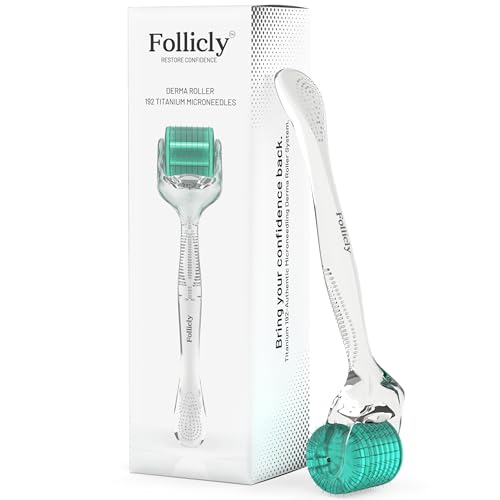
- Dermaroller for ingrown hair prevention
- Electric bikini line trimmer with protective guard


Before You Start
Prepare a clean, warm shower area and use lukewarm water to soften skin. If you have sensitive skin, test new tools on a small patch first and discontinue if irritation occurs. Time estimate: 15–30 minutes for a full prep and treatment session. Avoid aggressive scrubbing, which can worsen irritation, and never use sharp tools on broken skin. Keep tools clean and dry between uses to prevent infection.
Step-By-Step: How To Get Rid Of Prickly Hair After Shaving
- Soften skin with a warm shower or bath for 5–7 minutes to open pores.
- Gently dry the area, then exfoliate with the exfoliating body brush for ingrown hairs using circular motions for 1–2 minutes.
- Alternate with the manual exfoliating glove for shaving aftermath for thorough but gentle exfoliation.
- Inspect the skin for any raised bumps or ingrown hairs; use the stainless steel ingrown hair remover tool only on clearly visible ingrown hairs, with light pressure.
- Apply a soothing, fragrance-free lotion or aloe to calm the skin after exfoliation and minor extractions.
- If you’re new to prevention, consider a dermaroller for ingrown hair prevention once a week on dry, clean skin to encourage healthy hair growth and reduce follicle blockage.
- Keep the electric bikini line trimmer with protective guard on standby for maintenance, especially along sensitive areas, avoiding direct contact with irritated skin.
- Avoid shaving immediately after exfoliation; wait at least 24 hours or follow with a light, non-irritating moisturizer.
- Establish a routine: exfoliate 1–3 times weekly and use protective measures after shaving for ongoing comfort.
- Store tools in a dry, clean area and replace any tool showing signs of wear or rust.
- Monitor skin response; if redness or itching worsens, reduce exfoliation frequency and consult a professional if needed.
- Adjust routines seasonally; drier skin may benefit from gentler methods and richer moisturizers.
Troubleshooting
| Symptom | Likely Cause | Fix | Prevention |
|---|---|---|---|
| Continual prickly sensation after shaving | Insufficient exfoliation | Increase gentle exfoliation frequency | Maintain regular routine with approved tools |
| Red, irritated skin after exfoliation | Too-aggressive scrubbing | Switch to lighter pressure and shorter sessions | Use fragrance-free products |
| Ingrown hairs reappearing quickly | Blocking follicles | Use dermaroller as directed and keep skin clean | Hydrate and avoid over-shaving |
| Tool-induced nicks or swelling | Rough handling or dull tools | Discontinue use of dull tools and replace | Proper maintenance and sanitization |
Common Mistakes
- Over-exfoliating, which can strip moisture and irritate skin
- Using metal tools on irritated or broken skin
- Skipping aftercare moisturizers or sunscreen on exposed skin
- Rushing the process and applying products immediately after shaving
Tips For Best Results
- Trade off between frequency and sensitivity; start with 2–3 sessions per week and adjust.
- Pair exfoliation with hydration to restore skin barrier health.
- When using the dermaroller, follow manufacturer directions and avoid overuse to prevent skin trauma.
- Clean tools after each use and store in a dry environment to prevent bacterial growth.
- Consider a light, fragrance-free sunscreen in sun-exposed areas after treatment.
Call A Professional
Consult a dermatologist if symptoms persist beyond several weeks, if you notice severe redness, swelling, or pus, or if there are signs of infection. Seek professional care immediately if you experience intense pain, fever, or widespread skin involvement. A pro can assess for conditions like folliculitis and recommend prescription options or in-office treatments.
FAQ
How often should I exfoliate after shaving?
Start with 2–3 times per week and adjust based on skin response to avoid irritation.
Can I use a dermaroller on all areas?
Use as directed and avoid sensitive regions with broken skin or active irritation.
Is a protective guard on the bikini line trimmer necessary?
Yes, it helps prevent nicks and protects sensitive skin during maintenance.
What products help prevent ingrown hairs long-term?
Regular exfoliation, moisturization, and barrier-supporting serums or lotions can aid prevention.
When should I see a doctor about persistent prickly hair?
If irritation or ingrown hairs persist after a consistent routine, consult a dermatologist for evaluation.
Buying Guide
Choosing the right toolkit for prickly hair after shaving involves considering size, noise, energy efficiency, controls, and placement. For most users, a combination of exfoliating tools and targeted ingrown-hair aids provides the best results. Consider these factors when shopping:
- <bSize and ergonomics: Look for a lightweight brush or glove that fits comfortably in the hand to ensure steady, gentle use.
- <bNoise level: Electric tools like trimmers vary in sound; choose models with quiet operation if you share a bathroom or sleep near the area.
- <bEnergy efficiency: Manual tools require no power, while electric devices may offer battery efficiency and replaceable parts.
- <bControls: Simpler controls reduce the risk of overdoing exfoliation; prefer devices with adjustable intensity for sensitive areas.
- <bPlacement: Tools should be safe for use on the bikini line and other delicate zones; protective guards are beneficial for these spaces.
When comparing products, consider how often you shave, your skin type, and your tolerance for maintenance tasks. A balanced kit combining a exfoliating body brush for ingrown hairs and a manual exfoliating glove for shaving aftermath offers broad coverage, while a stainless steel ingrown hair remover tool and dermaroller provide targeted prevention. An electric bikini line trimmer with protective guard helps with ongoing maintenance without close contact with irritated skin. If unsure, consult product guides and user reviews to find a setup that fits your routine and skin sensitivity.