Peeling lips can be uncomfortable and embarrassing, especially when the skin is raw or flaking. This guide provides practical, skin-safe steps using common lip care products to restore moisture, protect lips, and prevent future peeling. The focus is on gentle exfoliation, hydration, and barrierrepair with readily available products.
Quick Answer
Seal moisture fast with a hydrating lip balm or overnight mask, gently exfoliate with a sugar-scrub-based lip treatment, and replenish the skin barrier with ceramide-rich creams. Use a lightweight, non-irritating routine twice daily and adjust for sensitivity.
What You’ll Need
The following tools and products are commonly used to treat peeling lips. They focus on exfoliation, hydration, and barrier support.
- Lip scrub with sugar crystals jojoba oil 1.7 oz
- Hydrating lip balm shea butter 0.5 oz
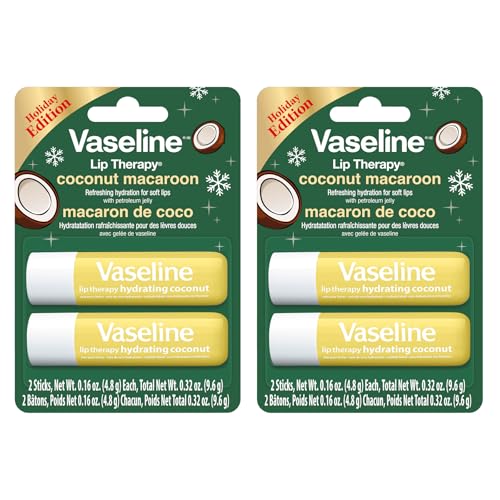
- Petroleum jelly lip balm tub 3 oz
- Lip moisturizer ceramides hyaluronic acid 0.33 oz
- Overnight lip mask coconut oil beeswax 0.5 oz


Before You Start
Prepare a clean, dry surface for application. If lips are cracked or bleeding, avoid aggressive scrubs and consult a clinician. Time estimates for routine setup and first treatment typically range from 10 to 20 minutes. Important cautions: do not pick or peel skin; use lukewarm water for cleansing; avoid perfumed or irritant-containing products that can worsen peeling.
Step-By-Step: How To Treat Peeling Lips
- Start with a gentle cleanse using lukewarm water and a soft cloth to remove debris from the lips.
- Apply a lip scrub with sugar crystals jojoba oil once a day or every other day, focusing on the outer edges. Massage lightly for 20–30 seconds, then rinse.
- Pat lips dry and apply a thin layer of hydrating lip balm shea butter to restore moisture.
- For heavy peeling or dryness, dab a small amount of petroleum jelly lip balm tub to seal in moisture overnight.
- During daytime, layer a lip moisturizer ceramides hyaluronic acid to support the skin barrier and boost hydration.
- Finish with an overnight treatment: overnight lip mask coconut oil beeswax can be applied before bed for deep moisturization.
- Avoid licking the lips to prevent further dryness; if needed, blot gently after meals and reapply moisture.
- Maintain a consistent routine for at least 7–10 days, adjusting frequency based on comfort and product tolerance.
- Monitor for signs of irritation or infection; discontinue use if redness or swelling worsens.
- Reassess external factors like weather, sun exposure, dehydration, or irritants that may contribute to peeling.
- Consider using a humidifier in dry environments to support overall lip hydration.
- Switch to fragrance-free formulations if sensitivity occurs and keep products capped to prevent contamination.
Troubleshooting
| Symptom | Likely Cause | Fix | Prevention |
|---|---|---|---|
| Persistent peeling after 1–2 weeks | Underlying dehydration or irritant exposure | Increase hydration steps, check for irritants, consult a clinician if needed | Consistent moisture barrier routine |
| Stinging or burning after applying product | Allergic reaction or incompatible ingredient | Patch test new products; stop use if symptoms persist | Choose fragrance-free or hypoallergenic options |
| Cracking at corners of mouth (angular cheilitis) | Chronic dryness or infection risk | Use barrier balm and see a clinician if redness persists | Keep lips moisturized and avoid licking |
| Glossiness without lasting moisture | Insufficient barrier support | Layer ceramide/hyaluronic formulations before balm | Apply a heavier overnight treatment |
Common Mistakes
- Over-exfoliating with harsh scrubs, which can damage new skin.
- Using multiple fragranced products that irritate sensitive lips.
- Leaving lips unmoisturized for extended periods, especially in cold or windy weather.
- Popping or picking at peeling skin, which slows healing and may cause scarring.
Tips For Best Results
- Limit exfoliation to 1–2 times per week unless the condition requires more frequent care.
- Choose a hydrating lip balm with humectants and emollients, then seal with a barrier product like petroleum jelly if needed.
- Use sunscreen on the lips when outdoors to prevent UV-related dryness and peeling.
- Keep lip products in a clean, dry place and replace after signs of degradation.
- Hydration matters: drink water consistently and consider a humidifier in dry indoor environments.
Call A Professional
Seek a professional if peeling lips persist beyond two weeks, worsen, or are accompanied by severe pain, swelling, or fever. Signs suggesting a possible infection, eczema, or dermatitis require a clinician’s evaluation. If you suspect an allergy to a cosmetic, discontinue the suspected product and request patch testing guidance.
FAQ
How often should I exfoliate peeling lips?
Limit exfoliation to 1–2 times per week to avoid irritation and support skin recovery.
Can I mix products for faster healing?
Layer products from lightest to heaviest: cleanser, balm, ceramide/hyaluronic treatment, and overnight mask as needed.
Is petroleum jelly safe for lips?
Yes, petroleum jelly acts as a barrier to lock in moisture, especially overnight.
What should I avoid during a lip peeling episode?
Avoid harsh scrubs, perfumed products, and licking lips excessively, which can worsen dryness.
Buying Guide
When choosing lip care products to prevent and treat peeling lips, consider these factors to make informed decisions that fit daily routines:
- Size and packaging: Choose convenient, travel-friendly tubes or jars that you can use throughout the day.
- Consistency and feel: Target moisturizers with a smooth, non-sticky texture that feels comfortable on lips.
- Active ingredients: Look for ceramides, hyaluronic acid, shea butter, and natural oils that support hydration and barrier repair.
- Exfoliation options: If you use a lip scrub, ensure it contains gentle sugar crystals and a cleansing base like jojoba oil.
- Allergen considerations: Fragrance-free options reduce the risk of irritation for sensitive skin.
- Sun protection: Consider lip products with SPF for daytime use if exposure is frequent.
- Usage timing: Overnight masks are ideal for deep hydration, while daytime balms provide daytime protection.
- Placement and storage: Store in a cool, dry place away from direct sunlight to preserve efficacy.
With a balanced regimen and the right products, peeling lips can recover more quickly and stay comfortable. Are you ready to combine exfoliation with steady hydration for healthier, smoother lips?