Old house odors can linger from moisture, mildew, pets, and stale air. This guide provides practical, at-home steps to refresh living spaces, improve air quality, and reduce musty scents using common tools and consumer-grade products.
Quick Answer
Plan a multi-step approach: identify odor sources, control humidity, treat surfaces with enzymatic deodorizers, and circulate fresh air with air purification and deodorizing tools. For persistent smells, combine a HEPA air purifier with an activated carbon filter, a dehumidifier, and targeted enzymatic or odor-absorbing products.
What You’ll Need
The following tools and supplies cover general odor control and specific odor sources. Gather items before starting for a smoother workflow.
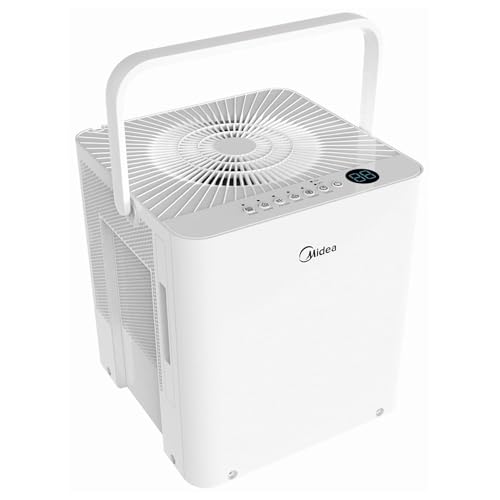
- HEPA air purifier with activated carbon filter for musty basement odor
- Activated charcoal odor absorber bags for home deodorizing
- Dehumidifier 50 pint for damp, musty smell removal in basement
- Enzymatic deodorizer spray for mildew and pet odor remediation
- Portable ozone generator for home odor removal, safe use


Before You Start
Before diving in, assess moisture sources and ventilation. Safety first—do not use ozone generators in occupied spaces for long periods; follow manufacturer instructions and room restrictions. Prepare the area by sealing obvious leaks, drying wet spots, and removing clutter that traps odors. Time estimate: 4–8 hours for initial deodorizing, plus ongoing maintenance over several days.
Step-By-Step: How To Get Rid Of Old House Smell
- Identify odor sources—check basements, closets, bathrooms, and hidden corners for moisture, mold, or pet areas.
- Control moisture—set up a dehumidifier 50 pint in damp zones and maintain humidity around 30–50% to slow mildew growth.
- Improve air exchange—open doors and windows when possible, and run the HEPA air purifier with activated carbon filter for musty basement odor to capture particulates and adsorb gases.
- Treat mold and mildew—apply the enzymatic deodorizer spray for mildew and pet odor remediation to affected surfaces after cleaning and drying.
- Absorb lingering smells—place activated charcoal odor absorber bags for home deodorizing in rooms with persistent scents, especially near sources.
- Target hidden spaces—remove and wash textiles (curtains, rugs, cushions) and consider steam cleaning to break odor bonds from fabrics.
- Deep clean hard surfaces—wipe walls, baseboards, and shelves with a mild cleaner, then re-dry the area completely to prevent moisture rebound.
- Use a controlled odor source—if odors persist, run the portable ozone generator for home odor removal in unoccupied rooms according to safety guidelines, then ventilate thoroughly after treatment.
- Refresh with air movement—keep fans running to distribute treated air and help volatile compounds dissipate faster.
- Monitor and repeat—reassess after 24–72 hours; repeat steps for problem spots and adjust humidity controls as needed.
- Maintain regularly—continue using charcoal bags in problem areas and clean fabrics routinely to prevent recurrence.
Troubleshooting
| Symptom | Likely Cause | Fix | Prevention |
|---|---|---|---|
| Persistent smell after cleaning | Hidden moisture or mold | Recheck moisture levels and reapply enzymatic deodorizer; inspect for hidden leaks | Address leaks promptly; maintain humidity control |
| Odor returns after a few days | Cloth materials or porous surfaces still absorbing | Wash or replace textiles; use charcoal bags in storage areas | Regular cleaning and air circulation |
| Unpleasant odor only in basement | Basement humidity and poor ventilation | Run dehumidifier and air purifier; seal air leaks | Improve drainage and sump management |
| Ozone generator dulls odors but creates new chemical smell | Overuse or improper placement | Limit runtime; follow safety guidelines; ventilate after use | Do not use in occupied spaces; use as directed |
Common Mistakes
- Overlooking moisture sources; moisture control is essential to odor removal.
- Relying on one product; combining dehumidification, filtration, and enzymatic treatment yields better results.
- Using ozone without following safety guidelines, risking health and material damage.
- Ignoring textiles and soft furnishings that trap smells.
- Neglecting ventilation after odor treatments, allowing gases to linger.
Tips For Best Results
- Run the HEPA air purifier with activated carbon filter for musty basement odor continuously in problem areas, rotating rooms as needed.
- Place activated charcoal odor absorber bags for home deodorizing near entry points and closets where odors concentrate.
- Keep humidity consistent; fluctuations often reawaken odors from porous materials.
- Schedule regular maintenance of dehumidifiers and air purifiers, including filter changes and coil cleaning.
- Document odor hotspots with notes or photos to track progress and refine the treatment plan.
Call A Professional
Consider contacting a professional if odors persist after two rounds of treatment, moisture problems are extensive, or there is suspected structural mold growth. Signs to seek expert help include persistent musty odors despite controls, visible mold covering large areas, or health symptoms such as headaches or respiratory irritation when inside the home.
FAQ
What causes old house smells?
Most often moisture, mold, mildew, and lingering pet or cooking odors that saturate fabrics and porous surfaces.
How long does it take to remove odors?
Results vary by severity; expect several days to a few weeks with consistent moisture control and cleaning.
Can I use ozone generators safely?
Yes, but only in unoccupied spaces and according to manufacturer instructions; ventilate thoroughly before reentry.
Do deodorizing sprays work on mildew?
Enzymatic deodorizer sprays can break down odor-causing molecules but should be paired with moisture control and cleaning for best results.
Should I leave charcoal bags out all the time?
Yes, in problem areas they continuously absorb odors; replace bags per product guidelines to maintain effectiveness.
Is humidity control necessary even if odors seem gone?
Yes. Sustained humidity management helps prevent odor recurrence by inhibiting mold growth and moisture buildup.
Buying Guide
Choosing the right tools to combat old house smells depends on space, budget, and severity. Key buying factors include size, noise level, energy efficiency, controls, and placement. Consider:
- <bSize and room coverage: Select a dehumidifier and HEPA air purifier sized for the largest room you plan to treat; consider basement area coverage if addressing lower levels.
- <bNoise level: Look for units with low decibel ratings for bedrooms or living rooms where quiet operation matters.
- <bEnergy efficiency: Choose models with energy-saving modes and programmable timers to run during off-peak hours.
- <bControls and ease of use: Favor intuitive controls, filter indicators, and maintenance reminders to encourage regular use.
- <bPlacement and airflow: Position purifiers near odor sources or center rooms to optimize air circulation; keep doors open when possible to enhance cross-ventilation.
- <bMulti-action capabilities: Consider bundles that combine filtration, odor absorption, and humidity control for a comprehensive approach.
By aligning product choices with room characteristics and odor sources, homeowners can create a practical, effective plan to restoring a fresh, comfortable living environment.