Oil spills and stains on concrete surfaces are common in garages, driveways, and workshops. With the right approach, you can restore the look of freshly poured concrete and extend its life. This guide provides practical, step-by-step instructions using common cleaning products and tools available in the American market.
From splash marks to stubborn spots, understanding the stain type and choosing the right method helps avoid damage to the concrete surface while delivering noticeable results. The following sections outline a clear process, safety considerations, and expert tips for best results.
Quick Answer
Quick method: start with a degreaser and poultice, then scrub or agitate, rinse, and repeat as needed. For deep-set stains, a concrete surface grinder or pressure washing kit can accelerate removal. Always test a small area first.
What You’ll Need
- Concrete oil stain remover degreaser liquid gallon
- Industrial concrete degreaser spray oil stain remover 1 gallon
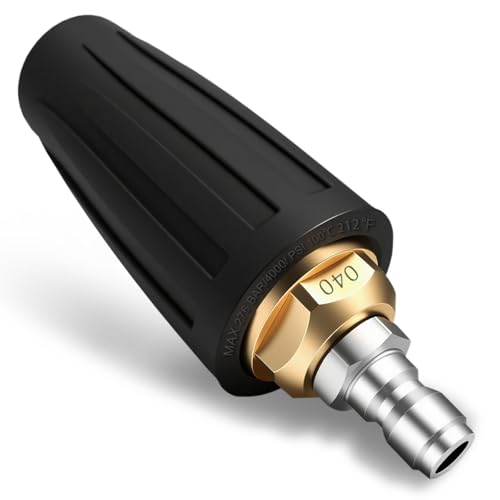
- Pressure washer with turbo nozzle for oil stain removal concrete kit
- Concrete surface grinder for oil stain removal
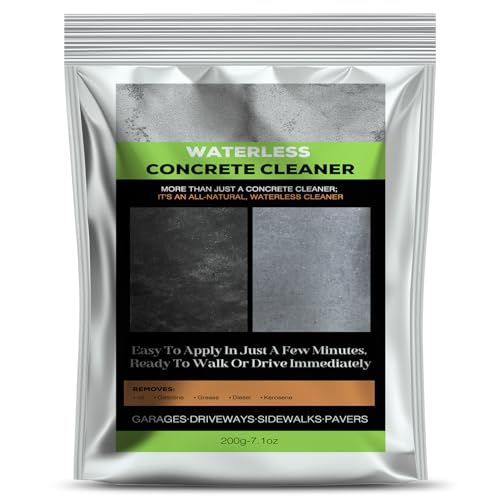
- Concrete oil stain cleaning kit poultice pads absorbent

Before You Start
Before beginning, ensure the area is well ventilated and PPE is worn, including gloves and eye protection. Clear the workspace of loose debris and cover nearby vegetation or surfaces that could be harmed by cleaners. Check the stain age: fresh spills respond more readily than deeply set, weathered marks. Allow any water or chemical residue to dry before proceeding. Important: follow label directions on all products and never mix cleaners unless the manufacturer permits it. Time estimates vary by stain severity, typically from 1–4 hours per treatment, with longer schedules for stubborn spots.
Step-By-Step: How To Remove Oil Spots From Concrete
- Prep the surface by sweeping away dirt and loose material; dampen the area if using powder poultice.
- Apply a concrete oil stain remover degreaser liberally to the affected area, allowing it to dwell per label instructions.
- Scrub the stain with a stiff-bristle brush to work the degreaser into the pores of the concrete.
- Rinse with a spray of water or a pressure washer with turbo nozzle to wash away loosened oil and cleaner residue.
- For stubborn spots, apply a poultice pad or absorbent kit and cover with plastic wrap to draw out the oil; leave for the recommended time.
- Reapply degreaser or a dedicated oil stain remover if initial treatment did not fully remove the stain.
- Repeat the process as needed, then rinse thoroughly and allow the surface to dry completely before sealing or use.
- If residues persist on porous surfaces, consider a concrete surface grinder for controlled material removal, following safety guidelines.
- Optionally seal the concrete after it dries to reduce future staining and simplify maintenance.
- Dispose of cleaning waste according to local regulations and avoid draining oily cleaners into storm drains.
- Inspect the area after drying; document remaining spots for potential follow-up treatment.
Troubleshooting
| Symptom | Likely Cause | Fix | Prevention |
|---|---|---|---|
| Stain remains after initial clean | Deep-set or weathered oil | Repeat degreaser treatment or use poultice; consider grinder for deep spots | Address spills promptly; seal surface after cleaning |
| Cleaner beads on surface | Improper rinsing or over-application | Rinse thoroughly; follow label dwell times | Test small area first; use correct dilution |
| Discoloration or whitening | Efflorescence or moisture | Ensure dry surface; avoid applying cleaners on wet concrete | Seal after complete drying |
| Surface dull after cleaning | Porous wear or etching | Light grinding or polishing; reseal after cleaning | Use appropriate sealant to protect |
Common Mistakes
- Using a high-acid cleaner on sensitive concrete surfaces
- Applying cleaners without adequate ventilation or PPE
- Skipping a test patch and proceeding with full-area treatment
- Rinsing insufficiently, leaving residue that can attract dirt
- Over-drying the area before it is fully clean and dry
Tips For Best Results
- Always test a hidden area first to gauge color response and material safety.
- For large driveways, plan treatments in sections to monitor progress and manage equipment.
- Choose a degreaser compatible with the concrete type and finish (stamped, broomed, or troweled).
- Use a turbo nozzle on the pressure washer to maximize oil removal without damaging the surface.
- Consider a follow-up sealant or epoxy coating to prevent future staining and ease maintenance.
Call A Professional
Seek professional help if stains persist after multiple treatments, if the concrete shows signs of structural damage, or if the area is large and tricky to access. Signs that professional intervention is needed include extensive discoloration, deep-set oil, or concrete surfaces that feel soft or hollow beneath the stain. A pro can safely use advanced tools and methods to restore the surface without causing additional damage.
FAQ
Can I use dish soap to remove oil stains on concrete?
Dish soap helps with light cleaning but is usually not sufficient for oil stains that have penetrated the concrete. Use a degreaser designed for concrete for best results.
Should I seal the concrete after cleaning?
Yes, sealing helps prevent future staining and simplifies maintenance by creating a barrier against liquids and dirt.
Is a grinder necessary for all oil stains?
Not always; many stains respond to degreasers and poultices. A grinder is typically for deeply ingrained or stubborn spots.
Can I use a pressure washer on painted concrete?
Care is needed; high pressure can damage paint or old coatings. Test in a small area and consider gentler methods if damage is likely.
How long should I wait before sealing after cleaning?
Wait until the concrete is completely dry, which can take 24–48 hours depending on humidity and temperature.
Are there eco-friendly options for oil stain removal?
Yes, many degreasers offer less harsh chemistries or biodegradable formulations that are safer for soil and water.
Will rainfall affect the cleaning results?
Recent rainfall can rinse away cleaning agents, so plan treatments during dry spells or shield the area as needed.
Buying Guide
Choosing the right products and tools for oil stain removal depends on stain severity, surface type, and maintenance goals. Consider these factors to optimize pick-and-use decisions:
- Size of the area: Larger spaces benefit from gallon-sized degreasers and bulk poultice kits. For small patches, a spray degreaser can be more convenient.
- Stain severity: Fresh spills may respond to degreaser alone; older stains often require poultice or mechanical methods like grinding.
- Surface finish: Broomed or troweled surfaces may absorb more oil and respond differently to cleaners than polished or sealed surfaces.
- Cleaning method: A combination approach using degreaser, poultice, and occasional pressure washing tends to yield steady results; for stubborn stains, a concrete surface grinder becomes necessary.
- Noise and energy use: Gas-powered grinders produce more noise and vibration; consider electric options where feasible, especially in residential settings.
- Controls and compatibility: Look for degreasers compatible with your surface type and heating or ventilation conditions; check label guidance for dwell times and rinsing needs.
- Placement and storage: Store chemicals in a cool, ventilated area away from children and pets; ensure that the area around the worksite is protected to prevent contaminant spread.
- Maintenance implications: Sealing after cleaning improves future cleanup; plan a regular maintenance schedule to keep concrete looking fresh.
With these considerations, homeowners can choose the right combination of products and tools—ranging from degreasers and poultice kits to power tools and pressure washers—to effectively remove oil spots from concrete and maintain a clean, durable surface.