Disposing of used cooking oil properly is essential for kitchen hygiene and plumbing health. This guide outlines practical steps to handle oil after frying, with safe storage, recycling options, and common mistakes to avoid. Following these methods helps prevent clogs, odors, and environmental harm.
Quick Answer
Cool the oil, strain out food particles, and transfer it to a sealed container for reuse or disposal. Never pour hot oil down the drain. Use a dedicated oil collection container with a pouring spout or a funnel with a strainer to minimize spills.
What You’ll Need
- Fryer used cooking oil drain container with spout
- Grease disposal bucket with lid for used cooking oil
- Heat resistant oil pour spout pitcher for used frying oil
- Kitchen oil recycling container for used cooking oil
- Used cooking oil removal funnel with strainer

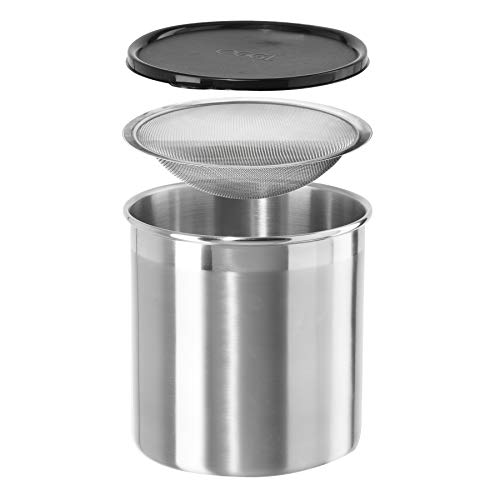

Before You Start
Prepare a stable workspace with a flat surface and ample ventilation. Allow hot oil to cool to a safe handling temperature (generally below 120°F/49°C) before transferring. Never pour hot oil into plastic containers that aren’t rated for heat, and avoid mixing oils with strong odors or residues. Time estimate: 10–20 minutes for basic disposal, longer if filtering or filtering multiple batches. Keep children and pets away from hot oil and containers.
Step-By-Step: How To Get Rid Of Oil After Frying
- Cool the oil in the fryer or pan until it reaches a safe handling temperature.
- Strain out food particles with a suitable used cooking oil removal funnel with strainer to prevent clogs in your container.
- Pour the cooled oil into a heat resistant oil pour spout pitcher or fryer used cooking oil drain container with spout for controlled transfer.
- Seal the container with its cap or lid and label it if you plan to reuse the oil or store it for recycling.
- If you plan to reuse, strain again after cooling to remove fine particles; store in a cool, dark place.
- When the container is full or oil has degraded (off odor, dark color, or froth), seal it and replace it with a fresh supply if needed.
- For disposal, transfer the oil to a designated disposal bucket with lid, ensuring a secure seal to prevent leaks.
- Check local guidelines for recycling options and drop-off locations for used cooking oil.
- Do not pour oil down sinks, toilets, or outdoor drains, as it can cause clogs and environmental harm.
- Clean the original frying vessel with absorbent paper and soap, then rinse thoroughly to remove oil residues.
- Wipe down surfaces and wash tools used for handling oil to maintain kitchen hygiene.
- Dispose of any absorbent materials in accordance with local waste guidelines, especially if contaminated with oil.
Troubleshooting
| Symptom | Likely Cause | Fix | Prevention |
|---|---|---|---|
| Oil smells strong after cooling | Oil oxidized or degraded | Dispose and replace with fresh oil; filter before reuse | Store in a cool, dark place; avoid repeated heating |
| Oil foams during disposal | Moisture or food particles remaining | Filter again and let oil settle | Proper filtration and dry storage |
| Oil spills while transferring | Overfilling or poor pour control | Use a container with measured volume and a spout | Pour slowly; use a stable, level surface |
| Drain clogs after disposal | Oil poured into drain | Stop pouring; flush with hot water and non-oil-safe cleaners if needed | Always dispose through approved containers or recycling |
Common Mistakes
- Pouring hot oil directly into the trash or down drains.
- Using non-heat-rated containers that warp or leak.
- Forgetting to strain oil before storage, leading to odors and contamination.
- Discarding oil with food solids still present, which accelerates odor formation.
Tips For Best Results
- Always let oil cool completely before handling to avoid burns and spills.
- Label containers with date and whether the oil is for reuse or disposal.
- Filter used oil through a fine sieve or paper filter to maximize reuse potential.
- Recycle through local programs or recycling centers that accept used cooking oil.
- Keep a dedicated, clearly labeled disposal container in a convenient kitchen location.
Call A Professional
Call a professional plumber or waste disposal service if:
– There is a persistent drain clog that you cannot remedy with standard methods.
– You notice significant kitchen drainage issues or leaks that involve oil buildup.
– You are unsure about local recycling options or proper disposal guidelines.
FAQ
Is it okay to reuse frying oil?
Yes, if it was strained, stored properly, and shows no signs of rancidity or off-odor before reuse.
Can I pour used oil down the drain after cooling?
In general, no. Pouring even cooled oil can lead to clogs and environmental harm. Use designated containers or recycling options.
What is the best way to filter used oil?
A fine strainer or a dedicated removal funnel with a built-in strainer works well; filter repeatedly if needed.
Where can I recycle used cooking oil?
Many communities accept used oil at recycling centers, hazardous waste programs, or partner drop-off locations. Check local municipal resources.
How long can I store used oil?
Oil can be stored for reuse for a limited time if cooled, strained, and kept in a sealed container away from light and heat.
Buying Guide
Key buying factors
When selecting containers for oil disposal or recycling, consider size, sealing ability, and compatibility with kitchen workflows. A fryer used cooking oil drain container with spout or a grease disposal bucket with lid for used cooking oil should fit cabinet space and be easy to transport. Look for heat-resistant plastics or metals that won’t warp, and choose containers with secure lids to minimize odors and leaks.
Size and capacity
Choose a container that matches your typical batch size. A larger capacity minimizes the number of trips to recycling or disposal sites but requires more storage space.
Noise and ease of use
Opt for containers with stable bases and smooth pouring spouts to reduce spills. A dedicated heat resistant oil pour spout pitcher helps control flow and keeps hands clean.
Energy efficiency and materials
Durable materials with secure closures reduce cleanup time and waste. Stainless steel or BPA-free plastics are common choices that balance price and longevity.
Controls and user interface
Look for simple lids, pour spouts, and clear labeling. Easy-to-read measurements on the container assist with portioning for reuse or disposal.
Placement and accessibility
Store containers near the cooking area but away from heat sources and direct sunlight. A dedicated recycling bin should be clearly labeled and easy to reach for quick, safe disposal after frying.