Lint on pants can dull the look of outfits in seconds. This guide provides practical, skin-safe methods using common tools to restore a crisp, clean appearance on jeans, dress pants, and trousers.
From quick touch-ups to more thorough panel-based approaches, readers will learn when to use specific tools and how to avoid damaging fabrics. The goal is a tidy finish that lasts through a workday or social event.
Quick Answer
Choose the right tool for the fabric and setting. For daily touch-ups, a lint roller for pants with refill sheets provides fast results. For delicate fabrics, a fabric lint brush or a fabric shaver for removing lint on pants offers gentler options. For on-the-go fixes, a reusable lint roller for trousers or a lint remover pen for clothing pants combines portability with effectiveness. Practice a light touch to avoid fiber damage.
What You’ll Need
- lint roller for pants with refill sheets
- fabric lint brush for jeans and dress pants
- reusable lint roller for trousers
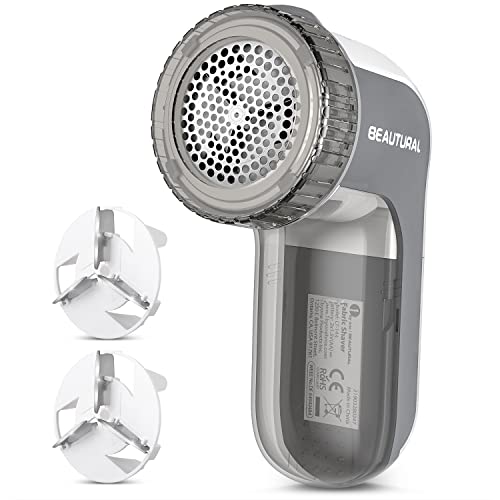
- fabric shaver for removing lint on pants
- lint remover pen for clothing pants


Before You Start
Before tackling lint, examine the fabric type to choose an appropriate method. Heavier fabrics like denim tolerate roll-on methods, while delicate wools or synthetics require gentler tools. Test a small, inconspicuous area first to ensure no pilling or fabric damage occurs. Time estimates vary: quick touch-ups take 2–5 minutes, while deeper lint removal may require 10–20 minutes.
Safety note: avoid applying heat or aggressive scraping on fragile fibers. Work in a well-lit area and follow tool instructions for best results.
Step-By-Step: How To Remove Lint From Pants
- Lay the pants flat on a smooth, clean surface and smooth out wrinkles.
- Use a lint roller for pants with refill sheets, rolling in one direction across the fabric to pick up surface lint.
- For stubborn fibers, switch to a fabric lint brush for jeans and dress pants and brush in short, even strokes, then re-roll any remaining lint.
- If fabric pills or lint remain, glide a fabric shaver for removing lint on pants gently over the affected area.
- For on-the-go fixes, carry a reusable lint roller for trousers and give the fabric a few light rolls in multiple directions to lift lint.
- After lint is removed, inspect seams and pockets. Re-roll or brush those areas if needed.
- Clean the lint roller sheets or brush head according to their instructions to maintain effectiveness.
- Repeat as needed during the day to maintain a crisp appearance, especially after sitting or in dry, dusty environments.
- Store tools in a protective pouch or case to prevent transfer of lint onto clean clothing.
- If lint recurs quickly on a fabric, consider washing or dry-cleaning per care labels, then re-treat with the preferred tool.
- Maintain fabric health by avoiding over-brushing, which can wear fibers; balance removal with fabric care steps.
- Finish with a brief pass of the lint roller to ensure a polished look before stepping out.
Troubleshooting
| Symptom | Likely Cause | Fix | Prevention |
|---|---|---|---|
| Lint returns soon after removal | Loose fibers or high-friction fabric | Re-treat with light brushing or rolling; consider a fabric shaver for deeper fibers | Choose fabric-appropriate tools; wash or dry-clean as needed |
| Fabric pills after using a shaver | Over-shaving on delicate fabrics | Use a gentler setting or manual brush on affected areas | Test patch first; avoid repeated passes on same spot |
| Sticky residues on pants after rolling | Adhesive residue from lint sheets | Switch to a clean sheet or use a brush | Keep a spare sheet handy; replace when adhesive loses tack |
| Lint spreads across fabric when brushing | Rough brushing or damp fabric | Brush gently and dry fabric; use light strokes in multiple directions | Ensure pants are dry and clean before treatment |
Common Mistakes
- Applying too much pressure with a lint brush or shaver, causing fabric wear
- Using disposable lint sheets on delicate fabrics frequently
- Relying on a single tool for all fabrics instead of matching to fiber type
- Not testing on a hidden area before full treatment
With mindful technique, lint removal becomes efficient and fabric-friendly.
Tips For Best Results
- Match the tool to fabric: denim and heavy twill respond well to rollers; silks and wools benefit from brushes or shavers with gentle settings.
- Keep tools clean: debris on the tool can retransfer lint in a second pass.
- Carry a compact lint remover pen for quick, precise spot cleaning on dress pants in public settings.
- Regularly launder or dry-clean pants to reduce ongoing lint buildup, then reapply as needed.
- Store tools in a protective pouch to prevent cross-contamination with other garments.
Call A Professional
If pants consistently shed lint after cleaning, or if fabrics are delicate, seek professional tailoring or dry-cleaning services. Signs to consult a pro include persistent pilling, fabric thinning, or unusual discoloration after lint removal attempts.
FAQ
What is the easiest tool for lint on everyday pants?
A lint roller for pants with refill sheets provides quick, consistent results for most everyday fabrics.
Can I use a lint roller on dress pants?
Yes, but start with a light pass and switch to a fabric lint brush for delicate fibers if needed.
Will a fabric shaver damage pants?
Used correctly on appropriate fabrics, a fabric shaver removes pills rather than fibers. Test first and use low settings on delicate fabrics.
How do I prevent lint from returning after removal?
Wash or dry-clean as recommended, store pants properly, and regularly treat surfaces with the correct lint-removal tools to maintain a clean look.
Buying Guide
When selecting lint-removal tools for pants, consider size, noise level, energy efficiency (where applicable), controls, and placement in a home kit. For most households, a combination of a lint roller with refill sheets and a fabric brush or shaver delivers reliable results. Look for a compact roller that fits in a bag for on-the-go use, and choose refill options that minimize waste. If fabric types vary across wardrobes, a versatile lint remover pen can handle quick touch-ups on the go. Consider how easy each tool is to clean, replace, and store to sustain long-term use. Curious about which setup fits your lifestyle? A balanced kit with multiple tools often performs best for diverse pants fabrics and daily routines.