Ice on sidewalks can create slip hazards and complicate winter travels. This guide explains practical, effective methods to clear and prevent ice buildup using common deicers, tools, and safe application practices for American homes and business properties.
By following a careful sequence—from quick fixes to long-term prevention—property owners can maintain safer walkways throughout cold weather. The guidance focuses on widely available products and supplies designed for concrete and outdoor concrete surfaces.
Quick Answer
Choose an appropriate deicer, apply safely, and maintain the path with regular monitoring. In most cases, a combination of calcium chloride or rock salt, an ice melt spreader for even coverage, and a sturdy ice scraper yields fast results. For sensitive concrete, use paver-safe or liquid deicers and reapply as temperatures fluctuate.
What You’ll Need
Gather these tools and products to clear and prevent ice on concrete sidewalks. The list prioritizes the provided product keywords while including general tools.
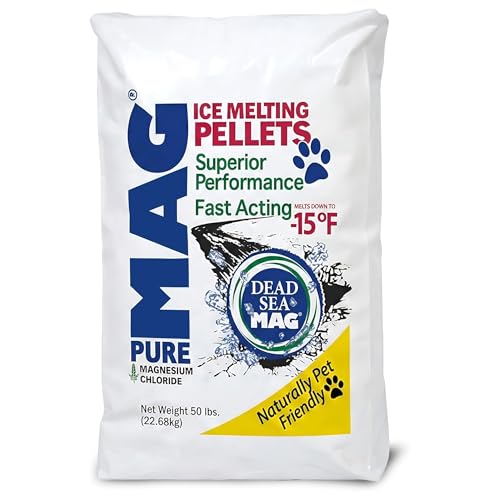
- Calcium chloride ice melt pellets for sidewalks 50 lb
- Rock salt for concrete sidewalks 50 lb bag
- Ice melt spreader for sidewalks
- Heavy duty ice scraper for concrete sidewalk
- Paver-safe deicer liquid for concrete surfaces


Before You Start
Before applying any product, assess the area for ongoing ice accumulation, temperature, and foot traffic. Clear a path of entryways first to reduce hazard exposure. Read product labels for application rates and safety instructions. Wear gloves and eye protection when handling chemical deicers, and avoid splashing on lawns or plants. Plan for a time window of 30 minutes to an hour for the initial treatment and follow-up checks as temperatures rise or fall.
Critical cautions include: never mix deicers unless the label allows it, keep pets and children away from treated zones, and avoid applying deicers on surfaces coated with sealants that may be damaged by chemicals. If temperatures stay below freezing for prolonged periods, recurring applications may be necessary.
Step-By-Step: How To Clear Ice From A Concrete Sidewalk
- Inspect the surface for thin ice layers versus clear packed ice. Thicker ice often requires a stronger deicer like calcium chloride ice melt pellets for sidewalks 50 lb.
- Pre-treat the area with paver-safe deicer liquid for concrete surfaces when forecasts predict freezing rain or consistent lows. This helps prevent new ice bonding.
- Apply a thin, even layer using the ice melt spreader for sidewalks to cover potential hazard zones without overdoing it.
- Let the product work according to label directions. For calcium chloride, expect faster action in colder temps compared with rock salt on most days.
- Use the heavy duty ice scraper for concrete sidewalk to break up any slush and exposed ice bridging from the edges toward the center of the path.
- Reapply as temperatures approach freezing or when new precipitates arrive. Maintain a visible edge to prevent re-accumulation in high-traffic zones.
- Storm cleanup: once a stretch of ice has melted, sweep remaining granular residues to prevent tracking indoors.
- Check for potential staining or residue on concrete; rinse with water after deicer exposure if needed and store products according to the label.
Troubleshooting
| Symptom | Likely Cause | Fix | Prevention |
|---|---|---|---|
| Ice remains after spreading | Very cold temps or packed ice | Reapply calcium chloride or switch to a stronger deicer | Pre-treat before storms |
| Discoloration or residue on concrete | Overuse or incompatible deicer | Rinse, switch to a safer product | Follow label rates exactly |
| Streaks or uneven melting | Uneven application | Re-spread evenly with the ice melt spreader | Calibrate the spreader before use |
| Damage to plants or lawn | Wrong product near landscaping | Move treatment away from edges; use liquid deicer near turf | Use barrier coverage or place mats |
Common Mistakes
- Applying deicers in excessive quantities, which can harm concrete and surrounding vegetation.
- Relying on a single product for all temperatures; some deicers underperform in extreme cold.
- Ignoring pre-treatment opportunities when forecasts predict ice risk.
- Using metal shovels or sharp tools on treated surfaces, risking surface damage.
Tips For Best Results
- Choose calcium chloride ice melt pellets for sidewalks 50 lb for fast action in very cold weather, but consider rock salt for concrete sidewalks 50 lb bag as a cost-effective alternative in milder conditions.
- Keep a dedicated ice melt spreader for sidewalks to distribute product evenly and reduce waste.
- Use the heavy duty ice scraper for concrete sidewalk to remove built-up ice after the melt begins, especially along edges and near doorways.
- Opt for a paver-safe deicer liquid for concrete surfaces when there are concerns about staining or sealant compatibility.
- Regularly clear debris and ensure drainage so meltwater does not refreeze in low spots.
Call A Professional
Consider professional help if the sidewalk area is extensive, has structural damage, or ice persists despite repeated treatments. Stop-and-go traffic, heavy ice layers, or persistent slab movement may indicate underlying issues that require a contractor or a masonry specialist to assess and repair. If you notice scaling, spalling, or cracking after deicer use, contact a professional promptly.
FAQ
What is the safest deicer for concrete?
The safest options vary by concrete condition, but paver-safe or liquid deicers designed for concrete surfaces minimize staining and damage while effectively melting ice.
How often should I reapply ice melt?
Reapply as needed when temperatures remain at or below freezing and new ice forms, following label instructions for frequency and coverage.
Can I mix deicers?
Avoid mixing deicers unless the product label explicitly allows it; some chemicals react and can damage concrete or create safety hazards.
Is salt bad for plants?
Yes, salt can harm nearby plants and landscaping; keep deicer away from soil and use liquid or barrier approaches near vegetation.
Should I shovel before applying deicer?
Yes, remove loose snow first if possible, then apply deicer to target ice for faster results.
How can I prevent refreezing?
Grading and ensuring proper drainage helps, along with timely application and frequent monitoring during thaw cycles.
Buying Guide
Choosing the right ice management setup involves size, performance, noise, and placement considerations. The following factors help compare products and plan effective coverage.
- Size and coverage: For long sidewalks, a 50 lb bag or bulk option minimizes frequent restocking. Consider spreader capacity and handle comfort for extended use.
- Temperature performance: Some deicers work better in very cold temperatures; balance rapid melt with surface safety and long-term concrete health.
- Surface compatibility: Paver-safe or liquid deicers reduce risk to sealants and decorative concrete. Verify compatibility with existing coatings.
- Application method: A dedicated ice melt spreader for sidewalks ensures even coverage, while a handheld scraper helps remove residual ice as needed.
- Safety and environmental considerations: Choose low-odor, low-dust formulas when possible and follow all handling precautions to protect skin and eyes.
- Placement and storage: Store deicers in a dry area, away from direct sunlight, and organize tools for quick access during storms.