Hard water stains on dishes and glassware can be stubborn, leaving cloudy films, white spots, or mineral streaks. This guide provides practical steps using common household products and commercially available descalers to restore a clear, pristine look to your dishes. The methods are suitable for typical American dishwashers and kitchen routines.
Quick Answer
For quick results, use a calcium lime scale remover designed for dishware or run a hot wash with a dishwasher cleaner descaler. If mineral buildup remains, supplement with a citric acid dishwasher cleaner descaler powder or a vinegar-based cycle, followed by a standard rinse. Regular maintenance reduces future staining.
What You’ll Need
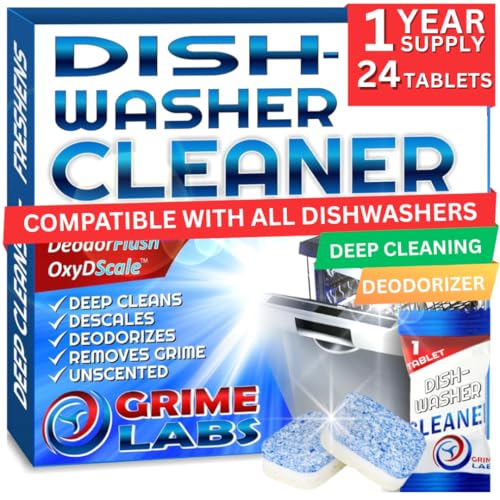
- Dishwasher descaler tablets calcium lime remover
- Citric acid dishwasher cleaner descaler powder
- Hard water stain remover spray for dishes glassware
- Dishwasher cleaner vinegar tablets descaler
- Calcium lime scale remover for dishware dishwasher
- Dish soap and sponge for pre-wash


Before You Start
Clear the dishwasher and remove any racks if possible to access corners where mineral deposits collect. Use hot water for best effect, as minerals dissolve more readily in heat. Do not mix cleaners unless the product instructions explicitly allow it, to avoid dangerous reactions. If any dishware is silver or silver-plated, handle with care to prevent tarnish compromise. Plan for a full cycle with the dishwasher empty to prevent residue from transferring to dishes.
Step-By-Step: How To Remove Hard Water Stains From Dishes
- Run an empty dishwasher cycle with a dishwasher cleaner descaler to break down mineral deposits in pipes and dispensers.
- Place a descaler tablet inside the detergent dispenser or use a citric acid dishwasher cleaner descaler powder according to package directions.
- Check spray arms for clogs and clean any mineral buildup before running another cycle.
- Run a hot wash cycle on the highest recommended temperature for your unit to maximize calcium and lime removal.
- If mineral residue persists on glassware, spray a small amount of hard water stain remover spray for dishes glassware and wash by hand, then air dry.
- For persistent buildup, repeat with a calcium lime scale remover for dishware dishwasher or run a second cycle with vinegar tablets designed for dishwashers.
- After cycles, inspect glassware for clarity. If spots remain, buff with a dry microfiber cloth to remove any surface haze.
- Engage a routine preventive wash every 1–2 months using a dishwasher cleaner or descaler to minimize future stains.
- Run a final cold rinse to seal off any residual mineral film and prevent new spotting during cooling.
- Store cleaners and descalers in a cool, dry place and away from food-contact surfaces.
- Document any pattern of staining (spots on plasticware vs. glass) to tailor future cycles for your water hardness level.
- If heavy buildup recurs quickly, consider installing a home water conditioner or filter to reduce mineral content entering the dishwasher.
Troubleshooting
| Symptom | Likely Cause | Fix | Prevention |
|---|---|---|---|
| White spots on glass | Mineral deposits not dissolved | Run an empty hot cycle with descaler; use citric acid powder | Regular descaling every 1–2 months |
| Cloudy plastics | Mineral film buildup | Soak plastics in a vinegar solution or use a dedicated plastic-safe remover | Avoid overloading with hard-water-prone items |
| Streaks after cycles | Soap residue or rinse aid imbalance | Check rinse aid level; adjust dosage | Use recommended dishwasher cleaners and rinse aids |
| Dark spots on stainless | Reaction with minerals | Switch to non-abrasive cleansers; run a cleaning cycle | Routine maintenance to minimize mineral buildup |
| Persistent buildup despite cycles | Water hardness is very high or system clog | Invest in water conditioner or more frequent descaling | Professional inspection of dishwasher lines |
Common Mistakes
- Using bleach-based products with ammonia cleaners, which can create dangerous fumes.
- Mixing multiple descalers; always follow product directions.
- Overloading the dishwasher or blocking spray arms, which reduces cleaning efficiency.
- Ignoring early signs of mineral buildup; preventive cycles are easier than remediation.
Tips For Best Results
- Run hot cycles with descalers when the dishwasher is empty to maximize mineral dissolution.
- Choose a descaler that targets calcium and lime specifically for best results on hard water stains.
- Use citric acid-based cleaners for a natural, effective mineral remover that’s gentle on glassware.
- For plasticware prone to haze, consider a separate hand-wash routine or a dedicated plastic-safe cleaner.
- Test water hardness level if stains persist; some regions require more frequent descaling.
Call A Professional
Stop signs to consult a pro include frequent, severe mineral buildup despite repeated cycles, unusual dishwasher leaks or odors, or recurring stains on otherwise clean dishes. If the dishwasher’s internal components appear corroded or the spray arms fail to rotate freely, a technician can assess the system and advise on replacement parts or water conditioning upgrades.
FAQ
What causes hard water stains on dishes?
Minerals like calcium and magnesium in hard water leave insoluble deposits on glassware and plastics, especially after dishwasher cycles.
Can I use regular vinegar to remove mineral buildup?
Yes, white vinegar can help dissolve mineral deposits, but use it in controlled cycles and avoid mixing with other cleaners unless instructed.
How often should I descale my dishwasher?
In areas with very hard water, descale every 1–2 months; in softer water regions, every 3–6 months may suffice.
Are descalers safe for all dishwasher materials?
Most descalers are designed for standard dishware and stainless components, but always read product labels to confirm compatibility with your dishwasher model.
Is it better to hand-wash hard water stained items?
For stubborn stains, hand-washing with a dedicated hard water stain remover spray for dishes glassware can supplement dishwasher cycles.
Should I use rinse aids for hard water?
Rinse aids reduce spotting and improve drying on glassware, especially in hard water areas.
What about water conditioners or filters?
Water conditioners (softeners) or inline filters reduce mineral content and can significantly reduce future staining.
Buying Guide
Choosing the right approach to prevent and treat hard water stains involves considering size, noise level, energy efficiency, controls, and placement. Below are factors to weigh when selecting cleaners and equipment to combat mineral buildup.
Size and Capacity
Dishwasher descaler tablets and descaler powders come in small, travel-friendly packages and larger bottles for frequent use. Choose based on household dishwasher frequency and water hardness. A moderate supply works well for most households, with additional backups for peak seasons.
Effectiveness Against Mineral Build-Up
Look for products labeled specifically for calcium and lime scale remover and descalers designed for dishwashers. Citric acid-based powders and vinegar-based tablets offer natural cleaning power with broad mineral removal.
Energy and Efficiency
Maintaining a clean dishwasher improves efficiency. Regular descaling reduces energy usage and improves cleaning performance, especially in hard water regions.
Controls and Compatibility
Check compatibility with your dishwasher model and water type. Some products are one-time-use, while others require periodic cycles. Ensure the product directions align with your unit’s detergent and rinse aid systems.
Placement and Accessibility
Store descalers in a dry cabinet near the dishwasher for easy access during routine maintenance. Keep cleaners separate from food and utensils to prevent cross-contamination.
Maintenance Plans
Consider a regular maintenance plan: quarterly or bi-monthly descaling with a combination of descaler tablets and citric acid powders. In regions with extremely hard water, pair maintenance with a home water conditioner for long-term relief.
Final Considerations
Always follow product instructions and use safety precautions when handling cleaning agents. If in doubt about dishwasher compatibility or persistent staining, consult the manufacturer’s guidelines or a professional technician.