Fiberglass itch is a common nuisance for DIY enthusiasts and professional workers alike. Proper protective gear, careful handling, and efficient cleanup strategies can minimize irritation and speed up the project. This guide focuses on practical, actionable steps for safely removing fiberglass dust and preventing skin irritation during and after insulation work.
Quick Answer
Wear a N95 respirator mask for fiberglass dust and protective goggles, coveralls, and gloves to reduce skin contact. Use a dedicated shop vac fiberglass dust vacuum attachment for cleanup, and a fiberglass insulation removal scraper tool to minimize direct fiber handling. Sanitize exposed skin and shower after finishing to remove any stray fibers.
What You’ll Need
- N95 respirator mask for fiberglass dust
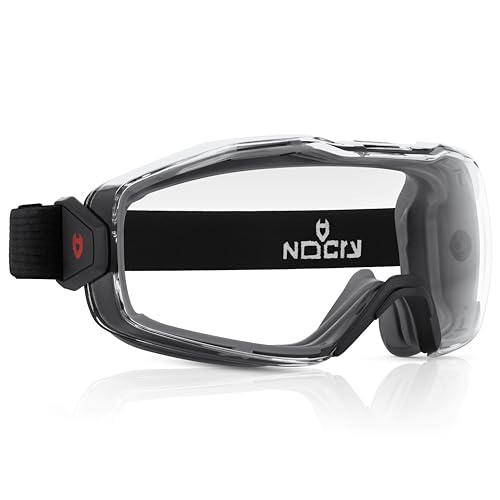
- Safety goggles fiberglass dust protection
- Disposable coveralls insulation removal fiberglass
- Fiberglass insulation removal scraper tool
- Shop vac fiberglass dust vacuum attachment


Before You Start
Prepare the work area by sealing off adjacent rooms to limit dust spread. Ventilate the space with a window or door fan if possible. Inspect the area for protruding wires or moisture, and address any hazards before beginning. Wear all recommended PPE from the outset to minimize skin contact and inhalation risks. Plan cleanup time to avoid rushing the job, which can increase fiber exposure. A simple daily plan helps maintain safety and reduces itch after completion.
Step-By-Step: How To Get Rid Of Fiberglass Itch
- Put on a properly fitted N95 respirator mask for fiberglass dust and ensure it forms a good seal.
- Don safety goggles fiberglass dust protection and ensure side protection is in place.
- Carefully don disposable coveralls insulation removal fiberglass to protect skin and clothes.
- Use a fiberglass insulation removal scraper tool to loosen and lift fiberglass from the surface with steady, controlled motions.
- Engage the shop vac fiberglass dust vacuum attachment to capture dust at the source while you work.
- Frequently wipe exposed skin with a damp cloth to remove loose fibers; avoid rubbing vigorously.
- Bag and seal debris promptly in heavy-duty trash bags to prevent fiber dispersion.
- After finishing, remove PPE in a controlled sequence to minimize exposure, and shower or bathe promptly.
- Clean tools and the work area with a damp cloth or vacuum, then wipe down surrounding surfaces to remove stray fibers.
- Launder clothing separately from other laundry and dispose of disposable coveralls as directed by the manufacturer.
- Inspect skin for persistent itching or rash in the days after work; apply topical treatments only if advised by a clinician.
Troubleshooting
| Symptom | Likely Cause | Fix | Prevention |
|---|---|---|---|
| Persistent itching after cleanup | Fiberglass fibers remaining on skin | Shower, use a mild soap, and reapply protective clothing if re-exposed | Continue wearing PPE during future tasks |
| Rubbing sensation in eyes | Insufficient eye protection | Check goggles seal and consider adding a face shield | Wear snug, certified safety goggles at all times |
| Dust in air pockets | Improper ventilation | Increase ventilation and use a damp cleanup method | Seal off areas not in use and run the dust collection |
| Clothing fibers sticking to skin after wash | Static or fabric transfer | Wash separately with a fiber-release detergent | Avoid clothes that shed fibers |
Common Mistakes
- Skipping PPE or using ill-fitting equipment
- Rushing cleanup and spreading fibers to other areas
- Using dry sweeping instead of damp methods
- Reusing disposable coveralls without proper disposal
Taking time to set up a controlled work zone and following proper cleanup steps significantly reduces fiberglass itch and irritation for future projects.
Tips For Best Results
- Work in small sections to maintain control over dust and fibers
- Keep a damp cloth handy to wipe exposed skin frequently
- Route ventilation to exhaust dust away from living spaces
- Label and store PPE and tools in a designated area for quick access
- Inspect protective gear for wear; replace any compromised items
Call A Professional
Consider professional assistance if insulation removal involves large areas, compromised ventilation, or uncertain containment. Stop work and consult a pro if symptoms persist after exposure, if you notice mold growth, or if you encounter electrical hazards or structural damage during removal.
FAQ
What is the best PPE for fiberglass work?
The best combination includes an N95 respirator mask for fiberglass dust, safety goggles fiberglass dust protection, disposable coveralls insulation removal fiberglass, and a shop vac fiberglass dust vacuum attachment for cleanup.
How do I prevent fiberglass itch after work?
Shower promptly, use protective clothing, and damp-clean surfaces regularly to remove stray fibers.
Can I reuse disposable coveralls after fiberglass work?
Disposal guidance varies by product; generally, dispose of disposable coveralls after use to avoid fiber spread.
Is it necessary to seal off other rooms?
Yes, sealing off nearby areas helps prevent dust migration and reduces itch in other spaces.
When should I seek medical advice?
Seek medical advice if itching worsens, a rash develops, or breathing becomes difficult despite protective measures.
Buying Guide
Key considerations when choosing gear and tools for fiberglass work include fit, filtration, and ease of cleanup. Look for certified PPE with comfortable seals and adjustable features. For tools, prioritize models designed for fiberglass handling that minimize fiber release. Noise levels, battery life (for cordless tools), and compatibility with common cleaning attachments matter for long projects. Assess work space size, ventilation, and disposal methods to determine the ideal combination of protection and cleanup equipment. Would you benefit from a compact setup for attic access or a full-system approach for basement insulation? A practical kit often balances both efficiency and safety.