Dog hair on blankets is a common household challenge, especially for pets that shed year-round. This guide provides practical, step-by-step methods and affordable tools to keep blankets hair-free for comfortable cleaning and lounging.
Using a combination of brushing, surface cleaning, and dedicated pet hair tools can dramatically reduce fur buildup. The methods outlined below are designed for typical American homes and work well on most fabric types found in blankets.
Quick Answer
Start with a microfiber lint roller or a silicone pet hair remover glove to grab surface fur, then finish with a washable dog hair remover roller for deeper cleansing. For stubborn hair, try a static cling pet hair remover tool and a rubber pet hair removal brush for blankets. Repeat as needed for best results.
What You’ll Need
- Microfiber lint roller for blankets dog hair removal
- Silicone pet hair remover glove for bedding
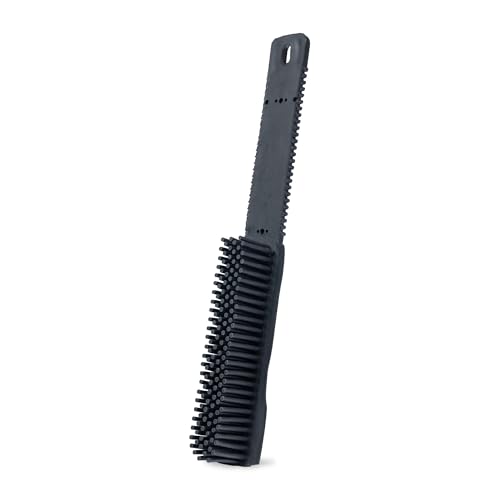
- Rubber pet hair removal brush for blankets
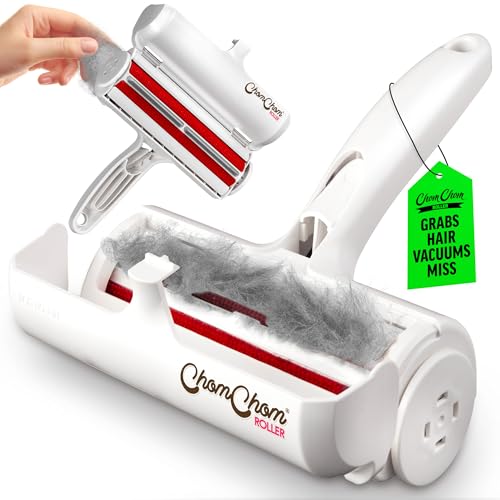
- Wasable dog hair remover roller for blankets
- Static cling pet hair remover tool for blankets

Before You Start
Clear a clean workspace and shake out blankets outside if possible to reduce indoor dust. Read care labels on blankets to avoid fabric damage. Test any tool on a small, inconspicuous area first to ensure no snagging or pilling occurs. Time estimates: quick touch-ups take 5–10 minutes; thorough cleanings may take 15–30 minutes depending on fabric and hair amount.
Step-By-Step: How To Remove Dog Hair From Blankets
- Lay the blanket flat on a clean surface and smooth out wrinkles for easy brushing or rolling.
- Use a microfiber lint roller to pick up surface fur in short, overlapping strokes.
- For stubborn or embedded hair, wear the silicone pet hair remover glove and run your hand in one direction to lift fur.
- Go over the blanket with a rubber pet hair removal brush to sweep hair toward a center line; collect with a lint roller as needed.
- Employ a static cling pet hair remover tool to attract fine hairs that cling to the fabric.
- Finish with a washable dog hair remover roller for blankets to capture any remaining fibers and refresh the surface.
- Shake the blanket or run a clean lint roller over it again to remove loosened hairs before washing.
- If the blanket is machine-washable, launder as directed on the care label; consider adding a fabric softener or dryer sheet to reduce static in the dryer.
- Air dry or tumble dry on a low heat setting with a clean dryer sheet to minimize new static cling.
- Repeat routine regularly, especially after brushing or pet activities in the living areas.
- Store blankets in a clean, covered space to minimize dust and fur resettling between uses.
- Assess lingering hair after washing; reapply tools as needed for a thorough finish.
Troubleshooting
| Symptom | Likely Cause | Fix | Prevention |
|---|---|---|---|
| Hair remains after brushing | Hair is embedded or fabric is very fuzzy | Switch to a rubber brush or silicone glove and re-brush in a single direction | Brush blankets weekly to reduce buildup |
| Hair spreads when washing | Static cling and loose fibers | Rinse with cold water, use a lint roller before washing | Shake out before washing; keep lint traps clean |
| Hair returns after drying | Static electricity re-attracts fur | Use fabric softener or dryer sheets; remove fur before folding | Wash with partial fabric softener; air dry if possible |
| Coverage on dark blankets | Light-colored fur blends in | Use a high-contrast roller or glove to detect hidden hair | Regular brushing of the pet and blanket surfaces |
Common Mistakes
- Using a single tool for all fabrics—different textures require different methods.
- Skipping a wash or dry cycle after brushing—hair often returns if not cleaned away.
- Over-wetting fabrics during spot-cleaning—this can spread hair or lead to mold.
- Delaying cleanup—hair tends to cling more as time passes.
Tips For Best Results
For best results, combine tools to cover all hair types: surface fur with a lint roller, embedded hair with a silicone glove, and fine fibers with a static remover. Keep tools readily accessible in bedrooms and living areas where pets frequent. Periodically wash or replace roller sheets to maintain performance. Consider marking a dedicated blanket for pet use to minimize cross-contamination with other fabrics.
Call A Professional
Professional cleaning is advisable if blankets are heavily matted with fur or made of delicate materials that may snag easily. Seek help if a pet has severe shedding or skin conditions that cause excessive hair loss, or if a blanket shows pilling or fabric damage after repeated cleaning attempts.
FAQ
What’s the fastest way to remove dog hair from blankets?
Use a microfiber lint roller or silicone glove in quick, overlapping motions to lift surface fur before laundering.
Can I wash blankets with dog hair on them?
Yes, but follow care labels and consider using a lint-collecting wash routine or add a fabric softener to reduce static.
Do certain fabrics attract more hair?
Fuzzier materials like fleece and plush attract more hair; smoother fabrics shed fur more easily when brushed.
How often should I clean blankets with pets?
Regular brushing of pets and a weekly or biweekly hair-removal routine for blankets helps keep fur at bay.
Buying Guide
Choosing the right tools depends on fabric type, shedding level, and routine. Consider size, ease of use, and maintenance when selecting products. Look for durable materials, replaceable heads or sheets, and compatibility with common household fabrics. But how do you compare options in a crowded market? Focus on practical performance metrics, user reviews, and product compatibility with blankets in your home.
Understanding Key Buying Factors
- Size and surface area: Larger tools cover more area on bigger blankets, reducing time spent per piece.
- Noise and ease of use: Quiet, simple tools encourage regular use without disrupting household routines.
- Energy and maintenance: Reusable tools with long-lasting components lower ongoing costs.
- Controls and ergonomics: Ergonomic handles and straightforward operation reduce fatigue during cleaning.
- Placement and storage: Compact tools that store easily in bedrooms or laundry rooms improve accessibility.
To tailor choices, compare kits that combine a lint roller, glove, brush, and static remover. For households with heavy shedding, a bundled approach provides versatility across different fabrics and surfaces, including blankets, throws, and bedding.