Brown spots on clothing are a common laundry challenge, often caused by rust, tannins from beverages, or mineral deposits. With the right approach and a few targeted products, most brown stains can be lightened or removed without harming fabric. This guide provides practical steps, tools, and tips to tackle brown spots effectively.
Quick Answer
Identify the stain type (rust vs. organic coffee/tea) and choose an appropriate stain remover. Apply a targeted product, blot or let it sit per instructions, launder as directed, and air-dry to verify success. For tough stains, repeat treatments before drying.
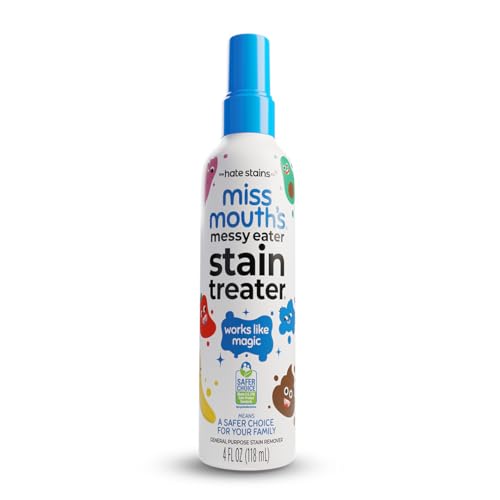
What You’ll Need
- Rust stain remover for clothes spray
- Enzyme laundry stain remover pen for fabrics
- Coffee stain remover powder for fabric
- Tea stain remover spray for clothes
- Prewash stain remover gel for fabric browns


Before You Start
Protect colors and fabrics by testing any product on a hidden seam or inconspicuous area first. Do not apply rust removers directly to metallic finishes or damaged fabric. Check garment care labels for water temperature recommendations and avoid hot water on sensitive materials. Time estimates vary: expect 5–30 minutes per treatment, plus standard washing time.
Step-By-Step: How To Remove Brown Spots From Clothes
- Identify the stain type by color, odor, and origin (rust vs. beverage). This guides the choice of remover.
- Pre-treat with an enzyme stain remover pen on organic stains such as coffee or tea; rub gently to work the enzymes into the fabric.
- Apply rust stain remover spray only if you suspect rust-based discoloration and follow label directions exactly.
- For stubborn brown spots, dust the area with a coffee stain remover powder and let it sit for 5–10 minutes.
- Gently blot with a clean cloth to lift the stain, avoiding harsh scrubbing that could damage fibers.
- Rinse the treated area with cool or lukewarm water to remove loosened residue before washing.
- Wash the garment according to the care label using the appropriate cycle and detergent. Consider a stain-fighting detergent for best results.
- Air-dry the item away from direct sunlight to assess whether the stain is gone. Heat can set remaining stains.
- If any brown tint remains, repeat the corresponding treatment one more time before drying again.
- For repeated issues, treat jewelry- or mineral-related stains with a specialized rust or mineral stain product and adjust future washing routines to prevent recurrence.
- Store stained fabrics in a cool, dry place and avoid leaving damp items in piles, which can worsen staining.
- Document which method works best for future reference and maintain a small stain-removal kit for quick response.
Troubleshooting
| Symptom | Likely Cause | Fix | Prevention |
|---|---|---|---|
| Browning persists after washing | Rust or mineral stain that set during drying | Repeat targeted treatment per product instructions | Rinse promptly; air-dry; avoid high heat until stain is gone |
| Color bleed after stain treatment | Harsh chemical interaction with fabric dye | Stop and rinse; test on hidden area before continuing | Use milder products on delicate fabrics |
| Stain returns after wearing | Residual stain not removed entirely | Apply extended treatment or switch to enzyme-based remover | Pre-treat new stains as soon as noticed |
| Fabric discolors near treated area | Overuse of strong remover on delicate fibers | Rinse thoroughly; reduce exposure time | Follow care labels and product directions precisely |
Common Mistakes
- Using hot water on protein-based stains, which can set them
- Rubbing aggressively, which damages fibers and spreads stain
- Using one product for all stains without confirming stain type
- Skipping a patch test on delicate fabrics
With a little planning, most brown spots respond well to targeted stain removers and careful washing routines.
Tips For Best Results
- Act quickly: fresh stains respond better to enzymatic and oxidizing cleaners.
- Pair enzyme-based products with cold water washes for organic stains to maximize effectiveness.
- Always follow label instructions for dwell time and water temperature.
- Test any product on a hidden area before treating visible parts of the garment.
- Avoid drying until the stain is fully removed to prevent setting.
Call A Professional
Seek professional help if stains involve valuable fabrics, persistent rust on specialty textiles, or repeated failures after multiple treatments. Stop attempts if the fabric shows signs of color loss, fraying, or dye bleeding that worsens with treatment.
FAQ
What causes brown spots on clothes?
Brown spots can result from rust, tannins in coffee or tea, or mineral deposits in water. Identifying the source helps select the right remover.
Can rust stains be removed from all fabrics?
Most rust stains respond to rust-specific removers on sturdy fabrics, but delicate textiles may require gentler methods or professional cleaning.
Is it safe to use enzyme stain removers on colored garments?
Yes, enzyme removers are generally safe on colors when used as directed, but always test first on a hidden area.
How many times can I repeat a stain treatment?
Repeat 1–2 times for stubborn stains if the fabric tolerates it; avoid excessive dwell time to prevent damage.
Should I dry the garment after treatment?
Never dry until the stain is fully removed; heat can set remaining stains and make them harder to remove.
What should I do if the stain reappears after washing?
Reassess stain type, reapply the appropriate remover, and consider additional pre-treatment before re-washing.
Buying Guide
When selecting stain removers for brown spots, consider size and packaging, efficacy on rust versus organic stains, and compatibility with fabrics. Look for products labeled for rust, coffee, or tea stains, and choose enzyme-based options for organic stains on cotton and blends. Consider a combination kit or multi-purpose spray to cover different stain types without cluttering laundry space.
Key buying factors include size and concentration, spray or pen applicator, and the presence of dye-safe and color-safe formulas. Noise level and energy efficiency are less relevant for home-use stain removers, but choosing compact, easy-to-store bottles helps maintain an organized laundry area. For placement, select a product that can be kept near the laundry area or in a dedicated stain-removal kit for quick access during washing cycles.