Blackbirds can be persistent at backyard feeders, especially during peak migration and winter when food is scarce. Homeowners seek humane, effective methods to protect seed and suet without harming birds. This guide outlines practical, non-lethal strategies that align with common American garden setups and diverse feeder types.
By combining visual deterrents, physical barriers, and smart placement, you can reduce blackbird access while still supporting other garden birds. The approach emphasizes safety for pets and people, ease of installation, and maintainable upkeep. Readers will find actionable steps, a quick-reference overview, and troubleshooting tips to adapt to varying yard conditions.
Quick Answer
Best first step: pair a visual deterrent with a physical barrier to create an immediate hurdle for blackbirds. Use stainless steel bird feeder deterrent spikes for blackbirds protection with a feeder dome shield guard to block access, complemented by reflectivity from solar ultrasonic repeller or reflective tape when appropriate. For larger coverage, retractable bird netting protects feeders from blackbirds and guards perches during high-pressure periods.
What You’ll Need
The following tools and materials help create a layered defense against blackbirds. The list prioritizes items that directly relate to the problem and the provided product keywords.
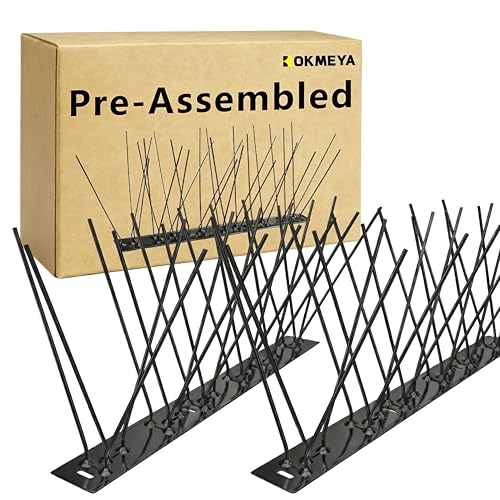
- Stainless steel bird feeder deterrent spikes for blackbirds protection
- Retractable bird netting to protect feeders from blackbirds
- Solar ultrasonic bird repeller for blackbird deterrence at feeders
- Reflective aluminum scare tape to deter blackbirds at feeders
- Bird feeder dome shield guard to block blackbird access
- Standard feeder cleaning supplies and protective gloves


Before You Start
Before installing deterrents, assess the feeder setup: location relative to trees, fences, and sun exposure. Ensure all products are compatible with your feeder model and mounting hardware. Time estimates vary by yard size but plan for 1–2 hours for initial installation and 15–30 minutes for adjustments over the first week. Safety notes include wearing gloves during installation and keeping pets away from running lines. Avoid methods that could injure birds or create hazards for humans.
Step-By-Step: How To Deter Blackbirds At Feeders
- Inspect the feeder for existing wear and secure mounting points to prevent wobble that could attract birds.
- Install the stainless steel bird feeder deterrent spikes for blackbirds protection along perches and edges where birds typically land.
- Attach the bird feeder dome shield guard to block blackbird access to main feeding ports while leaving space for other species.
- Mount the reflective aluminum scare tape in a crisscross pattern or along the feeder canopy to create motion and light reflections that deter blackbirds.
- Set up the solar ultrasonic bird repeller for blackbird deterrence at feeders at a distance recommended by the manufacturer, ensuring it is oriented away from living spaces.
- Unfold and position the retractable bird netting to protect feeders from blackbirds over the feeding area during peak hours, retracting when not needed.
- Test each component during a low-traffic period, noting any interference with seed flow or disliked by non-target birds.
- Monitor seed levels and refill as needed, but avoid overfilling which can attract more birds.
- Rotate deterrents seasonally or as bird activity shifts to maintain effectiveness without overstimulation.
- Document changes and adjust placement to optimize access for desired species while limiting blackbird presence.
Troubleshooting
| Symptom | Likely Cause | Fix | Prevention |
|---|---|---|---|
| Blackbirds still perch on the feeder | Deterrents not in the correct location | Reposition spikes and dome shield to create immediate landing barriers | Regularly inspect and adjust deterrents seasonally |
| Deterrents appear damaged | Exposure to weather or improper installation | Secure mounting, replace worn spikes or netting | Use weatherproof materials and check monthly |
| Non-target birds avoided the feeder | Overly aggressive barriers | Scale back deterrents or adjust height and angle | Introduce gradual changes and monitor species mix |
| Netting tangles with seed dispenser | Improper netting tension | Retighten and test for smooth operation | Choose netting with appropriate mesh size for birds |
Common Mistakes
- Overly aggressive barriers that block all birds from the feeder for long periods
- Ignoring regular maintenance leading to faulty deterrents
- Using only one method instead of a layered approach
- Positioning deterrents too close to human activity, creating nuisance
Tips For Best Results
- Combine multiple deterrents rather than relying on a single tool to reduce blackbird adaptation.
- Rotate deterrent types seasonally to prevent birds from becoming habituated.
- Keep feeders clean and accessible to smaller birds by using seed blends suited for finches and sparrows.
- Guard seed from rain and moisture to maintain cleanliness and reduce attractants for pests.
- Balance aesthetics with function; choose discreet installation locations to preserve yard appeal.
Call A Professional
If blackbird pressure persists after several weeks of layered deterrents, consider consulting a wildlife control professional. Stop signs include persistent nesting behavior, damage to structures, or evidence of wildlife distress. A professional can assess legality and humane options tailored to local regulations and your yard.
FAQ
What is the most effective deterrent for blackbirds?
Layered deterrents—spikes, dome shields, netting, and reflective tape—often yield the best results with minimal impact on non-target species.
Can I use a single deterrent year-round?
Yes, but effectiveness often declines as birds habituate. Rotate deterrents and adjust placement seasonally.
Will these methods harm blackbirds?
All recommended methods are non-lethal and designed to deter rather than injure birds.
How long does it take to see results?
Results can appear within days to weeks, depending on bird pressure and consistent application of deterrents.
Are deterrents safe for pets?
Yes, when properly installed and kept out of reach of curious pets.
Do I need to remove deterrents at night?
Some deterrents can stay in place; others with motion or noise triggers should be set to operate during active feeding hours.
Can I attract other birds while deterring blackbirds?
Yes, by offering seed blends favored by smaller species and placing feeders where they are visible but not overrun by large flocks.
Buying Guide
When choosing deterrents and accessories to combat blackbirds at feeders, consider size, placement, and compatibility with existing feeders. Think about noise and light exposure, energy efficiency for solar options, and ease of use. Compare options by coverage area, installation effort, and maintenance needs. Questions to ask include: Will the deterrent affect non-target birds? How weather-resistant is the product? Is the setup reversible if yard conditions change?
Key buying factors include size and capacity of the protection system to cover perches and feeding zones, noise levels from ultrasonic units, energy efficiency for solar devices, and simple controls for quick adjustments. For placement, ensure deterrents are positioned to maximize coverage without creating hazards to people and pets. If possible, choose a product family that allows combining several deterrents for a cohesive, adaptable defense against blackbirds at feeders.