Artificial sweeteners can leave a lingering aftertaste that affects taste perception and overall mouthfeel. This guide provides practical, evidence-based steps to minimize or eliminate that aftertaste using common dental care tools and routines. The focus is on safe, American-friendly methods that integrate seamlessly into daily oral hygiene.
Quick Answer
Rinse and brush consistently with a gentle, alcohol-free antiseptic mouthwash to freshen breath, followed by thorough brushing with activated charcoal toothpaste. Floss or use a water flosser to remove residue between teeth, and consider a stainless steel tongue scraper to reduce taste-causing buildup. If the aftertaste persists, replace oral care components with new ones and consult a professional if needed.
What You’ll Need
- Stainless steel tongue scraper (medical grade)
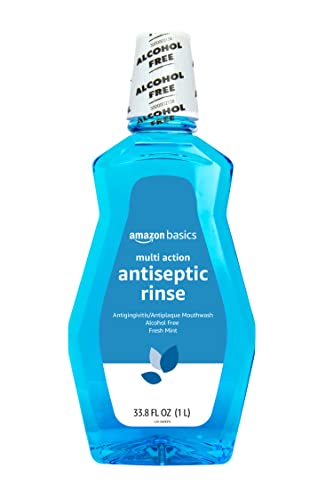
- Alcohol-free antiseptic mouthwash 250ml
- Water flosser for dental hygiene tips
- Activated charcoal toothpaste 3.5oz
- Oral irrigator replacement nozzle kit


Before You Start
Before beginning any routine change, consider the source of the aftertaste. Dietary triggers, medications, and oral health conditions can influence taste. Start with a clean mouth and avoid heavy, lingering flavors right after brushing. Always follow label directions on mouthwash and toothpaste. Plan for a two-week trial to assess changes, and adjust frequency if irritation occurs.
Step-By-Step: How To Reduce Artificial Sweetener Aftertaste
- Rinse with alcohol-free mouthwash for 30–60 seconds to freshen breath and neutralize lingering flavors.
- Brush teeth using an activated charcoal toothpaste. Use gentle circular motions for 2 minutes, ensuring all surfaces are covered.
- Lightly brush the tongue with the toothbrush or use a stainless steel tongue scraper to remove buildup contributing to taste disturbances.
- Use a water flosser to clean along the gumline and between teeth, focusing on hard-to-reach areas where sweetener residue may accumulate.
- Refrain from acidic or highly flavored foods immediately after brushing to prevent masking or sustaining aftertaste.
- Rinse again with plain water after brushing to remove any toothpaste trace that could interact with flavors later in the day.
- Replace the tongue scraper or nozzle kit every few months or as recommended by the manufacturer to maintain hygiene effectiveness.
- Consider alternating mouthwash times; if sensitivity occurs, reduce alcohol-free mouthwash usage to once daily.
- Monitor water intake and saliva production; staying hydrated supports natural taste restoration and reduces dry mouth that can heighten aftertaste.
- Keep a log for two weeks noting meals and taste changes to identify persistent patterns or triggers.
- If aftertaste remains persistent, consult a dental professional for a comprehensive check—cavities, gum disease, or dental appliances can influence taste perception.
- Optionally, use a gentle oral irrigator replacement nozzle kit to maintain consistent cleaning without over-pressurizing sensitive areas.
Troubleshooting
| Symptom | Likely Cause | Fix | Prevention |
|---|---|---|---|
| Persistent sweet aftertaste after brushing | Residue on tongue or between teeth | Clean tongue with scraper; re-brush with charcoal toothpaste | Routine tongue cleaning after meals |
| Bad taste after using mouthwash | Overly strong flavor or irritation | Switch to a milder alcohol-free formula | Rinse with plain water after use |
| Dry mouth contributing to taste issue | Low saliva production | Increase hydration, chew sugar-free gum | Avoid caffeine/alcohol; consider saliva-friendly routines |
| Discomfort with tongue scraper | Gum or enamel sensitivity | Switch to a softer tool or reduce pressure | Consult a clinician if sensitivity persists |
Common Mistakes
- Relying solely on mouthwash without brushing or tongue cleaning
- Overusing charcoal toothpaste and abrasives that can wear enamel
- Using mouthwash right before eating, which can dull taste temporarily
- Ignoring hydration and dry mouth as a contributing factor
Tips For Best Results
- Pair brushing with tongue cleaning as a routine to minimize taste-causing residues.
- Choose an alcohol-free mouthwash to avoid drying effects that may worsen taste issues.
- Replace abrasive tools periodically to maintain effective cleaning without harming enamel.
- Keep a consistent schedule: brush twice daily, floss or irrigate daily, and rinse per product directions.
- Experiment with placement of care tools near meals to maintain fresh breath during the day.
Call A Professional
Consider contacting a dentist or hygienist if:
- The aftertaste persists beyond two weeks despite consistent care.
- You notice changes in taste alongside swelling, bleeding gums, or plaque buildup.
- You wear dental appliances or braces and experience unusual taste that does not resolve with routine cleaning.
Early professional guidance can identify underlying issues such as dental decay, gum disease, or sensorium-related concerns that home care cannot resolve.
FAQ
Can mouthwash alone fix the aftertaste?
Mouthwash can help, especially an alcohol-free formula, but it works best when combined with brushing and tongue cleaning.
Is activated charcoal toothpaste safe for daily use?
Charcoal toothpaste can be effective for staining and odor control, but use it in moderation to avoid enamel wear. Follow manufacturer guidelines.
Do tongue scrapers really make a difference?
Yes, removing tongue buildup can significantly reduce residual flavors and improve overall breath freshness.
When should I see a dentist for taste changes?
If taste changes persist for more than two weeks or are accompanied by pain, swelling, or swallowing difficulties, seek professional evaluation promptly.
Are there dietary changes that help with aftertaste?
Staying hydrated, limiting heavy artificial sweeteners, and avoiding extremely acidic foods right after brushing can support taste normalization.
Can a nozzle kit improve hygiene between teeth?
Yes, using an oral irrigator nozzle kit can enhance cleaning in interdental areas, supporting taste-related improvement when used as directed.
Buying Guide
Choosing the right tools to reduce artificial sweetener aftertaste involves several factors. Size matters for travel-friendly routines, while noise level affects comfort during early morning or late-night sessions. Energy efficiency is less critical for manual devices, but consider battery life for electric options like water flossers. Controls should be intuitive, with clear on/off and pressure settings. Placement—whether a countertop setup or under-sink storage—affects ease of use. When comparing products, look for:
- Stainless steel tongue scraper: durability, medical-grade materials, ease of cleaning
- Alcohol-free antiseptic mouthwash: gentle on tissues, effective against bacteria, no drying alcohol
- Water flosser: adjustable water pressure, replaceable nozzles, reservoir capacity
- Activated charcoal toothpaste: abrasive level, flavor, fluoride content
- Oral irrigator replacement nozzle kit: compatibility, cleanability, ease of replacement
To maximize results, combine products in a routine that targets tongue buildup, interdental plaque, and fresh breath maintenance. Ask yourself what fits your daily schedule, whether you want quick daily refreshers or a deeper-clean routine. If replacement parts are included, consider long-term costs and availability to ensure sustained benefit.