Mulch beds offer beauty and moisture management for garden plants, but they can attract ants seeking shelter and food. This guide provides a clear, practical approach for homeowners to reduce ant activity in mulch beds using common outdoor products. It emphasizes safe, effective methods while preserving beneficial soil organisms and plant health.
Quick Answer
Apply a combination of targeted bait stations and topical treatments to disrupt the ants’ foraging and nest-building. Start with granular ant bait for outdoor mulch beds at the perimeter or near activity, pair with a garden-safe outdoor ant killer spray for garden beds mulch, and consider food grade diatomaceous earth for ants in mulch beds as a physical barrier. Reapply as needed and monitor for new activity.
What You’ll Need
- Granular ant bait for outdoor mulch beds
- Outdoor ant killer spray for garden beds mulch
- Ant bait stations for landscape beds
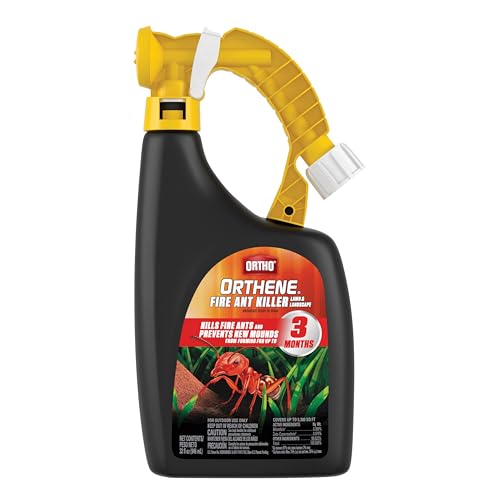
- Hose-end insecticide spray for ants in mulch
- Food grade diatomaceous earth for ants in mulch beds


Before You Start
Survey the area to identify ant activity patterns—entry points, trails, and nesting sites. Clear debris from mulch beds to reduce harborage and ensure treatments reach target areas. Wear gloves and follow label directions on all products. Keep children and pets away until treated areas are dry. Expect multiple applications over several weeks as colonies are targeted in stages. Time estimate: 30–60 minutes for initial setup, plus follow-up as needed.
Step-By-Step: How To Get Rid Of Ants In Mulch Beds
- Locate ant trails and nests in or around mulch beds to prioritize treatment zones.
- Place ant bait stations for landscape beds near the main trails but away from mulch depths that could hinder station access.
- Distribute granular ant bait for outdoor mulch beds along the edges and around the plant bases to intercept workers before they reach nesting areas.
- Spray a light, targeted layer of outdoor ant killer spray for garden beds mulch on foliage bases and within the mulch surface where activity is evident.
- Apply hose-end insecticide spray for ants in mulch according to label directions to reach deeper thatch layers without oversaturation.
- Dust or sprinkle food grade diatomaceous earth for ants in mulch beds in dry, calm conditions along trails and near entry points for a physical barrier.
- Reassess activity after 7–10 days; reapply bait stations and sprays to the most active zones as needed.
- Monitor for new colonies and relocate or adjust placements if ants shift to different beds or paths.
Troubleshooting
| Symptom | Likely Cause | Fix | Prevention |
|---|---|---|---|
| Ants return after treatment | Insufficient bait uptake or hidden nests | Increase bait station placement and reapply bait after a week | Seal entry points and keep mulch trimmed back from foundations |
| Spray seems ineffective | Inadequate coverage or incorrect product for species | Switch to a complementary product and target base of plants | Label-compliant rotations to prevent resistance |
| Dishomogeneous mulch moisture | Overwatering or compacted mulch | Improve drainage and aeration; avoid waterlogged zones | Avoid excessive irrigation near beds |
| Non-target impact on beneficials | Overuse of broad-spectrum sprays | Targeted applications and reduced frequency | Use physical barriers like diatomaceous earth where possible |
Common Mistakes
- Using a single method or product and expecting all ants to disappear quickly.
- Applying repellents that repel ants away without killing colonies.
- Ignoring moisture and plant health; damp mulch can invite more insects.
- Over-watering mulch bed soil, which can attract more pests and fungi.
Tips For Best Results
- Combine tactics: bait stations plus topical sprays and a physical barrier with diatomaceous earth for a multi-pronged approach.
- Time applications for dry, mild conditions to maximize product effectiveness and reduce wash-off.
- Place bait stations away from direct sun to prevent bait degradation while keeping them accessible to foraging ants.
- Maintain mulch depth at a manageable level (3–4 inches) to reduce nesting pockets and improve spray penetration.
- Keep a maintenance schedule to observe shifts in ant activity and adjust accordingly.
Call A Professional
Consider contacting a licensed pest control professional if there is a persistent, large infestation or if nesting appears to involve invasive species such as carpenter ants. Signs to seek help include nests in structural wood adjacent to mulch beds, sudden large swarms, or repeated treatment failures over several weeks. A pro can identify species, use targeted treatments, and provide integrated pest management guidance.
FAQ
What is the best initial treatment for ants in mulch beds?
Start with bait stations to target foraging workers and supplement with targeted sprays for immediate suppression.
Can diatomaceous earth harm plants or helpful insects?
Food-grade diatomaceous earth is relatively safe for plants when used as directed, but avoid excessive amounts and apply in dry conditions to minimize drift to non-target organisms.
How often should I reapply ant bait stations?
Reapply every 7–14 days or after heavy rain, ensuring stations remain accessible and active.
Are there eco-friendly options for mulch bed ants?
Yes—combine diatomaceous earth with baits and selective sprays labeled for outdoor use in mulch beds to minimize environmental impact.
When is spraying not enough and I should call a pro?
If ants persist after two or more treatment cycles or if carpenter ant activity is detected, consult a licensed professional.
Can mulch type affect ant activity?
Yes. Dense organic mulches can shelter nests; adjusting mulch depth and removing debris reduces nesting opportunities.
Buying Guide
When selecting products for ants in mulch beds, consider size, noise level, energy efficiency, controls, and placement. For example, granular ant bait for outdoor mulch beds provides long-lasting control along the perimeter, while outdoor ant killer spray for garden beds mulch offers rapid knockdown in targeted zones. Ant bait stations for landscape beds are convenient for ongoing monitoring, and hose-end insecticide spray for ants in mulch allows flexible coverage. Finally, food grade diatomaceous earth for ants in mulch beds delivers a low-toxicity barrier that readers can safely layer into a broader plan. When comparing options, look for labeled use in mulch beds, weather resistance, and safety data for pets and children. A balanced mix of baits, sprays, and barrier methods tends to yield the best, sustained results. Do you prefer a fast-acting spray approach or a longer-lasting bait-based system? Consider your landscape layout and maintenance routine to pick the right combination.