Pet urine odors, especially ammonia-rich smells, can linger on carpets, upholstery, and hard floors. This guide outlines practical, step-by-step methods using enzyme cleaners and odor-removing tools to restore a fresh, neutral environment for homes with pets.
Quick Answer
Act quickly, blot excess moisture, treat with an enzymatic cleaner designed for pet urine, and follow up with a deodorizing system. For stubborn odors, use a UV light to locate hidden spots, then re-treat and ventilate thoroughly. If odors persist after cleaning, consider options like a carpet steam cleaner or a professional service.
What You’ll Need
- Enzyme cleaner for pet urine ammonia odor 32 oz
- Pet urine stain remover enzymatic cleaner spray 24 oz
- Carpet steam cleaner for pet urine removal
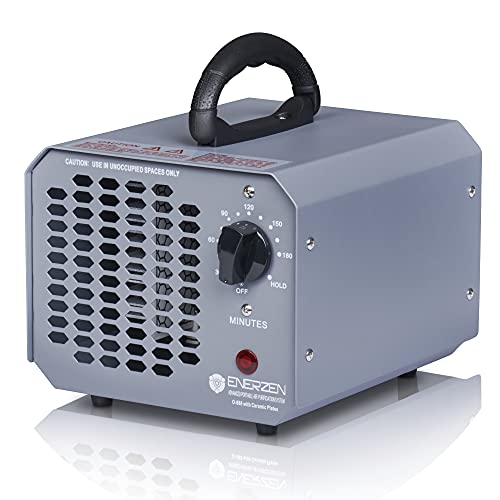
- Ozone generator pet odor remover room tool
- UV blacklight flashlight for locating pet urine stains


Before You Start
Prepare the area by removing furniture and protecting nearby surfaces. Avoid diluting enzyme cleaners with hot water as heat can set stains. Test cleaners on a small, inconspicuous area to ensure colorfastness. Allow ample time for ventilation and dry weather—odor-causing ammonia is volatile, and fresh air aids removal.
Step-By-Step: How To Remove Ammonia Smell From Pet Urine
- Identify affected areas with a UV blacklight flashlight to reveal hidden urine traces.
- Blot up as much liquid as possible with clean towels or paper towels, working from the outside of the stain inward.
- Apply the enzyme cleaner for pet urine ammonia odor according to label directions, ensuring the stain is fully saturated.
- Allow the enzymatic cleaner to dwell for the recommended time to break down organic compounds.
- If odors persist, mist the area with the pet urine stain remover enzymatic cleaner spray to bolster enzymatic action.
- Use a carpet steam cleaner for pet urine removal on carpets and rugs after enzymatic treatment, following machine instructions.
- For persistent rooms, operate the ozone generator pet odor remover room tool in a well-ventilated space, adhering to safety guidelines.
- Ventilate the area thoroughly after treatment and allow surfaces to dry completely before reoccupying the space.
- Inspect the area again with the UV light after drying; re-treat any remaining traces as needed.
- Regular maintenance: repeat cleaning for high-traffic pet areas and consider scent-blocking remedies for future odors.
- Dispose of used towels properly and wash hands after handling treated surfaces.
- If multiple rooms show ammonia odors, repeat the process for each area and evaluate if professional cleaning is advisable.
Troubleshooting
| Symptom | Likely Cause | Fix | Prevention |
|---|---|---|---|
| Smell lingers after cleaning | Hidden urine spots or insufficient enzyme action | Re-treat with enzymatic cleaner; extend dwell time | Use UV light regularly to catch early stains |
| Discoloration after cleaning | Cleaner residue or over-wetting | Rinse lightly or re-apply enzyme cleaner, dry thoroughly | Test on small area; follow label guidance |
| Odor returns after a few days | Soil beneath surface or porous padding | Deep-clean or steam clean affected carpet layers | Place barrier covers in high-traffic zones |
| Stains visible but no odor | Residual mineral deposits | Brush and rinse; use cleaner designed for mineral residues | Prevent leakage by potty-training and protection mats |
Common Mistakes
- Using bleach or ammonia cleaners themselves in an attempt to mask odor
- Waiting too long to clean up after urination
- Over-wetting carpets, which can spread odors to padding
- Failing to ventilate after using odor-removal tools like ozone generators
Tips For Best Results
- Always follow label directions for enzymatic cleaners and test on a small area first.
- Use a combination of enzymatic cleaners and steam cleaning for thorough odor removal on fabrics and carpet.
- Pair UV-guided spot cleaning with strategic ventilation to minimize lingering smells.
- Schedule regular odor checks in common pet areas to catch issues early.
Call A Professional
Seek professional help if odors persist after repeated home treatments, or if urine has penetrated deep into padding or subfloor. Stop and consult a pro if moisture is trapped behind walls, if there are mold signs, or if the affected area is large or in a commercial setting with ongoing pet exposure.
FAQ
Can ammonia odor be removed from all surfaces?
Most household textiles and carpets respond well to enzymatic cleaners and steam cleaning, but porous subfloors may require professional remediation.
How long does odor removal take?
Initial treatment can show results within hours, but complete remediation may take 24–72 hours depending on materials and drying conditions.
Are ozone generators safe for homes with pets?
Ozone generators should be used only in unoccupied spaces and with proper ventilation, following safety guidelines and product instructions.
Will UV light alone locate all stains?
UV light helps locate dried or hidden urine but may not reveal all residues; combine with thorough cleaning for best results.
Should I replace carpet padding after a urine incident?
Padding may retain odors; if odors persist after cleaning or there is persistent staining, replacement can be necessary.
Is there a difference between enzymatic and non-enzymatic cleaners?
Enzymatic cleaners break down organic compounds in urine, reducing odor more effectively than non-enzymatic cleaners.
Buying Guide
When choosing products to tackle ammonia smells from pet urine, consider size, scent-neutralizing power, and compatibility with surfaces. A comprehensive kit often includes an enzymatic cleaner (32 oz or larger), a spray for spot treatment, a carpet-cleaning solution, and odor-control tools like an ozone generator or UV locator. Pay attention to the following factors:
- Size and coverage: Larger bottles reduce the need for frequent purchases in busy households.
- Enzymatic efficacy: Look for cleaners proven to target ammonia and organic residues from pet urine.
- Surface compatibility: Ensure products work on carpet, upholstery, hardwood, and tile as needed.
- Drying time: Quicker drying helps minimize resoiling and odor return.
- Safety and ventilation: Some odor-removing devices require ventilation or occupancy restrictions during use.
- Noise and energy use: Carpet steam cleaners and odor-removal devices vary in power; compare noise levels and energy efficiency for comfort and cost.
- Placement and storage: Store cleaning supplies safely away from children and pets; plan storage near high-traffic pet areas for quick access.
Consider a bundled approach that combines enzymatic cleaners with steam cleaning for fabrics and carpets, and reserve ozone or UV tools for severe or hidden odors. If shopping in a store, ask for recommendations targeted to ammonia odors and pet urine.