Algae blooms are a common concern for freshwater and reef aquariums alike. Proper diagnosis and a combination of maintenance, lighting control, and targeted tools can help restore balance without stressing aquatic life. This guide walks through practical steps, recommended products, and best practices to reduce algae growth safely.
Quick Answer
Street-smart plan: reduce light exposure, perform regular water testing, siphon the gravel, and use targeted tools like a magnetic algae scraper for glass aquarium and phosphate remover for freshwater aquarium to address root causes. Monitor ammonia, nitrite, and nitrate with a test kit, and consider a UV sterilizer inline unit for persistent issues.
What You’ll Need
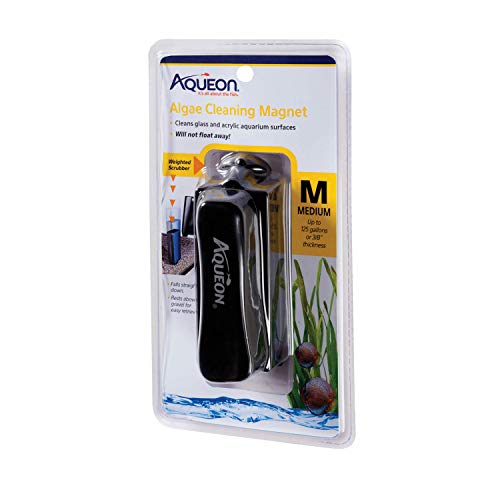
- Magnetic algae scraper for glass aquarium
- Aquarium gravel vacuum siphon
- Aquarium water test kit ammonia nitrite nitrate
- Phosphate remover for freshwater aquarium
- UV sterilizer aquarium inline unit


Before You Start
Before tackling an algae bloom, ensure the tank inhabitants are not stressed by sudden changes. Check lighting duration and intensity, perform partial water changes, and test water parameters. Critical cautions include avoiding sudden pour-over changes that spike ammonia or pH, and ensuring the UV sterilizer is appropriate for the tank size to prevent over-sterilization of beneficial bacteria.
Time estimates vary: small tanks may respond in 1–2 weeks with consistent maintenance; larger setups may require several weeks. Plan for incremental changes rather than all-at-once adjustments.
Step-By-Step: How To Stop An Algae Bloom
- Assess lighting: reduce photoperiod to 6–8 hours per day and replace any outdated or overly bright bulbs. Consider a timer to maintain consistency.
- Test water quality: run an aquarium water test kit ammonia nitrite nitrate to determine nutrient levels and ammonia spikes that feed algae.
- Address nutrients: if nitrate or phosphate levels are elevated, apply phosphate remover for freshwater aquarium and perform partial water changes to dilute excess nutrients.
- Clean the tank exterior and interior: use a magnetic algae scraper for glass aquarium to remove surface and glass algae without disturbing substrate.
- Siphon the gravel: use aquarium gravel vacuum siphon to remove detritus and organic matter from the substrate that fuels algae growth.
- Perform water changes: replace 10–25% of tank water with conditioned, temperature-matched water. Re-test after changes to confirm parameter shifts.
- Consider filtration improvements: ensure biological filtration remains intact during cleaning and consider a UV sterilizer inline unit if algae persist or in high-bioload tanks.
- Rebalance plants and competition for nutrients (optional): add fast-growing aquatic plants or supplement with appropriate dosing if plant competition helps suppress algae without overfeeding fish.
- Re-test weekly: monitor ammonia, nitrite, nitrate, and phosphate to ensure levels stay low and stable as the ecosystem recovers.
- Prevent recurrence: set a routine for water changes, nutrient control, and regular cleaning to keep algae in check long-term.
- Escalation plan: if blooms persist despite these measures, consider consulting a tank specialist for in-depth diagnosis.
Troubleshooting
| Symptom | Likely Cause | Fix | Prevention |
|---|---|---|---|
| Green, cloudy water | Excess nutrients and light exposure | Reduce light, perform water changes, use phosphate remover | Regular maintenance schedule |
| Algae on decor only | Imbalanced nitrate or phosphate levels | Test and adjust nutrients; clean decor with siphon | Monitor nutrient inputs and avoid overfeeding |
| Hair algae growth | Nitrite/nitrate spike, too much light | Lower light and reduce nutrients; siphon regularly | Balanced feeding and stable parameters |
| Reflection of green film on glass | Biofilm with nutrient availability | Scrape glass, check filtration | Routine maintenance and proper lighting |
Common Mistakes
- Overfeeding the fish, which raises nutrient levels
- Overly long light exposure or bright, spectrum-heavy bulbs
- Neglecting substrate cleaning, allowing detritus to accumulate
- Relying on a single fix (e.g., only a UV sterilizer) without addressing nutrients
In practice, algae control works best when multiple factors are addressed together rather than in isolation.
Tips For Best Results
- Keep a consistent maintenance schedule with predictable water changes
- Use a test kit regularly to track ammonia, nitrite, nitrate, and phosphate
- Combine mechanical cleanup (magnetic scraper) with substrate cleaning (gravel vacuum)
- Introduce or maintain beneficial plants to outcompete algae for nutrients
- Consider inline UV sterilization only if algae blooms are recurrent and water quality is otherwise stable
Call A Professional
Seek professional help if: the tank hosts sensitive species or the bloom persists despite consistent efforts; parameters remain unstable; there are signs of disease or distress in fish; or you must support a heavily planted or delicate aquarium ecosystem requiring precise nutrient management.
FAQ
What causes an algae bloom in a fish tank?
Common causes include excess light, high nutrient levels (nitrates and phosphates), and insufficient water changes. Regular monitoring helps prevent blooms from taking hold.
Can I use a UV sterilizer to treat algae?
A UV sterilizer can help reduce pathogens and some algae in persistent cases, but it should be used as part of a broader maintenance plan rather than a sole solution.
Which tools are essential for algae control?
A magnetic algae scraper for glass aquarium and aquarium gravel vacuum siphon are core tools, complemented by a comprehensive aquarium water test kit and nutrient management products.
How often should I test water parameters?
Test weekly during an active bloom and after significant maintenance or water changes; otherwise, monthly checks are common.
Should I remove all algae manually?
It is safe to remove visible algae, but avoid scraping off encrusted growth blindly; address root causes first and monitor for rebound growth.
When is it necessary to call a pro?
Call a professional if algae recurs despite adherence to maintenance, if livestock show distress, or if parameter swings are frequent and unexplained.
Are algae always harmful?
Not always; some algae support a balanced ecosystem, but blooms can indicate nutrient imbalances that require attention.
Buying Guide
Choosing the right equipment for algae control depends on tank size, inhabitants, and maintenance goals. Consider the following factors:
- <bSize and Tank Type: Match tools to your aquarium dimensions; larger tanks may benefit from more robust cleaning tools and filtration upgrades.
- <bNoise Level: For living rooms or offices, select quiet devices like inline units and low-noise pumps.
- <bEnergy Efficiency: Look for energy-efficient pumps and LED lighting that can be programmed to reduce end-user energy use.
- <bControls: Timers and adjustable controllers help maintain consistent lighting and filtration cycles, preventing blooms.
- <bPlacement: Consider inline devices like UV sterilizers installed in the filter loop versus standalone presets, depending on tank configuration.
When evaluating products, think about how each item supports a balanced ecosystem: the magnetic algae scraper for glass aquarium for regular cleaning, the aquarium gravel vacuum siphon for detritus removal, the aquarium water test kit ammonia nitrite nitrate to track safety, the phosphate remover for freshwater aquarium to manage nutrients, and the UV sterilizer aquarium inline unit as an adjunct for stubborn cases. A well-rounded kit aligns with your tank’s size, inhabitants, and maintenance cadence.