Cleaning wrenches keeps tools functioning smoothly and extends their life. This guide focuses on practical methods using common rust-removal and cleaning products, while emphasizing safety and surface care. Whether your wrenches are chrome-plated, stainless steel, or aged with surface rust, the steps below help restore their finish and performance.
Quick Answer
For most wrenches, start with a light degreasing, then remove rust with a rust remover spray or a wire brush, scrub with a nylon bristle brush, rinse, dry, and apply a thin protective coat. For stubborn rust, repeat with a scouring pad and oil before storage.
What You’ll Need
- Rust remover spray for metal tools wrenches
- Wire brush set for rust removal on hand tools
- Tool degreaser spray stainless steel wrenches
- Nylon bristle brush hand tool cleaning wrench
- Scouring pad rust remover oil for wrenches


Before You Start
Prepare a well-ventilated workspace and wear eye protection and gloves. Inspect each wrench for damage or pitting; severely corroded tools may need replacement. Assemble cleaning supplies within easy reach to minimize handling time. Time estimates vary: light cleaning 15–30 minutes, heavy rust removal 45–90 minutes per set. Always follow label directions on rust removers and degreasers, and avoid mixing chemicals in confined spaces.
Step-By-Step: How To Clean Wrenches
- Apply a light layer of tool degreaser spray to remove oil and grime from chrome or stainless steel wrenches.
- Let the spray sit for 1–3 minutes, then wipe with a clean cloth to remove built-up residue.
- For rust spots, spray rust remover on the affected areas and let it work as directed on the label.
- Use a wire brush set to gently scrub away loosened rust; switch to a nylon bristle brush for delicate finishes to prevent scratching.
- If rust persists, apply a scouring pad with mild pressure and work in small circular motions until the metal surface is cleaner.
- Rinse or wipe down the wrenches to remove chemical residues, then dry thoroughly with a clean cloth.
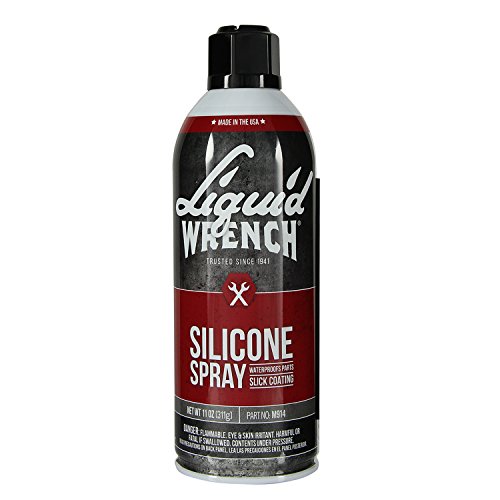
- Reapply a light protective oil or a silicone-based rust inhibitor on chrome and stainless surfaces to deter future corrosion.
- Inspect each tool again for any remaining rust, repeating the process on stubborn areas if needed.
- Store wrenches in a dry area with airflow, ideally in a tool chest or on a rack to prevent moisture buildup.
- Label tools that require special care (e.g., stainless steel vs chrome-vanadium) to ensure compatible maintenance in the future.
- Periodically re-clean and re-oil wrenches as part of routine tool maintenance to extend life and performance.
Troubleshooting
| Symptom | Likely Cause | Fix | Prevention |
|---|---|---|---|
| Remaining rust after cleaning | Severe pitting or surface rust | Reapply rust remover and scrub with a scouring pad; replace if pitting is deep | Dry thoroughly after use; store in low-humidity areas |
| Discolored finish on chrome wrenches | Excessive aggressive brushing | Switch to nylon bristle brush and gentler pressure | Use proper cleaners and avoid abrasive pads on delicate finishes |
| Tools feel sticky after degreasing | Residual cleaner or oil on surface | Wipe with a clean, dry cloth and rinse if needed | Use a minimal amount of degreaser and rinse completely |
| Rust returns after storage | Moisture exposure or sweating from storage area | Apply a thin film of protective oil and ensure dry storage | Store in a dry cabinet or with desiccants |
Common Mistakes
- Overusing aggressive abrasives that scratch chrome finishes
- Using metal brushes on soft or plated surfaces
- Skipping thorough drying before oiling or storage
- Mixing cleaners with incompatible chemicals
- Neglecting regular maintenance after cleaning
Keeping a routine schedule helps prevent rust buildup and preserves tool integrity without constant deep cleaning.
Tips For Best Results
- Test cleaners on a small area first to ensure compatibility with your wrench finish.
- Use heat to speed up drying in a well-ventilated area if needed, but avoid direct high heat on plastic-inflicted grips.
- Wipe tools dry immediately after cleaning to reduce moisture exposure.
- Consider storing wrenches with desiccant packs or in a climate-controlled space for best long-term results.
- Label tools that require different care, so future cleaning sessions follow the proper procedure.
Call A Professional
Seek professional help if a wrench shows deep pitting, warped surfaces, or compromised chrome plating that affects tool strength. Stop using any tool that has significant corrosion that could lead to tool failure under load. If you are unsure about the correct cleaning agents for sensitive finishes, consult a professional tool care service.
FAQ
What’s the safest cleaner for chrome wrenches?
Use a mild degreaser and a nylon brush to avoid scratching chrome plating, then dry thoroughly.
Can rust remover sprays be used on stainless steel?
Yes, but follow the label instructions and rinse well to prevent chemical residues.
How often should I clean and oil my wrenches?
Clean and oil after heavy use or when you notice grime or rust beginnings; a quarterly maintenance is sensible for most workshops.
Is it okay to store wrenches damp after cleaning?
No. Always ensure tools are completely dry before storage to avoid new rust formation.
Buying Guide
When selecting cleaning and rust-prevention products for wrenches, consider size, compatibility, and storage. Key factors include:
- Size compatibility: Choose rust removers and degreasers that work with metal types in your kit (chrome, stainless, or coated tools).
- Noise level and odor: Some sprays have strong scents or emit fumes; opt for low-odor formulas if possible.
- Energy efficiency in the sense of minimal chemical use and quick-drying properties to save time and effort.
- Controls: Look for spray bottles with precise nozzles to avoid waste and overspray on adjacent tools.
- Placement: Store cleaned wrenches in a dry, ventilated area; avoid stacking in a damp bin.
For many households, a simple kit with a rust remover spray, a wire brush set, a nylon bristle brush, a degreaser, and a scouring pad provides a complete approach to keeping hand tools in good condition. If your shop houses a mix of chrome, stainless, and coated tools, an adaptable kit with multiple cleaning options helps cover all scenarios without overcomplicating the routine. Would you like help choosing a specific combination based on your tool collection and storage setup?