Wool coats combine warmth with timeless style, but cleaning them requires care to maintain texture, shape, and longevity. This guide provides practical, user-friendly steps to refresh a wool coat without damaging fibers or color. From removing light lint to addressing stains, readers will learn how to clean wool coats properly at home.
Quick Answer
Best overall approach: For routine maintenance, start with a lint roller, then use a garment steamer for surface wrinkles and light refresh. For pills, a fabric shaver helps, and for deep cleaning, use a wool-friendly detergent and stain remover without bleach. Avoid hot water and high heat to protect fibers.
What You’ll Need
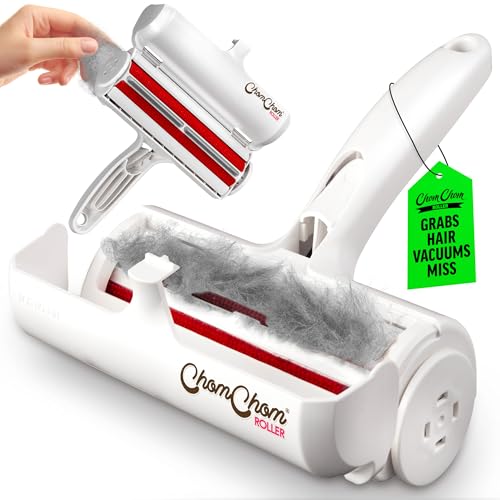
- Lint roller for wool coat fabric hair removal
- Garment steamer for wool coat
- Fabric shaver for wool coat pills
- Wool coat delicate wash detergent
- Stain remover for wool coats sans bleach


Before You Start
Before beginning the cleaning process, inspect the coat for care label instructions. Test any product on a hidden fabric area to ensure colorfastness. Clear a clean workspace and lay a towel or protective mat to catch lint or drips. Plan a cleaning session that fits the coat’s weight and your schedule; most steps can be completed in under an hour, with drying time varying by humidity and ventilation. Never use hot water on wool; avoid chlorine bleach and high-heat drying methods to prevent felting or shrinkage.
Step-By-Step: How To Clean A Wool Coat
- Begin with a lint roller for wool coat fabric hair removal to lift surface debris, dust, and pet hair before any moisture contact.
- Spot clean visible stains using stain remover for wool coats sans bleach following product directions specific to wool fibers.
- Fill a basin with cool to lukewarm water and add wool coat delicate wash detergent in a recommended amount. Submerge lightly if the coat is washable per label; otherwise, lightly dampen and hand-wipe.
- Gently agitate the soapy area with your hands, focusing on soiled spots. Do not wring or twist; support the fabric to avoid distortion.
- Rinse with clean, cool water. Avoid agitation that could felt wool by using minimal movement and thoroughly but gently rinsing away soap.
- For wrinkles and refreshing fabric, use a garment steamer for wool coat. Hold the steamer a few inches away and use vertical passes to relax fibers without saturating the coat.
- If pills are present, carefully remove them with a fabric shaver for wool coat pills, applying light pressure and shaving in the direction of the weave.
- Air dry flat or on a padded hanger in a well-ventilated area away from direct heat or sunlight. Do not tumble dry; wool can shrink or distort under heat.
- Once dry, use the lint roller for wool coat fabric hair removal again to remove any lint or surface fuzz that appeared during drying.
- Check fit and shape. If there are lingering odors, consider repeating a gentle wash or using a fabric refresher that is safe for wool, avoiding heavy sprays near the lining.
- Store clean coats properly: on a wide, padded hanger, in a breathable garment bag, away from moth-prone areas.
- For areas resistant to cleaning, or for tough stains, consult the washing label or seek professional cleaning advice.
Troubleshooting
| Symptom | Likely Cause | Fix | Prevention |
|---|---|---|---|
| Color fading after washing | Over-wetting or hot water | Rinse with cool water, air dry away from sun | Always use cool water and test dyes on hidden area |
| Fabric feels stiff after cleaning | Soap residue or over-drying | Rinse thoroughly and rehydrate with steam | Use minimal detergent; avoid overdrying |
| Pilling after wear | Wool fibers snagging | Gently shave pills with fabric shaver | Brush or lint roll regularly |
| Persistent odor | Inadequate airing or absorbed scents | Freshen with airing and, if needed, mild wool-safe deodorizer | Store in breathable environment |
| Misshapen coat after washing | Improper drying | Dry flat or on a padded hanger | Shape while damp and avoid heat |
Common Mistakes
- Using hot water or high heat on wool fibers.
- Over-wetting or soaking the coat for an extended period.
- Using regular laundry detergents not designed for wool.
- Ignoring label instructions or attempting machine washing when not advised.
- Rough handling of delicate fabrics during stain removal or pill care.
Following proper steps minimizes risk of shrinkage, color loss, or texture damage. When in doubt, consult the care label and consider professional cleaning for complex stains or heavily soiled coats.
Tips For Best Results
- Test any cleaner on an inconspicuous seam before full application.
- Lightly steam between wearings to refresh creases without saturating the fabric.
- Brush the coat with a soft garment brush after steam to lift nap evenly.
- Use a dedicated wool detergent to preserve fiber integrity and color.
- Store coats in a cool, dry closet with cedar blocks or lavender sachets to deter moths.
Call A Professional
Seek pro help if the coat has significant stains, water damage, or if the care label advises professional cleaning. Stop using any home method that visibly worsens fabric texture, color bleeding, or shrinkage. If the coat is heavily soiled, if there are odor issues that persist after airing, or if the garment is a vintage or high-value piece, a professional cleaner with wool-specific expertise is recommended.
FAQ
Can I wash a wool coat in a washing machine?
Many wool coats are not machine-washable. Check the care label and, if allowed, use a gentle cycle with cold water and a wool-specific detergent.
How do I remove pills from a wool coat?
Use a fabric shaver designed for wool, gently working across the surface in the direction of the weave.
What’s the best way to remove odors from wool coats?
Air the coat in a well-ventilated space, or use a wool-safe deodorizer. Avoid strong chemical sprays near the lining.
How can I prevent wool coat damage during cleaning?
Always follow care labels, use cool water, and avoid harsh detergents or high heat. Gentle handling preserves fibers and shape.
Buying Guide
When selecting cleaning supplies for a wool coat, consider factors such as size and compatibility with fabric care needs. Look for a lint roller that effectively lifts hair without pulling fibers. Choose a garment steamer with adjustable heat settings and a fine nozzle suitable for delicate fabrics. A fabric shaver should have gentle, precise blades to avoid snagging. For detergents, pick a wool coat delicate wash detergent formulated for wool fabrics and a stain remover for wool coats sans bleach that is safe on colored wool. Lastly, ensure all products carry clear instructions and color-safe options to maintain wool’s natural luster.
Size matters when selecting a portable steamer or fabric shaver, especially for long or oversized coats. Consider noise levels and energy use if the tools will be used frequently or in shared spaces. Placement within the home should avoid humid areas and heat sources while keeping tools accessible for routine cleaning. Would you rather refresh a coat monthly or handle occasional stains as they appear? The right tools simplify upkeep and extend the life of a wool coat.