Water spots on houseplant leaves can dull their appearance and interfere with photosynthesis. This guide explains a practical approach to safely remove mineral marks while keeping foliage healthy. The steps use common, plant-safe tools and a gentle technique that suits a variety of indoor plants.
Quick Answer
Gently wipe dusty leaves with a soft, damp cloth or brush, then mist or rinse with a plant-safe leaf cleaning solution. For stubborn spots, use a soft-bristle plant cleaning brush and a microfiber cloth. Always dry leaves afterward to prevent water streaks and leaf burn.
What You’ll Need
General tools and materials to prepare for cleaning indoor plant leaves include a few simple items. Keep a routine set on hand for quick upkeep.
- Microfiber leaf cleaning cloth set for houseplants
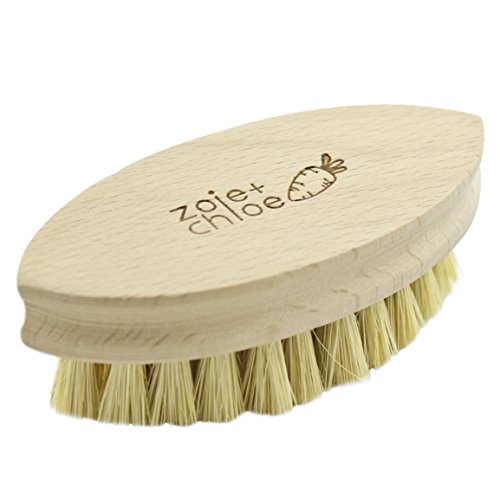
- Soft-bristle plant cleaning brush for water spots on leaves
- 8 oz spray bottle for misting and cleaning plant leaves
- Plant-safe leaf cleaning solution spray for water spots
- Ultra-soft sponge for cleaning plant leaves


Before You Start
Assess leaf type and plant sensitivity before cleaning. Glossy leaves tolerate moisture better than waxy or hairy surfaces which can trap residue. Work in a shaded area or over a tray to catch drips. For safety, avoid using plain household cleaners, which can damage foliage. Time estimates vary by plant size; a small batch may take 10–20 minutes, larger collections 30–45 minutes.
Critical cautions: never spray cleaning solutions directly onto exposed stems, roots, or soil if it could be ingested by pets. If any leaf shows damage or yellowing, pause cleaning and inspect for pests or disease.
Step-By-Step: How To Remove Water Spots From Leaves
- Inspect leaves to identify which spots are mineral deposits versus grime.
- Dust the leaves gently with a microfiber cloth to remove surface dirt.
- Fill the 8 oz spray bottle with water or a plant-safe leaf cleaning solution diluted as directed.
- Lightly mist the leaf surface from the center outward, avoiding heavy saturation.
- Wipe with a soft microfiber cloth or ultra-soft sponge, following the leaf veins, using gentle pressure.
- For stubborn spots, use a soft-bristle plant cleaning brush to loosen mineral marks, then wipe clean.
- Rinse the cloth or sponge frequently to avoid re-depositing minerals.
- Dry leaves with a clean, dry microfiber cloth to prevent water streaks and potential burn from sunlight on wet surfaces.
- Inspect the entire plant for any missed spots and repeat as needed on a rotating schedule.
- Wash the plant’s pot and surrounding area if mineral buildup on the pot or saucer is evident to reduce future spots.
- Return the plant to its usual location, ensuring it isn’t in direct intense sunlight immediately after cleaning.
Troubleshooting
| Symptom | Likely Cause | Fix | Prevention |
|---|---|---|---|
| Streaks on leaves after cleaning | Water or solution residue | Wipe with a dry microfiber cloth after a light mist | Use minimal mist and wipe promptly |
| Leaves feel sticky after cleaning | Too much cleaning solution | Rinse cloth frequently; dilute solution as needed | Apply sparingly and test on a small area first |
| Spot returns soon after cleaning | Hard water minerals in irrigation water | Water plants with filtered or distilled water | Water quality checks; consider a rainwater alternative |
| Leaves browning after cleaning | Excess moisture or sensitive foliage | Reduce moisture exposure; dry promptly | Limit cleaning to dusty seasons or use gentler methods |
Common Mistakes
- Over-wetting the leaves, especially with waxy or delicate species
- Using harsh household cleaners that contain alcohol or ammonia
- Ignoring underside leaf surfaces where pests or residue can accumulate
- Not drying leaves after cleaning, which can encourage fungal growth
- Cleaning in direct sun, which can burn leaves when moisture is present
Tips For Best Results
Establish a light, routine cleaning schedule so mineral buildup doesn’t accumulate. Use plant-safe leaf cleaning solution spray for persistent spots, but test on a small area first. Keep a ready-to-use set of tools, including microfiber leaf cleaning cloth set for houseplants and a soft-bristle plant cleaning brush for water spots on leaves, to make quick touch-ups easier. For glossy leaves, gentle buffing with a microfiber cloth can restore shine without polishing residue into the leaf.
Call A Professional
Consider professional help if leaves show persistent discoloration, mold growth, or pest infestations that cleaning cannot resolve. Stop cleaning and seek expert advice if:
- Leaves exhibit extensive yellowing, curling, or transparent patches
- There is widespread powdery coating, webbing, or visible pests
- Soil moisture levels are inconsistent or roots show signs of rot
FAQ
Can I use tap water to clean plant leaves?
Yes, but if your tap water is hard, use filtered or distilled water to minimize mineral deposits.
Is it safe to spray cleaner directly on leaves?
Only if the product is labeled as plant-safe and diluted as recommended.
How often should I clean plant leaves?
Clean leaves every 2–4 weeks or when noticeable mineral spots appear.
What should I do if leaves are extremely sensitive?
Use minimal moisture and a dry microfiber cloth; avoid brushes on delicate foliage.
Buying Guide
When selecting tools and cleaners for removing water spots from plant leaves, consider size, performance, and plant type. A compact kit that covers cleaning cloths, a soft brush, a spray bottle, and a plant-safe solution is ideal for most households. Look for non-toxic formulations and pH-balanced sprays that won’t disturb the leaf surface. Noise and energy use are typically not a concern for these small tools, but durability matters for long-term maintenance. Proper storage and a dedicated cleaning station help sustain a routine and keep plants at their best.
Key Buying Factors
- Size and portability: Choose tools that are easy to maneuver around tall plants and shelves.
- Noise level: Most cleaning tools are quiet, but soft-bristle brushes and cloths don’t produce noise.
- Energy efficiency: Not a significant factor for manual cleaning tools; prioritize durability.
- Controls and ease of use: Simple spray bottle with adjustable mist helps control application.
- Placement: A dedicated cleaning area near the watering station makes routine maintenance convenient.