Accidents happen, but cleaning vomit from a leather sofa doesn’t have to be stressful. This guide walks through safe, effective methods to remove stains, odors, and residue while preserving the leather’s finish.
Quick Answer
Act quickly to blot gently, avoid rubbing, and use a dedicated leather cleaner followed by a leather conditioner. For odor, apply a leather odor eliminator spray after cleaning and conditioning. Always test any product in an inconspicuous area first.
What You’ll Need
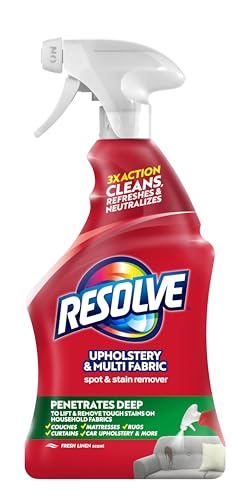
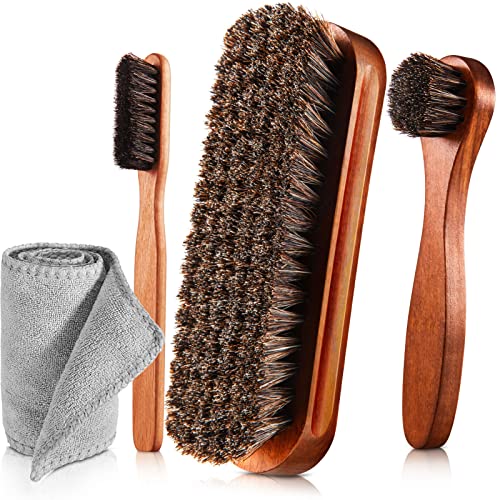
- Leather sofa cleaner kit spray bottle brush set
- Leather upholstery stain remover vomit stain
- Leather cleaning kit microfiber cloths for leather
- Leather odor eliminator spray for furniture
- Leather conditioner and cleaner set spray

Before You Start
Set aside time for a thorough clean and allow the leather to dry completely between steps. Work in a well-ventilated area and keep pets and children away during cleaning. Avoid using excessive water or harsh household cleaners, which can damage the leather finish. If the couch has a protective coating or colorant, follow the manufacturer’s care instructions. Time estimate: 20–60 minutes for cleaning, plus additional drying time.
Step-By-Step: How To Clean Vomit From A Leather Couch
- Contain the spill and remove solids with a soft cloth or paper towels, pressing gently to lift without rubbing.
- blot the area with a clean, dry microfiber cloth to absorb moisture.
- Apply a small amount of leather cleaner to a brush or cloth and work in a gentle circular motion on the stained area.
- Wipe away the cleaner with a fresh microfiber cloth, checking for any remaining residue.
- If odor remains, spray a thin layer of leather odor eliminator spray on the affected area and let it sit per product directions.
- Apply a leather conditioner and cleaner set spray to restore moisture after cleaning and prevent stiffness.
- Buff the surface with a clean, dry microfiber cloth until the area feels dry and even in tone.
- Allow the leather to air dry completely before use; avoid direct heat that could dry or crack the leather.
- If staining persists, repeat the cleaning and deodorizing steps in a cautious, incremental manner.
- Finish with a light conditioning spray to maintain suppleness and color.
- Inspect adjacent seams for any seepage or residue and address promptly if found.
Troubleshooting
| Symptom | Likely Cause | Fix | Prevention |
|---|---|---|---|
| Persistent stain after cleaning | Deep-set pigment or moisture | Reapply cleaner and stain remover; test on hidden area first | Act quickly; use blotting, not rubbing |
| Offensive odor remains | Protein-based odor trapped in leather | Use odor eliminator spray; follow with conditioner | Clean thoroughly and allow complete drying |
| Leather feels tacky after cleaning | Residue from cleaner or conditioner | Wipe with dry cloth until residue disappears | Use only recommended amounts |
| Discoloration or gloss loss | Over-wetting or harsh cleaners | Stop using abrasive products; re-condition | Test products in inconspicuous area |
Common Mistakes
- Rubbing or scrubbing the stain, which can spread it or embed it deeper
- Using household cleaners that aren’t designed for leather
- Over-wetting the leather, leading to stiffness or mold
- Skipping a conditioner, which can dry out the leather after cleaning
Tips For Best Results
- Always test cleaners on a hidden area before full application
- Work from the outside of the stain toward the center to prevent spreading
- Use a dedicated leather conditioner after cleaning to restore moisture
- Store products in a cool, dry place to maintain effectiveness
Call A Professional
If the stain covers a large area, the odor is strong and persistent, or the leather shows cracking or color loss, contact a professional upholstery cleaner. Seek immediate help if there is mold, extensive staining, or if the couch holds a strong, lingering odor despite treatment.
FAQ
Can I use water to clean vomit from a leather couch?
Lightly dampening with water is acceptable when paired with a leather-safe cleaner, but avoid soaking the leather.
Is it safe to use an odor eliminator spray on leather?
Yes, if the product is formulated for leather and tested on a hidden area first.
Should I condition the leather after cleaning vomit?
Yes, applying a conditioner helps restore moisture and prevent cracking.
How long does it take for leather to dry after cleaning?
Drying times vary by product and environment, but expect several hours for full drying.
Buying Guide
Selecting the right products helps prevent future issues and preserves the leather’s look. Consider how large your sofa is, how often you entertain, and the texture of your leather.
Size and Type
Choose a leather cleaner kit that covers the typical stain sizes you encounter. For larger couches, a multi-spray bottle kit can offer convenience while preventing overuse of product.
Noise Level and Ease of Use
Spray bottles with comfortable nozzles and brush sets help distribute cleaner evenly with minimal effort and noise.
Energy Efficiency and Environment
Opt for concentrated formulas that require smaller amounts per use, reducing waste and cost over time.
Controls and Packaging
Look for clear instructions, color-safe formulas, and tested colorfast options to protect the leather’s appearance.
Placement and Storage
Store products away from heat and sunlight; keep out of reach of children and pets. Label bottles clearly to prevent misuse.