Oil spills in the kitchen require a quick, effective response to prevent slips, stains, and lingering odors. This guide outlines practical steps, the best tools, and safe practices to restore a clean, safe cooking area. It also covers common mistakes and when to call a professional for stubborn messes.
With the right approach and the right supplies, anyone can manage a spill efficiently. The following sections provide a clear, step-by-step process, a quick reference, and a buying guide to help readers choose the right products for future spills.
Quick Answer
Act fast to contain the spill, blot or absorb the liquid, and dispose of residues properly. Use a dedicated oil spill cleanup kit or absorbent pads, then follow with a degreaser to lift remaining residue. For ongoing spills, a universal spill kit for grease and oil can offer comprehensive coverage.
What You’ll Need
The following tools and materials are commonly effective for kitchen oil spills. The list prioritizes products designed for grease and oil cleanup.
- kitchen oil spill absorbent pads
- oil spill cleanup kit absorbent granules
- degreaser spray for kitchen oil spills
- universal spill kit for grease and oil
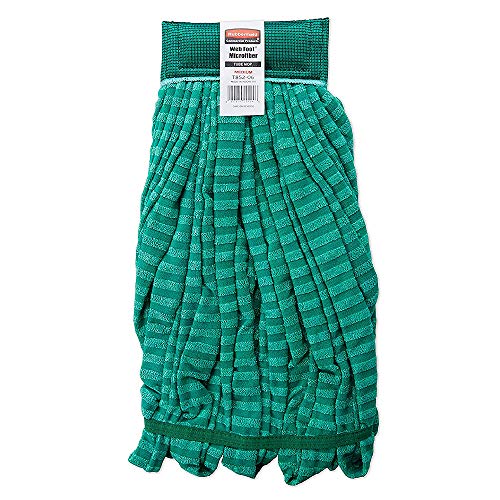
- microfiber mop with degreaser for oil spills


Before You Start
Plan a quick cleanup zone: remove cookware or utensils nearby, and ventilate the area if fumes are possible. Wear disposable gloves and, if needed, safety glasses. Time estimates vary, but most small kitchen spills can be managed in 10–20 minutes. Key cautions include avoiding running water on hot surfaces, not mixing cleaners with unknown substances, and keeping children and pets away from the work area.
Step-By-Step: How To Clean Up Oil Spills In The Kitchen
- Contain the spill by surrounding it with paper towels or absorbent pads to prevent spreading.
- Gently blot the liquid to remove surface oil without pushing it into cracks or grout.
- Apply kitchen oil spill absorbent pads or granules to soak up remaining oil, following the product directions.
- Let the absorbent material sit for the recommended time, then lift and dispose of it in a sealable bag.
- Spray a degreaser spray for kitchen oil spills onto the affected area and let it sit briefly to break down fats.
- Wipe with a clean cloth or microfiber mop, working from the outside of the spill toward the center to prevent recontamination.
- For stubborn residue, reapply absorbent granules and re-scrub with a degreaser until the surface is clean.
- Rinse the area with a damp cloth if the surface tolerates water, then wipe dry to speed up drying.
- Inspect grout lines, seams, or porous surfaces; apply a second round of absorbent material if needed.
- Dispose of all used absorbents properly and wash reusable tools per manufacturer instructions.
- Follow with a final wipe using a microfiber mop with degreaser for a uniform finish.
Troubleshooting
| Symptom | Likely Cause | Fix | Prevention |
|---|---|---|---|
| Persistent odor | Oil residue left behind | Reapply degreaser and absorbent; ensure thorough drying | Clean spills immediately; use absorbent pads promptly |
| Streaky surface after cleaning | Residue from cleaner or oil | Wipe with a damp cloth, then dry; consider a light rinse if safe | Test cleaners on small area first |
| Oil leaching into grout | Porous surface not sealed | Apply sealant after cleaning; use absorbent pads for ongoing spills | Seal high-traffic areas prone to spills |
| Surface damage from cleaner | Aggressive chemical or prolonged contact | Rinse quickly with water or use milder cleaner | Follow label directions; avoid mixing cleaners |
Common Mistakes
- Waiting too long to start cleaning after a spill
- Rubbing oil into surfaces instead of blotting or absorbing
- Using water on porous surfaces that trap oil
- Skipping a final wipe and dry after cleaning
- Neglecting to dispose of absorbents properly
Tips For Best Results
- Keep a dedicated oil spill kit or absorbent pads within easy reach in the kitchen.
- Pre-test any degreaser on a hidden area to ensure compatibility with countertops or floors.
- Use microfiber mops for efficient pickup and less lint.
- Choose a universal spill kit for grease and oil if spills are frequent or varied in type.
- After cleaning, consider applying a surface sealant to reduce future absorption on porous materials.
Call A Professional
Call a professional if spills involve large quantities, damaged surfaces, or persistent stains on grout, stone, or untreated wood. Seek help for any electrical exposure risk or if the area is near heat sources where oil could re-spark. If there is ongoing recurrence after routine cleaning, a professional assessment can identify underlying causes and recommend durable solutions.
FAQ
Can I use regular dish soap for oil spills?
Dish soap can help break down some cooking oils, but for larger spills or porous surfaces, dedicated degreaser products perform better.
Is it safe to use a steam cleaner on oil spills?
Steam can spread oil or push it into porous surfaces; use steam only if the surface is clearly compatible and the product directions permit it.
How should I dispose of used absorbents?
Place used pads and granules in a sealed bag and follow local disposal guidelines for household hazardous waste if applicable.
What if the spill is on a wooden counter?
Use a degreaser suitable for wood, and dry thoroughly to prevent moisture damage. Consider sealing the area after cleaning.
How often should I reapply sealant on porous surfaces?
Frequency depends on use, but inspect annually and reapply as needed to maintain resistance to oil absorption.
Buying Guide
Choosing the right products for kitchen oil spills requires considering spill frequency, surface types, and cleaning goals. The following factors help compare options and pick a practical kit or supplies.
Size and Coverage
For frequent spills, a larger universal spill kit for grease and oil provides broader coverage. For occasional messes, compact kitchen oil spill absorbent pads or granules are sufficient.
Absorbency and Material
Absorbent pads and granules vary in absorption capacity. Look for products designed for cooking oils and grease, which typically offer rapid soak-up and easy disposal.
Cleaning Power
Pair absorbents with a compatible degreaser spray to lift residue. A microfiber mop with degreaser can improve efficiency and leave a clean finish.
Ease of Use and Disposal
Consider products that are easy to apply, require minimal rinsing, and come with clear disposal instructions. Pre-packaged kits reduce setup time during spills.
Surface Compatibility
Check compatibility with countertops, floors, and grout. Porous surfaces may require additional sealing or repeated cleaning for complete oil removal.
Noise, Energy, and Placement Considerations
Non-electrical tools are typically quiet and portable. For larger kitchens, place absorbents in accessible locations near common spill zones to speed response.
Brand and Availability
Choose readily available products from reputable brands to ensure consistent performance and easy replacement parts or refills.
Buying Guide Summary
When selecting oil spill cleaning products, balance coverage size, absorbency, and cleaning power. Prioritize items that work well on kitchen surfaces, are easy to use, and offer clear disposal guidance. A well-stocked kit, complemented by a degreaser spray and a microfiber mop, helps maintain a clean, safe cooking environment with minimal downtime.