Unsealed marble requires gentle, proactive cleaning to preserve its appearance and prevent staining. This guide provides practical steps using readily available tools and a clear safety roadmap for American homes. The goal is to remove grime and spills without damaging the marble’s porous surface.
Readers will find a concise quick answer, a complete list of tools, step-by-step instructions, and troubleshooting tips to handle common issues that arise when cleaning unsealed marble.
Quick Answer
For unsealed marble, start with a pH-neutral marble cleaner spray and a microfiber cloth to wipe spills promptly. Use a marble poultice stain remover powder for persistent stains, and avoid acidic or abrasive cleaners. If needed, apply a marble countertop sealer liquid to slow future staining after cleaning.
What You’ll Need
- pH neutral marble cleaner spray
- marble poultice stain remover powder for unsealed marble
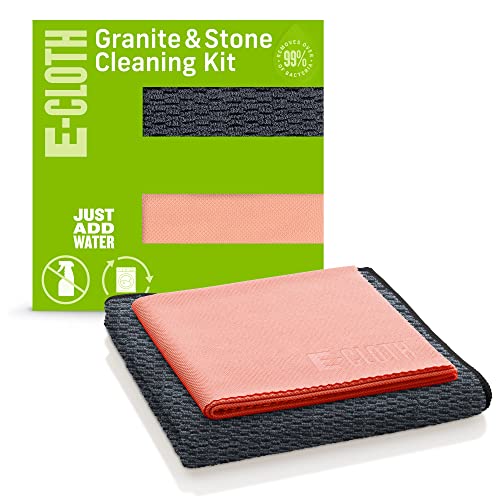
- microfiber cloth for marble cleaning
- non-scratch nylon scrub brush for marble
- marble countertop sealer liquid for unsealed marble


Before You Start
Ensure the area is well-ventilated and protect surrounding surfaces with towels or plastic sheeting. Test cleaners in an inconspicuous spot to check for color or texture changes. Do not use acidic cleaners (like vinegar or lemon juice) on unsealed marble, as they can etch the surface. Plan for cleaning time: most routine cleanups take 15–30 minutes; deep stain treatment may take several hours with drying time.
Critical cautions: avoid abrasive tools or harsh chemicals that can scratch or dull marble. Use gentle motions and minimal moisture on the surface to prevent water infiltration into the stone.
Step-By-Step: How To Clean Unsealed Marble
- Begin by blotting spills immediately with a clean microfiber cloth to prevent siting liquids from penetrating the stone.
- Apply a light mist of pH neutral marble cleaner spray across the surface and wipe with a microfiber cloth in a circular motion.
- For sticky residues, gently scrub with a non-scratch nylon scrub brush, applying minimal pressure to avoid scratching the marble.
- Rinse the area with a small amount of clean water and wipe dry with a fresh microfiber cloth to remove any cleaner residue.
- If stains persist, prepare a poultice according to the marble poultice stain remover powder directions and apply evenly over the stain. Cover with plastic wrap if required and allow to dry overnight.
- Remove the poultice once dry, rinse the area, and dry thoroughly. Repeat if necessary for stubborn stains.
- Inspect for a uniform finish. If the marble looks dull or porous afterward, consider sealing to slow future absorption.
- Apply a marble countertop sealer liquid for unsealed marble according to the product directions, ensuring even coverage and adequate curing time before light use.
- Maintain routine cleaning with the pH-neutral cleaner and microfiber cloth to prevent buildup and minimize staining.
- Schedule periodic checks for sealing needs, especially in high-traffic kitchens or areas prone to spills.
- Store cleaning products out of reach of children and pets, and follow all package safety guidelines during application.
Troubleshooting
| Symptom | Likely Cause | Fix | Prevention |
|---|---|---|---|
| Dull or etched look after cleaning | Use of acidic cleaners or abrasive tools | Stop using acidic products; switch to pH-neutral cleaner and soft cloth | Perform spot tests; avoid vinegar, lemon juice, or abrasive pads |
| Stain remains after cleaning | Stain deeply absorbed by unsealed marble | Apply poultice per directions; repeat if needed | Clean spills promptly; seal after stain removal |
| Water beads but surface looks cloudy | Water penetrates micro-pores or soap residue | Rinse thoroughly, dry well, and re-clean with neutral solution | Use a consistent sealing plan if recommended |
| Scratches appear after scrubbing | Abrasive brush or aggressive scrubbing | Switch to a soft brush and light pressure | Use non-scratch tools and gentle strokes |
Common Mistakes
- Using acidic cleaners on unsealed marble
- Scrubbing with rough brushes or scouring pads
- Over-wetting the surface or leaving standing water
- Skipping a test patch before applying poultice or sealer
Tips For Best Results
- Wipe spills immediately to minimize absorption into the stone pores
- Use a dedicated microfiber cloth for marble to prevent cross-contamination
- Follow poultice instructions precisely for optimal stain removal
- Seal unsealed marble after cleaning to reduce future staining risk
- Maintain a routine cleaning schedule with a pH-neutral cleaner
Call A Professional
Consider contacting a stone care professional if you notice deep etching, extensive staining, or uneven coloration that cannot be resolved with standard cleaning. Stop signs to call a pro include persistent cracks, exposed underlayment, or damage beyond surface staining.
FAQ
Can unsealed marble be safely cleaned with water?
Light cleaning with a damp microfiber cloth is generally safe, but excess moisture should be avoided to prevent absorption.
Is a poultice the best solution for stains on unsealed marble?
For many stains, a marble poultice powder is effective when used as directed on the stain’s type and depth.
Should I seal unsealed marble after cleaning?
Sealing helps slow future staining and makes maintenance easier, especially in high-use areas.
What cleaners should I avoid for unsealed marble?
Avoid acidic, highly alkaline, or abrasive cleaners that can etch or scratch the surface.
How often should marble be sealed if it’s unsealed?
Sealing frequency depends on usage and porosity; a professional can advise based on the stone and area.
What tools are best for routine cleaning?
A pH-neutral marble cleaner spray and a microfiber cloth are recommended for everyday care.
Can I use commercial stone polish on unsealed marble?
Polishes are generally not necessary for unsealed marble and can alter the stone’s appearance; consult product guidelines before use.
Buying Guide
When choosing products for cleaning unsealed marble, consider size, ease of use, and compatibility with marble surfaces. Key factors include:
- Size and packaging: Choose amounts appropriate for your space to avoid waste.
- Noise level: Cleaning tools like brushes should operate quietly in open kitchens or living areas.
- Energy efficiency: Manual or low-output tools reduce energy use in routine cleaning
- Controls and ease of use: Simple spray bottles and ready-to-use formulas streamline cleaning.
- Placement: Store cleaners away from heat sources and out of reach of children; ensure containers are clearly labeled.
For stained or deep-cleaned areas, matching a poultice powder with clear directions can yield effective results. After cleaning, applying a sealer liquid designed for unsealed marble can help maintain surface integrity and reduce future staining. If in doubt, consult product labels or a stone care professional to select the best combination of cleaner, poultice, and sealer for your marble surface.