Silver jewelry can regain its former shine with the right techniques and tools. This guide explains practical methods to remove tarnish, protect delicate pieces, and keep silver looking bright for years to come. It covers at-a-glance steps, common issues, and when to consider professional help.
Quick Answer
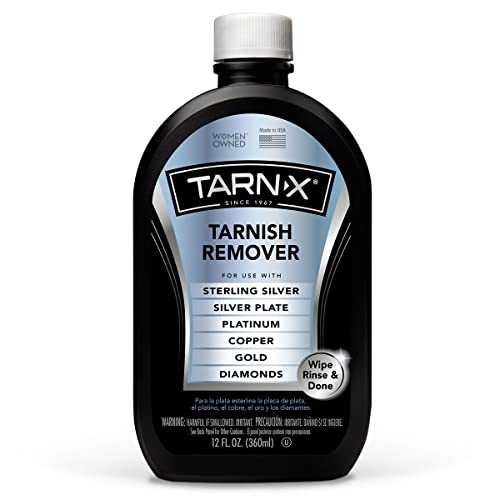
Remove tarnish quickly with a silver jewelry cleaning kit tarnish remover or silver tarnish remover paste for jewelry, then finish with sterling silver polishing cloths set for a high-gloss shine. For deeper cleaning, an ultrasonic jewelry cleaner for sterling silver or silver jewelry cleaning solution liquid 8 oz can be used, following safety guidelines.
What You’ll Need
- Silver jewelry cleaning kit tarnish remover
- Sterling silver polishing cloths set
- Silver jewelry cleaning solution liquid 8 oz
- Ultrasonic jewelry cleaner for sterling silver
- Silver tarnish remover paste for jewelry

Before You Start
Assess each piece for defects such as loose stones or cracked settings before cleaning. Test any liquid cleaner on a small, inconspicuous area first. Work in a well-ventilated space and wear gloves if you have sensitive skin. Set aside a dedicated workspace and avoid cleaning valuable or antique items with aggressive methods.
Safety note: Do not mix cleaning solutions with other household cleaners. Tarnish is a surface oxidation that can be reversed without harsh scrubbing on most pieces, but porous stones or oxidized finishes may be damaged by certain chemicals. Plan a cleaning time that allows for drying and inspection after each method.
Step-By-Step: How To Clean Tarnished Silver Jewelry
- Identify the type of jewelry and its stones. Silvers with pearls or marcasite may require gentler methods or avoidance of certain liquids.
- Option A: Quick wipe with a polishing cloth. Gently rub the surface in a back-and-forth motion until tarnish lightens.
- Option B: Use a silver jewelry cleaning solution liquid 8 oz. Dip a soft cloth or brush, and apply along the surface, avoiding stones and clasps. Rinse with lukewarm water and dry fully.
- Option C: Apply silver tarnish remover paste for jewelry to tarnished areas. Let sit per product directions, then buff with a soft cloth.
- Option D: For deeper cleaning, place the piece in an ultrasonic jewelry cleaner for sterling silver with the appropriate cleaning solution. Run a short cycle and inspect before a full dry.
- Rinse and dry thoroughly after any liquid or ultrasonic treatment to prevent water spots or residue.
- Check for remaining tarnish, especially in crevices. Repeat treatment on stubborn spots if needed, using mild pressure and patience.
- Buff with a clean polishing cloth to restore luster. Store separately to prevent scratching or tarnish transfer.
- Inspect settings and stones after cleaning. If any stones appear loose or damaged, stop and seek professional help.
- Maintain shine by regular gentle cleaning and proper storage.
- Document each piece’s preferred method (cloth, solution, or paste) to simplify future cleanings.
Troubleshooting
| Symptom | Likely Cause | Fix | Prevention |
|---|---|---|---|
| Dull finish returns quickly | Insufficient cleaning or residue | Re-clean with appropriate method and buff thoroughly | Clean regularly; wipe after wear |
| Stones look cloudy | Cleaning liquid contacted stones | Rinse well and dry; avoid stones during cleaning | Mask stones or use cloth-only method near settings |
| White residue after drying | Hard water mineral deposits | Rinse with distilled water and dry completely | Dry thoroughly; use soft cloths |
| Piece tarnishes quickly after cleaning | Exposure to air and moisture or improper storage | Store in anti-tarnish bags or cloth | Keep away from humidity and chemicals |
| Scattered dark spots | Over-cleaning or abrasive action | Switch to gentler method; avoid excessive rubbing | Use soft materials and gentle pressure |
Common Mistakes
- Using abrasive materials that scratch silver surfaces
- Cleaning with harsh chemicals near gemstones
- Ignoring gaps and crevices where tarnish hides
- Using heat or boiling water on delicate pieces
- Rushing drying, which can leave water spots
Tips For Best Results
- Choose a cleaning method based on the jewelry’s materials and stones.
- Test any cleaner on a small area first to avoid damage.
- Use a soft microfiber cloth or dedicated polishing cloth to prevent scratches.
- Store silver pieces separately in anti-tarnish pouches or away from moisture.
- Regular light cleaning is safer than aggressive periodic deep cleaning.
Call A Professional
Seek professional help if a piece has damaged or loose settings, rare stones, or etched finishes that cleaning could affect. Stop cleaning and contact a jeweler if there are signs of discoloration, heat damage, or non-metal components that might be affected by solvents.
FAQ
Can I clean all silver jewelry with the same method?
Most pieces can use a mild cleaning approach, but stones and settings vary. Always tailor the method to the material and consult if unsure.
Is ultrasonic cleaning safe for all silver pieces?
Ultrasonic cleaners are effective for many silver pieces, but avoid porous stones or delicate settings. Use shorter cycles and check results.
How often should I clean tarnished silver?
Light cleaning after wear can prevent heavy tarnish; deep cleaning monthly or when tarnish returns helps maintain shine.
What storage helps prevent tarnish between wearings?
Store in cool, dry places with anti-tarnish protection and separate compartments to avoid scratches.
Buying Guide
When selecting products to clean tarnished silver jewelry, consider size, strength, and material compatibility. For practical usage, evaluate the following factors:
- Cleaning power and safety: Choose a method that suits your piece type—polish cloths for quick touch-ups, and liquids or pastes for stubborn tarnish.
- Stain and tarnish level: For light tarnish, a polishing cloth may suffice; deep tarnish may require a dedicated paste or solution.
- Stone compatibility: If jewelry features gemstones, ensure the product is safe for those materials.
- Method variety: A kit with multiple options (cloth, solution, paste, ultrasonic) provides flexibility.
- Ease of use: Simple, step-by-step directions help maintain consistency and reduce risk of damage.
- Storage and maintenance: Consider products that promote ongoing anti-tarnish care, such as polishing cloths paired with proper storage.
Choosing the right combination of tools—such as a silver jewelry cleaning kit tarnish remover, a sterling silver polishing cloths set, a silver jewelry cleaning solution liquid 8 oz, and an ultrasonic cleaner designed for silver—will help maintain a bright appearance with minimal effort. Are you ready to refresh your favorite pieces and extend their life with a tailored cleaning routine?