Access to clean tap water is essential for health, cooking, and daily routines. This guide explains practical methods to improve tap water quality in American homes, from basic filtration to advanced systems. Readers will learn how to choose, install, maintain, and troubleshoot different solutions, with clear steps and safety considerations.
Whether you want a quick fix or a long-term filtration setup, this article outlines options that suit various budgets and needs. The focus is on reliable, consumer-friendly approaches that reduce common contaminants while preserving taste and clarity of tap water.
Quick Answer
Best quick fix: Use a BPA-free water filtration pitcher for immediate improvement, then upgrade to a faucet mount or countertop system for ongoing filtration. For comprehensive purification, consider a reverse osmosis under-sink setup, paired with periodic filter changes.
What You’ll Need
Below is a practical set of tools and filtration options commonly used to clean tap water. The list prioritizes consumer-grade solutions that are easy to install, maintain, and replace as needed.
- Countertop water filter system activated carbon
- Faucet mount water filter replacement cartridges
- Underground/under-sink reverse osmosis water filtration system
- Water purification pitcher BPA free 2.0 liter
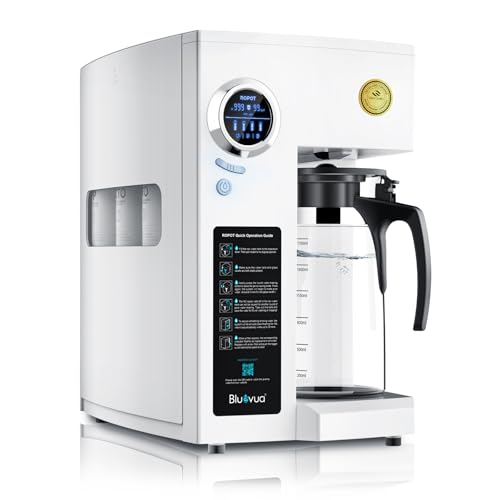
- UV countertop water purifier for tap water


Before You Start
Before beginning any filtration project, consider your water source, local regulations, and plumbing compatibility. Assess the faucet type, under-sink space, and power availability for electronic purifiers like UV units. Plan for regular maintenance, including filter changes and sanitization.
Caution: Do not install a filtration system that restricts water flow or reduces water pressure beyond manufacturer specifications. Always shut off water supply when assembling components to prevent leaks and water damage.
Estimated time to set up a basic system: 15–45 minutes for pitchers or faucet mounts; 1–3 hours for more complex countertop or under-sink installations.
Step-By-Step: How To Clean Tap Water With Filtration
- Identify your best initial solution based on needs: quick taste improvement or long-term purification.
- Choose a filtration path: a water purification pitcher for immediate use, or a faucet mount for continuous point-of-use filtration, then consider an under-sink reverse osmosis unit for comprehensive purification.
- Read manufacturer instructions for the chosen system and gather necessary tools (screwdrivers, pliers, Teflon tape, and sanitizer if required).
- Mount or position the device according to the product’s installation guide. For faucet mounts, secure the unit to the faucet and ensure a tight seal to avoid leaks.
- Install replacement cartridges or filters as directed. If using a carbon filter, prime it by running water through for the recommended time to remove carbon dust and activate filtration media.
- Rinse new filters as instructed to prevent initial sediment in your filtered water. Collect and discard the first few cups if advised by the manufacturer.
- Test for flow and leaks after installation. Check connections under the sink or at the faucet head, and tighten fittings if necessary.
- Schedule routine maintenance: replace filters on a manufacturer-recommended timeline, typically every 3–12 months or after a defined volume of water.
- Calibrate any electronic components or monitors, if provided, to ensure accurate performance readings about filtration status.
- Run water through the system for several minutes to clear any preservatives or manufacturing residues, then enjoy clean water from your chosen source.
- For under-sink systems, periodically inspect the reservoir or membrane, and replace components according to the maintenance schedule to sustain performance.
Troubleshooting
| Symptom | Likely Cause | Fix | Prevention |
|---|---|---|---|
| Water flow is slow | Clogged cartridge/filters or restrictive fittings | Replace cartridge or remove obstruction | Follow replacement schedule; avoid over-tightening |
| Unpleasant taste or odor | Old filter, bacteria buildup | Replace filter, sanitize system if recommended | Regular maintenance and correct storage |
| Leaks around fittings | Improper seal or loose connections | Tighten fittings; reapply sealing tape if needed | Check for wear and replace worn parts |
| System won’t turn on (UV unit) | Power supply or bulb issue | Check outlet, replace UV bulb if required | Use a surge protector; follow bulb replacement schedule |
Common Mistakes
- Using incompatible filters with a given system, causing poor performance.
- Neglecting to prime carbon filters before first use, resulting in sediment in water.
- Over-tightening connections, which can damage components and create leaks.
- Postponing filter changes, leading to degraded water quality and potential bacterial growth.
- Installing under-sink systems without adequate space or venting, causing maintenance challenges.
Tips For Best Results
- Match filtration level to your water quality. If your water has high TDS or contaminants, consider a multi-stage system like a reverse osmosis unit with post-activation carbon polishing.
- Place a pitcher in the fridge for cold, convenient drinking water, maintaining taste freshness with clean filters.
- Label replacement dates on the filter housing or calendar to stay on track with maintenance.
- Consider a UV countertop purifier for additional disinfection, especially in households with vulnerable individuals.
- Regularly inspect seals and gaskets to prevent slow leaks and ensure a tight fit.
Call A Professional
Certain installations require licensed help, especially when modifying plumbing connections or installing under-sink or whole-house filtration. Stop and contact a pro if you notice persistent leaks, water discoloration, or if your system involves electrical components near water. Do not attempt electrical work beyond standard DIY steps.
FAQ
What is the best filter for tap water taste?
In most cases, a countertop water filter system activated carbon or faucet mount water filter replacement cartridges can provide noticeable taste improvements by removing chlorine and organic compounds.
Do water purification pitchers remove minerals?
Most pitchers primarily remove chlorine and some contaminants; minerals generally remain, preserving taste and essential nutrients, though some models include activated carbon for odor and taste improvement.
Is a reverse osmosis system worth it for tap water?
Under-sink reverse osmosis systems offer comprehensive purification, reducing dissolved solids and many contaminants, but they may require more space, water waste, and maintenance compared to pitcher or faucet filters.
How often should I change the filter?
Replacement frequency varies by model and water usage. Check manufacturer guidelines; typical ranges are every 3–12 months.
Can UV purifiers be installed on all taps?
UV countertop purifiers require a power source and are designed for specific tap configurations; ensure compatibility with your faucet and electrical setup before installation.
Are all filters BPA-free?
Many consumer-grade components are BPA-free, but verify product specifications to confirm the absence of BPA in filters, housings, and pitchers.
Is it safe to use filtered water for cooking?
Yes, filtered water is suitable for cooking and beverages, often improving flavor and reducing contaminants that can affect taste or odor.
Buying Guide
When choosing a filtration solution for tap water, consider several factors to balance performance, cost, and convenience.
- Size and footprint: For apartments or small kitchens, countertop or faucet-mounted options save space; under-sink units require cabinet clearance and professional installation in some cases.
- Noise level: Some UV or filtration units operate quietly; check decibel ratings if noise is a concern.
- Energy efficiency: Non-electric carbon filters are energy-free; UV systems need a power source—evaluate electricity use and reliability.
- Controls: Simpler systems offer basic on/off operation, while advanced models show filter life indicators and water quality status.
- Placement: Countertop units are easy to relocate; under-sink systems save counter space but may require professional plumbing work.
- Filter life and maintenance: Consider replacement cost, frequency, and ease of finding compatible cartridges in the U.S. market.
- Water quality goals: If your municipality’s water contains specific contaminants, select a system designed to target those substances (e.g., chlorine, lead, fluoride, or hardness).
- Flow rate: A higher flow rate is beneficial for drinking and cooking; some RO systems have slower output due to filtration stages.
For most homes, a staged approach works well: begin with a BPA-free purification pitcher or faucet mount filter for immediate improvements, then upgrade to a countertop or under-sink system if you want stronger contaminant reduction. Always verify compatibility with your existing faucet and space, and follow the manufacturer’s installation and maintenance guidelines for best results.