Keeping a stainless steel water bottle clean protects taste, odor, and health. This guide explains a practical method using baking soda and common cleaning tools to remove stains, odors, and mineral buildup. The steps are beginner-friendly and designed for bottles with wide or narrow necks alike.
Quick Answer
For a quick clean, mix 1–2 tablespoons of baking soda with warm water, fill the bottle, add a few minutes of agitation with a long-handle brush, and rinse thoroughly. For stubborn stains, let the solution soak, then scrub with a bottle brush and rinse until no residue remains.
What You’ll Need
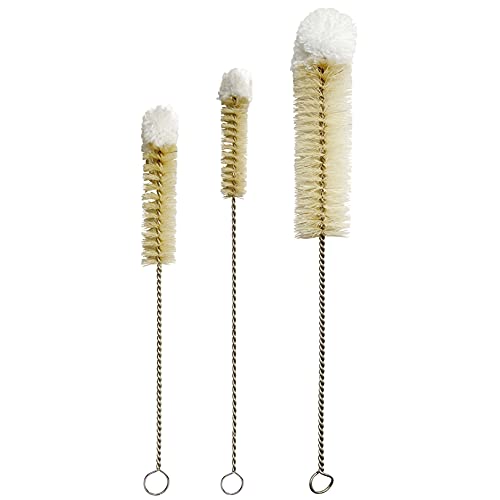
- Stainless steel water bottle cleaning brush long handle
- Narrow neck water bottle brush stainless steel bottle
- Stainless steel bottle scrub brush set
- Water bottle cleaning kit long-handle brush sponge
- Baking soda bottle cleaning tablets


Before You Start
Inspect the bottle for base corrosion or damaged threads. Remove any metal caps, gaskets, or straw components if dishwasher-safe. Use warm, not boiling, water to avoid warping seals. Safety note: wear gloves if you have sensitive skin and ensure all cleaning agents are fully rinsed away. Plan a 15–30 minute cleaning window depending on buildup.
Step-By-Step: How To Clean A Stainless Steel Water Bottle With Baking Soda
- Disassemble all removable parts and rinse the bottle with warm water to loosen loose debris.
- Fill the bottle about halfway with warm water and add 1–2 tablespoons of baking soda.
- Replace the cap and shake vigorously to distribute the solution inside the bottle.
- Let the mixture sit for 10–15 minutes if there are visible stains or odors.
- Use a long-handle bottle brush to scrub the interior, paying attention to the bottom and corners.
- For narrow neck bottles, switch to a narrow neck brush designed for stainless steel to reach tight areas.
- Rinse thoroughly with clean water until the baking soda residue is gone.
- Optionally repeat with a solution of baking soda and warm water for stubborn stains, then rinse again.
- Clean the exterior with a damp cloth and mild soap if needed; dry completely with a towel.
- Allow the bottle to air-dry inverted on a rack before reassembling and storing.
- For extra freshness, run a final rinse with a splash of white vinegar and a final warm water rinse, then dry.
- Reassemble all parts and ensure the bottle is completely dry before next use.
Troubleshooting
| Symptom | Likely Cause | Fix | Prevention |
|---|---|---|---|
| Persistent odor after washing | Buildup in hard-to-reach areas | Use a narrow-neck brush and soak with baking soda nightly | Regular weekly cleaning |
| Stains that won’t budge | Deep mineral deposits | Soak with baking soda solution for 30 minutes, then scrub | Rinse after each use to prevent setting |
| Scratches on exterior | abrasive scrubbing | Switch to non-abrasive sponge and gentle scrubbing | Avoid metal scrubbers |
| Cap or gasket won’t seal | Residual soap or moisture | Dry thoroughly and reassemble completely | Air-dry components before reassembly |
Common Mistakes
- Using boiling water on a bottle with sensitive seals
- Using metal scrubbers that scratch the interior
- Over-relying on harsh chemicals instead of baking soda
- Not thoroughly rinsing after cleaning, leaving a residue
- Ignoring buildup in the neck or cap area
Tips For Best Results
- Pre-soak with baking soda for 10–15 minutes to loosen stains
- Use the correct brush size for the bottle’s neck to reach all areas
- Rinse until completely odor-free; residual baking soda can alter taste
- Regular maintenance reduces heavy scrubbing later
Call A Professional
Seek professional help if the bottle shows deep pitting, cracks, or persistent leaks that compromise hygiene. If the cap or gasket is severely damaged or if the bottle cannot be thoroughly cleaned due to unusual interior textures, contact the manufacturer or a specialty repair service.
FAQ
Can baking soda damages stainless steel bottles?
No, when used in moderation and thoroughly rinsed, baking soda is safe for stainless steel and helps remove stains and odors.
How long should I soak a bottle with baking soda?
Soak for 10–30 minutes depending on the level of buildup; avoid prolonged exposure on delicate seals.
Is it okay to use baking soda tablets?
Yes, dissolve baking soda tablets in warm water as an alternative cleaning method, following product instructions.
How often should I clean my bottle with baking soda?
Clean weekly or after any beverage with strong odors or staining potential to maintain freshness.
Buying Guide
When choosing a bottle-cleaning setup, consider these factors to optimize performance and usage:
- Brush design: Long-handled and narrow-neck brushes help reach hard-to-clean areas inside bottles with small openings.
- Stainless steel compatibility: Ensure brushes and scrub sets are labeled safe for stainless steel surfaces to avoid scratches.
- Cleaning kit versatility: A kit that includes multiple brush sizes and a sponge supports different bottle shapes and sizes.
- Baking soda products: Baking soda tablets or powders offer convenient, residue-free cleaning options without scrubbing power loss.
- Durability and comfort: Look for sturdy handles and non-slip grips for comfortable, repeated use.
- Size and storage: Compact kits are easier to store, while larger sets may improve long-term cleaning efficiency.
To compare options, think about bottle neck width, typical stains you encounter, and how often you clean. A versatile kit with a long-handle brush and a narrow-neck brush often yields the best results for most households. Do you frequently travel with a bottle or use it for sports drinks? Such usage may justify investing in a robust cleaning kit and dedicated baking soda products for odor control.