Soot from fires or smoke damage can cling to fibers and pose health risks if not handled properly. This guide outlines practical, step-by-step methods to remove soot from carpet using common cleaning tools, while minimizing damage to the carpet and indoor air quality. Readers will learn safe preparation, effective techniques, and when to escalate to professional services.
Quick Answer
Begin with removal of loose soot using a HEPA-equipped vacuum, then treat spots with a dry chemical sponge or a carpet cleaning machine. For stubborn stains, consider a steam cleaner and deodorizing options. Always test a small area first and wear a mask to prevent inhaling fine particles.
What You’ll Need
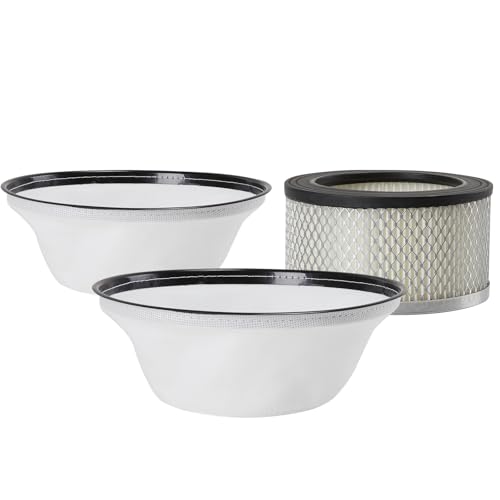
- Ash vacuum cleaner HEPA filter for carpet soot cleanup
- Carpet steam cleaner for fire damage soot removal
- Dry chemical sponge soot remover for upholstery and carpet
- Industrial HEPA vacuum 12 gallon ash and soot
- Carpet cleaning machine with deodorizer for soot stains


Before You Start
Prepare the area by sealing off the room from others to limit dust distribution. Wear a particulate mask, safety goggles, and gloves. Vacuum first with the appropriate HEPA-equipped machine to capture loose ash, never rub ashes into the carpet. Allow the room to ventilate while you work. Time estimates vary by room size and soot depth, typically 1–4 hours for a standard living area.
Caution: Do not dampen soot-heavy areas before vacuuming, as moisture can smear soot and create stains. If smoke odors are strong, plan for follow-up deodorizing steps after cleaning.
Step-By-Step: How To Clean Soot From Carpet
- Ventilate the space and put on protective gear before starting.
- Use an industrial HEPA vacuum 12 gallon ash and soot to remove loose soot from carpet fibers.
- Gently go over high-traffic areas with the vacuum to lift embedded particles.
- Spot-clean stubborn stains with a dry chemical sponge soot remover for upholstery and carpet, working from the outside of the stain inward.
- For larger residue, run a carpet cleaning machine with deodorizer to treat soot-stained zones.
- If odors persist, repeat the cleaning cycle or switch to a carpet steam cleaner for fire damage soot removal on affected areas.
- Rinse and dry treated areas thoroughly to prevent mold growth and re-settling of particles.
- Vacuum again after drying to capture any loosened remains and restore carpet texture.
- Check for ghosting or dark spots; re-apply dry sponge or steam cleaning as needed.
- Test an inconspicuous patch with your deodorizing cleaner to ensure colorfastness.
- Dispose of used sponges and collected soot according to local guidelines to prevent contamination.
- Run a final pass with the HEPA vacuum and monitor air quality after cleaning.
Troubleshooting
| Symptom | Likely Cause | Fix | Prevention |
|---|---|---|---|
| Soot persists after cleaning | Deep-set soot in carpet fibers | Use carpet steam cleaner for deeper extraction; repeat cleaning | Address source of smoke early; seal room during initial cleanup |
| Streaks or dark lines | Moisture smearing soot | Air-dry area; vacuum again once dry | Avoid excessive moisture; test in a hidden area first |
| Strong odor remains | Residual odor compounds | Use deodorizing carpet cleaner; consider ozone-safe treatment if appropriate | Ventilate well and run deodorizers in cycles |
| Color change on carpet | Reaction to cleaning agents | Test cleaner on an inconspicuous area; switch to milder product | Choose cleaners designed for your carpet material |
Common Mistakes
- Ignoring safety precautions and breathing in fine ash
- Using too much water or damp cleaning on soot-stained carpet
- Rubbing or scrubbing soot, which can embed it deeper
- Skipping a preliminary vacuum before cleaning
- Overlooking odors and mold risk after cleaning
Tips For Best Results
- Always start with a thorough vacuum using a HEPA filter to capture loose particles.
- Work from the outer edges of stains toward the center to avoid spreading soot.
- Test every cleaner on a hidden area to prevent discoloration.
- Use deodorizing cleaners to address smoke odor alongside stain removal.
- Allow adequate drying time between cleaning passes to prevent mold growth.
Call A Professional
Consult a pro if soot covers large areas, if there is visible smoke damage to underlying padding, or if moisture concerns arise. Stop and seek expert help immediately if anyone in the home has respiratory issues, or if the smoke odor remains strong after multiple cleaning cycles.
FAQ
Can I clean soot from carpet myself?
Yes, for small to moderate areas, using a HEPA-equipped vacuum and targeted cleaners can be effective.
Is a steam cleaner necessary for soot removal?
Steam cleaning is helpful for deeper extraction and odor control, especially on fire-damaged areas.
Are dry chemical sponges safe on all carpets?
They work well on many fabrics but test first to avoid color change or fiber damage.
How soon should I clean after a smoke incident?
Begin as soon as possible to prevent soot from settling deeper into fibers and to minimize odors.
Buying Guide
Choosing the right equipment depends on carpet type, soot intensity, and home layout. Consider these factors to optimize results and long-term maintenance.
- Size and capacity: Larger rooms benefit from an industrial HEPA vacuum or a high-capacity ash and soot vacuum to reduce trips to the bin.
- Filtration: HEPA filtration is essential for capturing fine particulates and improving indoor air quality.
- Cleaning modes: Machines with both dry extraction and wet cleaning options provide flexibility for varying soot depths.
- Deodorizers: Integrated deodorizing functions help counteract smoke odors beyond stain removal.
- Maintenance: Consider availability of replacement bags, filters, and cleaning solutions in your area.
- Noise level: Steady, moderate noise levels are typical for carpet cleaning equipment; factor in resident tolerance and scheduling.
- Energy efficiency: Look for energy-efficient models that deliver strong suction without excessive power use.
- Placement and mobility: A 12-gallon or similar portable unit offers mobility for multi-room cleanup.
Would you like recommendations tailored to your room size and carpet type? A quick assessment helps identify whether a combination of an ash vacuum, dryer sponge, and carpet cleaning machine provides the best balance of speed and effectiveness.