Glasses can quickly show fingerprints and smudges, reducing clarity and comfort. This guide walks through practical steps using common products to keep lenses crystal clear without scratches or damage.
By following the outlined methods and safety notes, users can maintain clean, streak-free lenses for everyday wear, reading, or screen time.
Quick Answer
For most smudges, start with a microfiber cloth and a gentle lens spray or pre-moistened wipes. Avoid household cleaners, harsh fabrics, and abrasive pads. Gently rub in circular motions, then inspect and repeat if needed. For persistent oily residue, a dedicated lens cleaning spray followed by a microfiber dry wipe yields the best results.
What You’ll Need
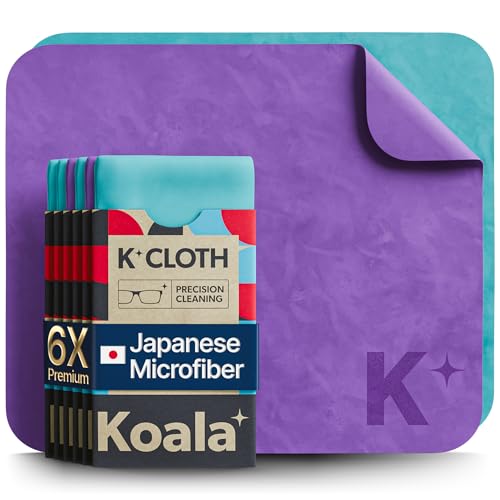
- Microfiber cleaning cloth for glasses lens cleaning
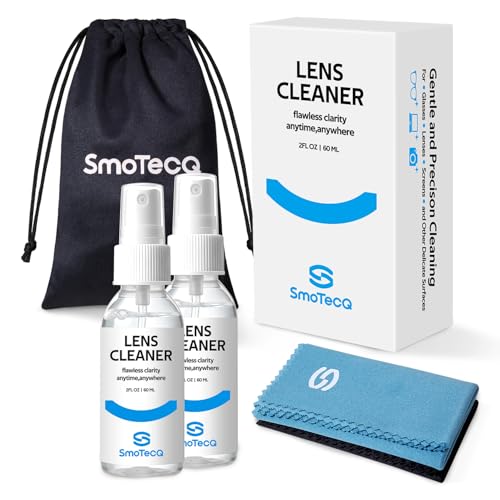
- Eyeglasses lens cleaning spray
- Pre-moistened lens wipes for glasses
- Antifog spray for eyeglasses and lenses
- Glasses cleaning kit microfiber cloth and spray
- Optional: soft lens-safe brush for dry dust removal

Before You Start
Before cleaning, rinse lenses with lukewarm water to reduce the risk of grinding grit into the surface. Avoid cleaning with hot water, household window cleaners, or paper towels, which can scratch or leave residues. Work in a well-lit area to spot streaks and smudges. Each cleaning session should take about 2–5 minutes depending on smudge severity.
Step-By-Step: How To Clean Smudges Off Glasses
- Gently rinse the lenses under lukewarm water to remove loose dust.
- Apply a small amount of eyeglasses lens cleaning spray or use pre-moistened lens wipes to the lenses.
- Wipe with a microfiber cleaning cloth for glasses lens cleaning, using light, circular motions from the center outward.
- If using anti-fog spray, apply according to the product directions and buff with the microfiber cloth.
- Inspect the lenses in bright light and repeat cleaning on any remaining smudges.
- For stubborn oily marks, repeat the spray-wipe cycle or switch to a dedicated anti-fog spray for a quick refresh.
- Clean the frame rims and nose pads with a light wipe to prevent transferring oils to the lenses.
- Dry lenses completely with a dry section of the microfiber cloth to avoid water spots.
- Store glasses in a protective case when not in use to minimize future smudges.
- If fogging is frequent, reapply the antifog spray at recommended intervals to maintain clarity.
- Keep a portable kit handy with a microfiber cloth and a small spray for on-the-go cleaning.
- Regular maintenance with a dedicated glasses cleaning kit reduces buildup over time.
Troubleshooting
| Symptom | Likely Cause | Fix | Prevention |
|---|---|---|---|
| Streaks after cleaning | Residue from spray or cloth | Switch to a fresh microfiber cloth and re-wipe with minimal liquid | Use only recommended lens cleaners |
| Persistent oily look | Oils from skin or hair | Apply a small amount of cleaner, then buff thoroughly | Clean hands before handling glasses |
| Scratches seen after cleaning | Rubbing with abrasive material | Switch to soft microfiber cloth; avoid paper products | Rinse prior to wiping; use lens-safe products |
| Lens fogging after cleaning | Residual cleaner or anti-fog depletion | Reapply antifog spray and buff | Follow product directions; avoid over-application |
Common Mistakes
- Using household cleaners or ammonia-based products on lenses
- Wiping with paper towels, tissues, or rough fabrics
- Cleaning dry lenses without rinsing away dust first
- Over-wetting lenses, which can leave streaks and seep under coatings
Sticking to dedicated lens care products and microfiber cloths minimizes coating damage and enhances longevity.
Tips For Best Results
- Store glasses in a soft pouch or case to reduce surface dust between cleanings.
- Use pre-moistened lens wipes for quick cleanings when on the go.
- Apply a light, even coat of antifog spray for eyeglasses and allow proper drying time for best results.
- Keep a dedicated cleaning kit in your bag or at your desk for consistent maintenance.
Call A Professional
If lenses become scratched, coatings show uneven wear, or the glasses no longer fit comfortably after cleaning, consider professional inspection from an optician or eyewear specialist. Seek help if cleaning results in persistent visual distortion or coating peeling, or if any frame components appear damaged.
FAQ
What is the best way to remove fingerprints from glasses?
Rinse with lukewarm water, apply a small amount of lens cleaner, then wipe with a microfiber cloth in gentle, circular motions.
Can I use any spray on all types of lenses?
Most sprays are designed for coated lenses; check the label to ensure compatibility with your lens type.
Are pre-moistened wipes safe for all coatings?
Yes, when they are specifically formulated for eyeglasses; avoid wipes with harsh chemicals.
How often should I clean my glasses?
Clean as needed to maintain clear vision, typically daily for contact-heavy environments or screens.
Buying Guide
When choosing cleaning products for glasses, consider size and convenience, compatibility with lens coatings, fragrance preferences, and long-term value. A practical kit often combines a microfiber cloth, a spray designed for coated lenses, and optional anti-fog spray for environments with temperature changes. Noise-free or scent-free options may appeal to sensitive users.
Key buying factors include:
- Size and portability: travel-sized kits fit in purses and desk drawers
- Lens coating compatibility: ensure sprays and wipes are safe for anti-reflective or scratch-resistant coatings
- Cleaning efficacy: look for products proven to remove oils without leaving residue
- Controls and safety: opt for spray bottles with controlled mist to prevent over-application
- Placement: store cleaning tools near the desk, in a bag, or in a dedicated glasses case
For most users, a glasses cleaning kit microfiber cloth and spray offers a balanced combination of ease, effectiveness, and protection for varied lens types.